
The Headliner as an Anchor
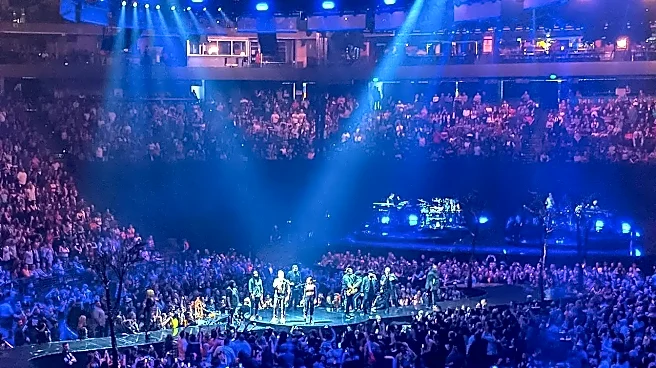
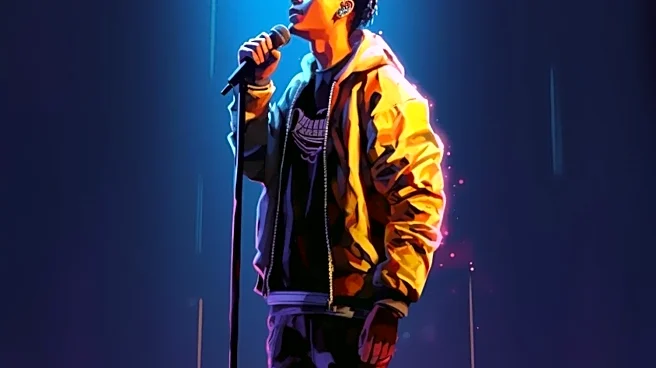
The names in the biggest font on the poster do more than just sell tickets; they are the festival's North Star. Headliners are often booked 12 to 18 months in advance, setting the entire tone and target demographic for the event. These are the anchor
tenants of the festival mall, drawing the primary crowd and dictating the general vibe. If a festival books a legendary rock band, a chart-topping pop star, and a top-tier DJ, they're not just throwing darts at a board. They're making a calculated decision to attract three distinct but potentially overlapping audiences. The rest of the lineup is then built around these pillars. Promoters spend a huge portion of their talent budget, often 40-60%, on these top-tier acts to create the gravitational pull needed to build a temporary city in a field.
The Undercard: Where the Real Curation Happens
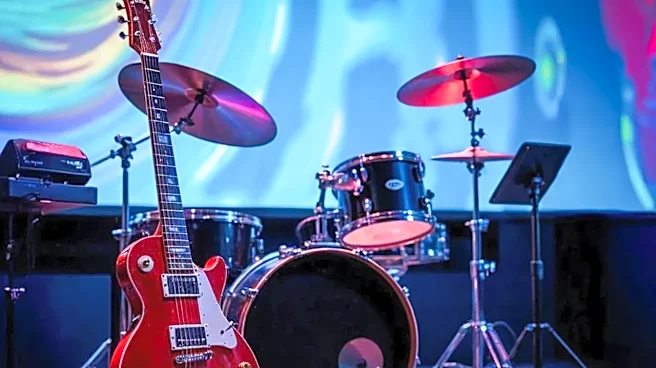
While headliners get the glory, the undercard—the dozens of artists in smaller fonts—is where a festival truly defines its identity. This is where bookers act as cultural curators, creating moments of discovery for attendees. The goal is to provide a rich, diverse experience that encourages exploration. Today's festival-goers have eclectic tastes, and the undercard is meant to reflect that. A great booking strategy might place a rising indie-pop act on one stage while a gritty blues-rock band plays on another, giving attendees a meaningful choice. This part of the lineup is less about pure ticket-selling power and more about creating a narrative for the weekend. It’s a chance to showcase emerging talent, satisfy niche genre fans, and prove the festival is culturally relevant and forward-thinking.
The Legacy Act and the Nostalgia Factor
Another key piece of the puzzle is the legacy act. This is often a beloved band from a previous generation, maybe on a reunion tour or simply a perennial favorite, that appeals to an older demographic. These bookings are brilliant for a few reasons. They create a multi-generational appeal, making it more likely that different age groups will attend together. They also provide a sense of familiarity and credibility. For someone on the fence about buying a ticket, seeing a band they've loved for 20 years can be the deciding factor. These acts serve as a bridge, connecting the festival's present to its cultural past and ensuring the experience feels grounded and not just chasing fleeting trends.
The Art of Scheduling and Flow
Booking the artists is only half the battle; scheduling them is an art form in itself. Promoters meticulously plan the daily schedule to create a specific energy flow. You don't want three high-energy EDM acts back-to-back on the same stage, as it can lead to audience burnout. Instead, they'll often alternate genres and tempos to create a journey. There's also the strategic element of counter-programming. If a massive pop headliner is on the main stage, a smaller stage might feature a hardcore band or a cult-favorite rapper, providing an alternative for those not in the main-stage crowd. This ensures a more organic flow of people around the festival grounds and minimizes moments where a large portion of the audience feels like there's nothing for them to see.
Beyond the Music: Crafting a Total Experience
Finally, a festival’s cohesive feel isn’t just about the music. Art installations, food vendors, and unique pop-up experiences are all part of the curatorial vision. These elements reinforce the festival's identity and theme. A festival that books experimental electronic artists might feature futuristic, interactive digital art. A folk and roots-oriented festival will likely have a more rustic, craft-focused aesthetic. This holistic approach ensures that from the moment an attendee walks through the gates, they are immersed in a consistent world. The music is the main event, but the supporting experiential elements are what transform a collection of concerts into a memorable, unified cultural event.