



The Core of the Conflict: Proportion
The disagreement over vests for tall people isn’t about the garment itself, but about a fundamental principle of style: proportion. A tall frame is often described as a long vertical line. The central question stylists grapple with is whether a vest helps
or hinders that line. Does it add sophisticated structure and break up the torso in a pleasing way, or does it awkwardly chop the body in half, making a long torso look unbalanced? The answer, it turns out, depends entirely on the specific vest and how it's worn.
The Case Against: The Dreaded 'Chopping' Effect
Stylists who caution tall individuals against vests are primarily concerned with visual balance. Their argument is that a vest, particularly one that is too short or has a high color contrast with the shirt underneath, can create a harsh horizontal line. This line can visually sever the torso, making it appear shorter and disproportionate to long legs. A cropped or standard-length vest can hit at an awkward spot, emphasizing the length of the lower body while making the upper body look stunted. This is especially true for vests that are bulky or unstructured, as they can add width without adding the vertical length needed to flatter a tall silhouette.
The Case For: The Power of a Vertical Line
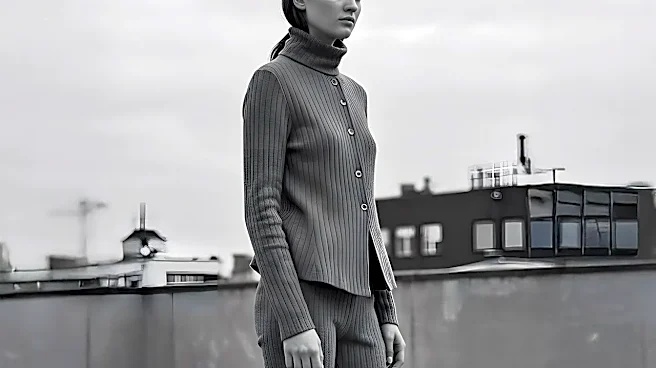
On the other side of the aisle, many stylists champion vests as a secret weapon for tall frames. They argue that the right vest does the opposite of chopping you in half—it enhances your height by adding a strong vertical element. An open, longline vest creates two parallel vertical lines down the front of the body, which draws the eye up and down, elongating the silhouette even further. A well-tailored vest can also add definition to the waist and structure to the shoulders, preventing a tall frame from looking lanky and instead making it look powerful and poised. For this camp, it's not about avoiding vests, but about choosing them wisely.
The Real Reason: It's All in the Details
So, the 'real reason' for the disagreement is that both sides are right, just under different circumstances. The debate isn't about 'vests' as a monolithic category; it's a nuanced conversation about three key details: length, fit, and color. A short, boxy, high-contrast vest will likely create the unflattering 'chopping' effect the naysayers warn about. However, a longline vest that hits at the hip or thigh, in a color that blends with the rest of the outfit (a monochromatic look), will create the elegant, elongating effect the proponents love. The fit is also crucial; a tailored vest that follows the body's lines will always look more polished than a bulky, shapeless one.
How to Make Vests Work for You
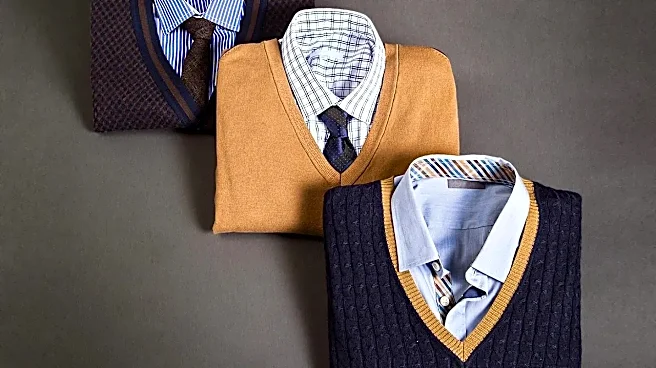
Armed with this knowledge, you can ignore the confusing blanket statements and start making vests work for your tall frame. First, prioritize length. Look for styles specifically labeled as 'longline' or those designed for tall proportions, which will ensure they don’t cut you off at an awkward point. Second, consider layering it as part of a monochromatic or tonal outfit to create an unbroken vertical column of color. Third, pay attention to the neckline; a V-neck vest can further elongate your upper body and create a very flattering silhouette. Finally, play with structure. A tailored vest worn as a top or layered over a simple shirt offers a sharp, modern look that celebrates, rather than fights, your height.