



The Anti-Lineup Philosophy
At most festivals, the lineup is everything. It’s the marketing tool, the status symbol, and the central organizing principle of the weekend. But Burning Man isn’t most festivals. It’s a temporary city built on a foundation of 10 Principles, including
decommodification and participation. An official, pre-announced lineup of paid performers would violate these core tenets. The event is not a concert to be consumed, but an experience to be co-created. The organization doesn't book talent like a typical promoter; instead, the entire musical landscape is a gift from the participants themselves. This means no headliners, no corporate-sponsored stages, and no guarantee you’ll see that DJ you love—which is precisely the point. The goal is to encourage discovery and presence, not to chase names on a poster.
How Music Actually Happens
So, if there are no official stages, where does the music come from? It’s everywhere. The soundscape of Black Rock City emerges organically from two primary sources: theme camps and mutant vehicles. Large-scale theme camps, some legendary in their own right like Opulent Temple or Root Society, build massive, elaborate sound systems and stages as their gift to the community. These can rival the production of major clubs. Then there are the mutant vehicles, or “art cars,” which are elaborate, often surreal vehicles modified to roam the open desert, many equipped with powerful sound systems of their own. Imagine a giant, fire-breathing octopus or a glowing ship sailing across the desert floor, each blasting a different genre of electronic music. Finding music isn't about checking a schedule; it's about following your ears, often on a bicycle, into the vast, dusty expanse.
The Thrill of Serendipity
The result of this structureless structure is an environment of pure serendipity. Your most memorable musical moment might not come from a world-famous DJ, but from stumbling upon a small camp where a lone cellist is playing to the sunrise. While many devoted fans create their own unofficial guides and schedules cobbled together from camp announcements, the true magic lies in letting go of the plan. It’s about biking toward a distant beat and discovering your new favorite artist playing for a crowd of 50 people on top of a metallic dragon. World-renowned DJs do attend and play multiple sets, but they do so unannounced, often at smaller camps or on art cars, simply for the love of it. This removes the hierarchy of the green room and the main stage, placing a Diplo or a Carl Cox on the same level as an unknown DJ from Boise.
A More Present Dance Floor
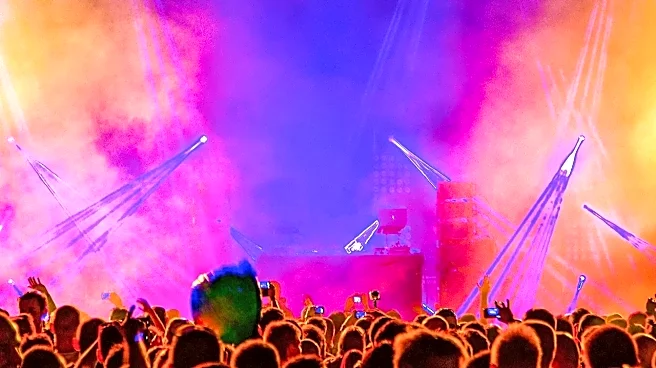
This approach fundamentally changes how attendees experience music. Instead of a passive audience watching a performer, the dance floor at Burning Man is a collective of active participants. The focus shifts from who is playing to what is happening in that exact moment. The lack of a schedule forces a state of “immediacy,” another of the 10 Principles, where being present is the main attraction. You’re not thinking about the next set you have to catch across the festival grounds. You are simply there. While the music is predominantly electronic, the participant-driven nature means you can find almost anything, from live jazz cafes and Russian gypsy bands to ambient sound baths and raucous piano bars. The symphony is created by the collective, not curated by a corporation, making for a deeply personal and unpredictable auditory journey.