





The Blueprint for Your Garment
Think of a pattern as the architect's blueprint for a piece of clothing. A pattern maker translates a 3D design concept into a series of flat, 2D shapes that, when assembled correctly, will create a garment that fits and drapes in a specific way. Every
line, curve, and notch is calculated to work with the properties of fabric and the contours of the human body. The grainline markings on a pattern piece are especially critical; they dictate how the fabric should be aligned with its lengthwise and crosswise threads to ensure stability and proper hang. Cutting a piece even slightly off-grain can cause twisting and sagging in the final garment. The precision of the cut is the foundation, but it's a foundation that can easily be undermined during construction.
Pressing Is Not Ironing
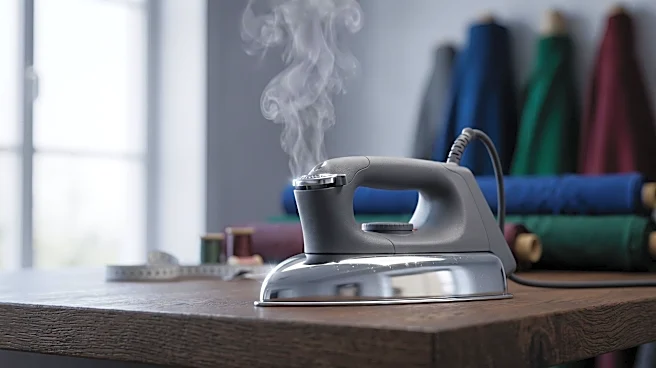
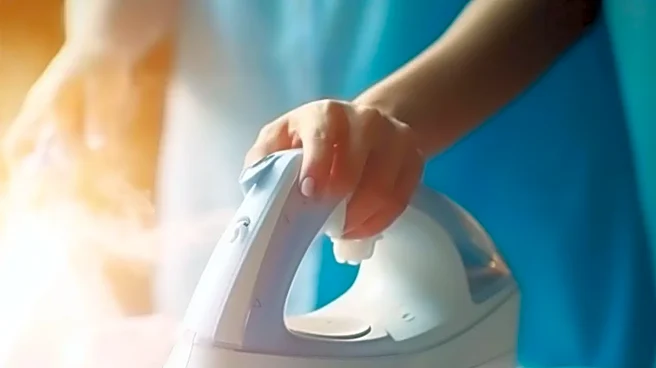
Let's clear up a common misconception: pressing and ironing are not the same thing. Ironing is the back-and-forth sliding motion you use to remove wrinkles from a shirt. In sewing, this motion can be disastrous, as it can easily stretch and distort fabric, especially on curves or bias-cut edges. Pressing, on the other hand, is an up-and-down motion. You lift the iron, place it down on the seam, apply heat and often steam, and then lift it again before moving to the next section. The purpose of pressing isn't just to flatten wrinkles; it's a construction technique. It serves to 'meld' the stitches into the fabric, shape curves like darts and sleeve caps, and set seams so they are crisp, flat, and bulk-free. Every press helps to mold the flat fabric pieces into the intended three-dimensional shape.
How a Lack of Pressing Causes Distortion
When you skip pressing, you invite distortion. An unpressed seam remains a puffy, raised line instead of lying flat. When you try to sew a new seam across it—say, attaching a waistband to a skirt with unpressed side seams—you're forcing the machine to sew over a lumpy, unstable area. This can cause the fabric to shift, leading to puckering, mismatched seams, and an inaccurate final shape. Fabric has a 'memory', and pressing sets that memory at each stage. Without it, seam allowances can fold the wrong way inside the garment, creating bulk. Darts won't properly contour over the body. A carefully cut sleeve cap that is meant to be eased into an armhole can become a puckered mess if the stitches aren't set and the curve isn't shaped with steam before it's sewn in. Ultimately, all the precision of the initial pattern cutting is lost, compromised by fabric that wasn't told what shape to hold.
The Golden Rule: Press As You Go
The most important habit for professional-looking results is to press at every step, not just at the end. The rule of thumb is to never cross a seam with another line of stitching before it has been pressed. This means you should:
1. Press your fabric before you even cut your pattern pieces to remove any wrinkles that could affect accuracy.
2. After sewing a seam, first press the stitches flat to set them into the fabric.
3. Then, press the seam allowances open or to one side, according to your pattern's instructions.
4. Use tools like a tailor's ham for curved areas like darts and collars, which helps shape them correctly.
5. Always use a pressing cloth for delicate or dark fabrics to prevent shine or heat damage.
By building these pressing habits, you ensure that each piece holds its intended shape, allowing you to assemble the garment with the accuracy the pattern maker intended.