

The Era of Exclusivity
Not so long ago, a fashion show was one of the most exclusive tickets in town, but not for the reasons you might think. Before the 2000s, these events were not designed for public consumption. They were highly controlled, private showings for a select
few. The guest list was tight and strategic, comprising two main groups: professional buyers from department stores and boutiques, and the top editors from influential print magazines. There were no celebrities paid to attend, no flocks of street-style photographers, and certainly no live streams. Photographers were often barred entirely to prevent designs from being copied before they could be produced. The atmosphere was hushed and serious. Models would walk in a relatively simple, unadorned salon setting, sometimes holding a number that corresponded to the look. The goal was straightforward: for buyers to see the clothes up close, feel the fabrics, and decide what to order for their stores for the upcoming season. It was a trade event, an appointment, a critical moment in the business of fashion, not a party.
The Power of the Gatekeepers
In this pre-internet world, the flow of fashion information was strictly top-down. A handful of powerful magazine editors and retail buyers acted as the ultimate gatekeepers. What they selected, promoted, and placed in their stores or on their glossy pages determined the trends for the entire world. A positive review in Vogue or a significant order from a major department store could make a designer's career. A snub could be devastating. The fashion show was their workplace. They sat front row, notebooks in hand, assessing the commercial viability and artistic merit of each piece. Their focus was entirely on the product. The shows were organized around their needs, held twice a year on a fixed schedule to facilitate the buying and production cycle. This created a deliberate, six-month lag between when a collection was shown and when it became available to the public, a rhythm that defined the industry for decades.
The Digital Disruption
The first cracks in this closed system appeared in the early 2000s with the rise of fashion bloggers. Armed with digital cameras and platforms like Blogspot, passionate fashion enthusiasts like Susie Bubble and Bryanboy began documenting their personal style and offering their own unfiltered opinions. Initially dismissed by the establishment, they built loyal followings who trusted their authentic, peer-to-peer perspective more than traditional advertisements. By the late 2000s, these digital upstarts were being invited to the very shows they once covered from the outside, famously sitting with laptops to file reviews in real time. This was a seismic shift. For the first time, people outside the formal industry had a voice and a front-row seat, democratizing fashion commentary and challenging the authority of the old guard.
The Instagram-ification of Everything
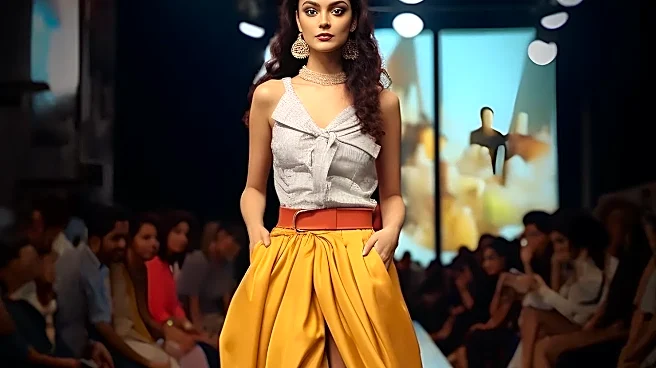
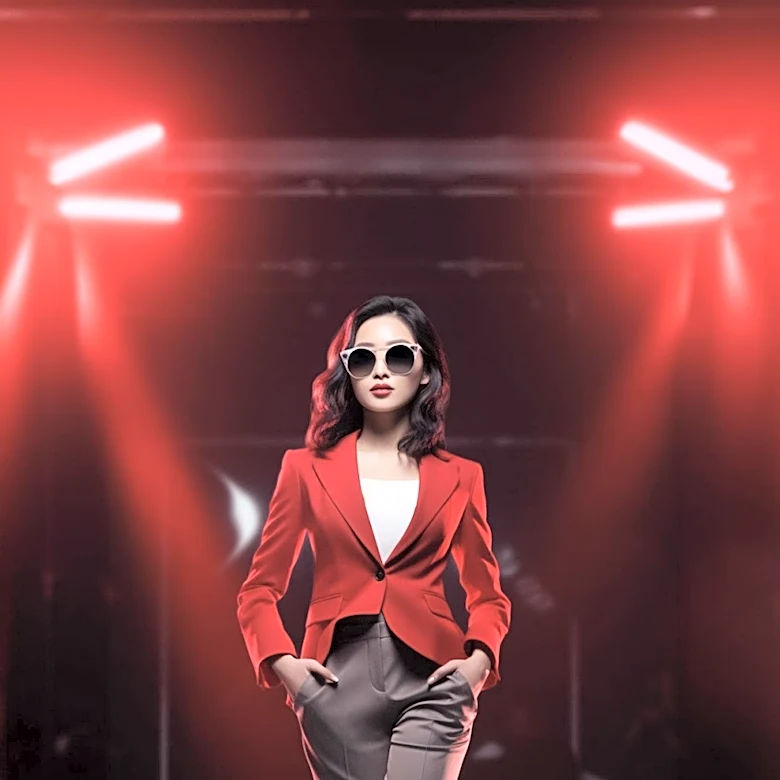
If bloggers cracked the door open, Instagram blew it off its hinges. Launched in 2010, the visual-first platform was perfectly suited to the world of fashion. Suddenly, the fashion show was no longer just about the clothes on the runway; it was about creating a viral “moment.” Designers began staging increasingly elaborate, theatrical spectacles with fantastical sets and A-list celebrity guests, all engineered to be captured and shared. The focus shifted from the industry insiders in the room to the millions watching on their phones. The front row transformed from a place for quiet work into a stage for influencers and brand ambassadors. The event became a powerful, real-time marketing tool, turning what was once a B2B appointment into a massive B2C entertainment event. The six-month trend cycle collapsed as consumers saw new collections instantly and wanted them immediately, giving rise to the "see now, buy now" model.