

The Science Behind the Chill
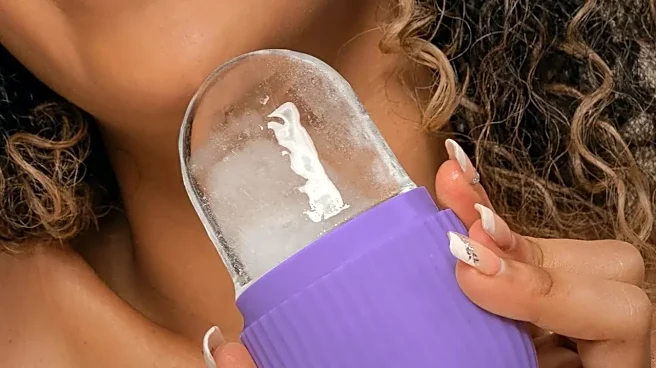
The magic of ice rolling comes down to a simple process called vasoconstriction. When you apply the cold roller to your skin, it causes the blood vessels near the surface to temporarily narrow. This action reduces blood flow, which in turn decreases swelling,
redness, and inflammation. It’s the same reason you put ice on a sprained ankle. As your skin warms up again, blood flow increases, delivering a fresh rush of oxygen and nutrients that can leave your complexion looking brighter and more refreshed. The gentle massage also helps with lymphatic drainage, pushing away excess fluid that causes puffiness. All these effects, however, are temporary.
The Ideal Candidate: Puffy or Oily Skin
If you often wake up with a puffy face, especially around the eyes, an ice roller might become your best friend. The vasoconstriction and lymphatic drainage work together to quickly reduce that morning swelling caused by fluid retention from a salty meal or a poor night's sleep. For those with oily skin, ice rolling can offer a temporary tightening effect, making pores appear smaller and reducing overall oiliness for a short time. The cooling sensation provides an instantly refreshed and toned feeling, creating a smoother canvas for makeup application.
A Mixed Bag: Acne-Prone Skin
When it comes to acne, the answer is more complex. Ice rolling can be beneficial for inflammatory acne—the red, swollen pimples—by calming the inflammation and soothing tenderness. It offers a gentle way to reduce redness without the harshness of some spot treatments. However, it’s not a cure and won't do much for non-inflammatory acne like blackheads. Furthermore, it’s crucial to keep your roller meticulously clean to avoid spreading bacteria, which could worsen breakouts. Never roll over active or open pustules, as the pressure might cause further irritation.
Proceed with Caution: Sensitive and Rosacea-Prone Skin
Here’s where ice rolling can go wrong. For people with highly sensitive skin, the extreme cold can be too aggressive, leading to increased redness and irritation. Those with rosacea, a condition characterized by facial redness and visible blood vessels, should be particularly wary. While some find the cooling effect provides temporary relief from a hot flare-up, dermatologists often caution against it, as the rapid temperature change can trigger a flush and potentially worsen redness over time. The intense cold may also lead to broken capillaries in delicate or reactive skin.
How to Roll the Right Way
If you decide ice rolling is right for your skin type, a few simple rules will ensure you get the benefits without the risks. First, always use the roller on clean skin. Never hold it in one spot for too long; keep it moving in gentle, outward and upward strokes for about one to two minutes per area. Don't press too hard, as light pressure is sufficient. Some experts recommend applying a serum first to provide a barrier and help the roller glide. And most importantly, listen to your skin. If you experience discomfort or increased redness, it’s a sign to stop. Clean your roller after every use to prevent bacteria buildup.