
More Than Just a Flashback
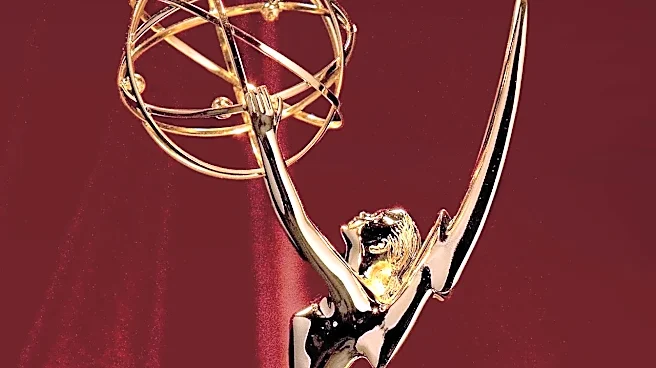
In the hands of a gifted editor, archival material is so much more than a grainy establishing shot or a quick cut to a historical photo. It's a storytelling weapon. This is the central idea that Emmy voters are increasingly rewarding in categories like
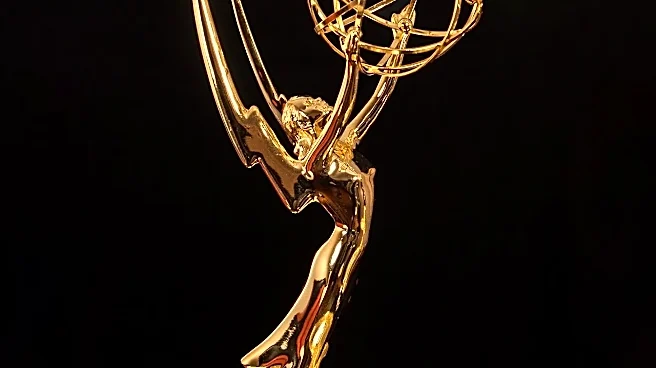
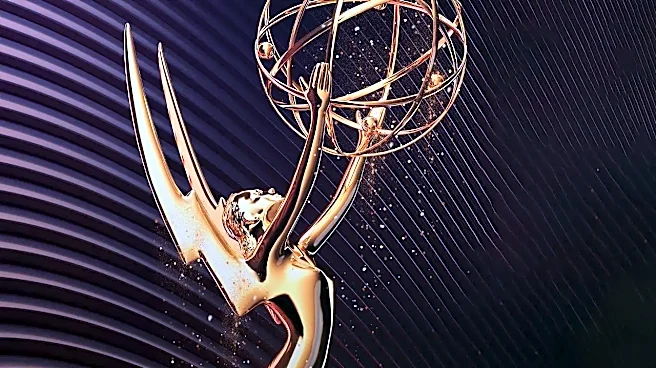
Outstanding Picture Editing for a Nonfiction Program. Filmmakers are no longer just using archives as wallpaper to cover narration; they are treating found footage as a character, a piece of evidence, or the key to unlocking a story’s emotional core. Recent winners and nominees demonstrate this shift powerfully. For instance, the team behind "Sean Combs: The Reckoning" took home the 2026 Emmy for its editing, a testament to how weaving together decades of public and private media can construct a complex, compelling narrative. The artistry lies in turning historical artifacts into present-tense drama.
The Art of the Digital Detective
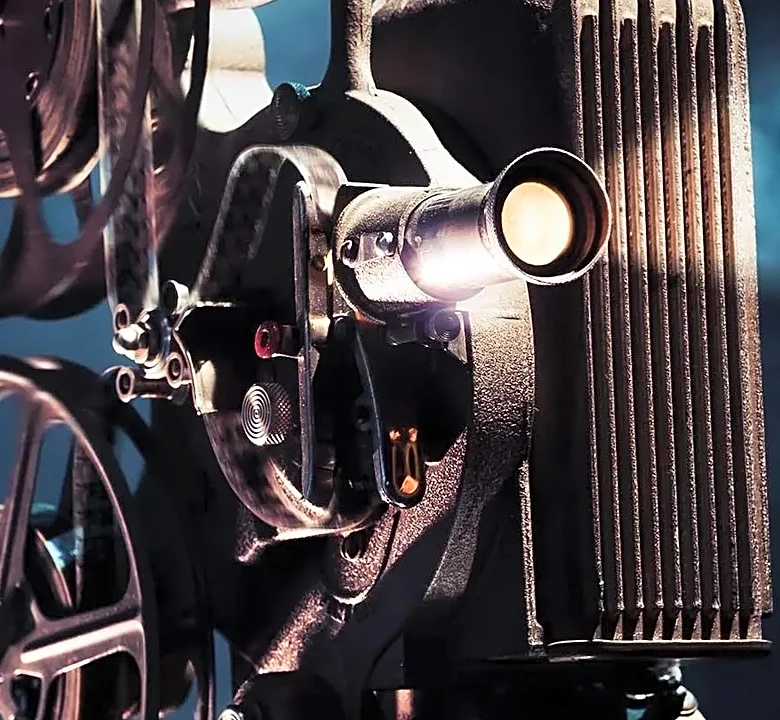
The process often begins with a treasure hunt. Producers and researchers spend months, sometimes years, digging through news station basements, university collections, and personal family attics. They’re searching for the reel of film or the shoebox of photos that no one has seen in 50 years. Finding it is only the first step. That footage then undergoes a meticulous restoration process. It might be scanned at high resolution, stabilized to remove camera shake, and painstakingly color-corrected. Audio is cleaned up, removing hisses and pops to reveal the true sound of a moment. This technical work isn't just about making old clips look better; it’s about making them feel vital and immediate to a modern audience accustomed to pristine high-definition, allowing the footage to connect on an emotional level that degraded material might not achieve.
Editing as an Act of Argument
This is where the footage truly becomes a weapon. The most celebrated documentaries use editing to create new meaning through juxtaposition. Imagine a film about a beloved public figure, like the nominated specials on Mel Brooks or John Candy. An editor might place a clip of a polished, on-air interview from the 1980s directly against newly unearthed, raw audio of them speaking candidly backstage. That contrast—between the public persona and the private reality—creates a powerful argument without a narrator having to say a word. It’s an act of re-contextualization. By adding a modern score to silent footage or cutting rhythmically between a historical event and a contemporary interview reflecting on it, editors guide the audience's interpretation and build a specific emotional arc. They are not merely assembling history; they are shaping it into a thesis.
Why Grain and Flicker Feel So Real
In an age of deepfakes and glossy, over-produced content, authenticity has become the ultimate currency. The imperfections of archival footage—the film grain, the washed-out color, the slight flicker—are signals of truth to a viewer. Our brains are conditioned to see these textures as genuine and unmediated. This creates an intimacy and immediacy that is difficult to replicate with a modern camera. It collapses time, transporting the audience directly into the moment. A documentary can tell you about a historical event, but showing you the raw footage makes you feel like a witness. This visceral connection is what transforms a history lesson into a profound human experience, and it’s a key reason why mastering the art of the archive has become such a celebrated skill in nonfiction storytelling.