



Before streaming queues and prestige TV, holiday viewing was an event. And for Thanksgiving, two animated specials, born from the newspaper funnies, became unlikely twin pillars of the season: one sincere, the other cynical.
The Awkward Sincerity of 'A Charlie Brown Thanksgiving'
First broadcast in 1973, 'A
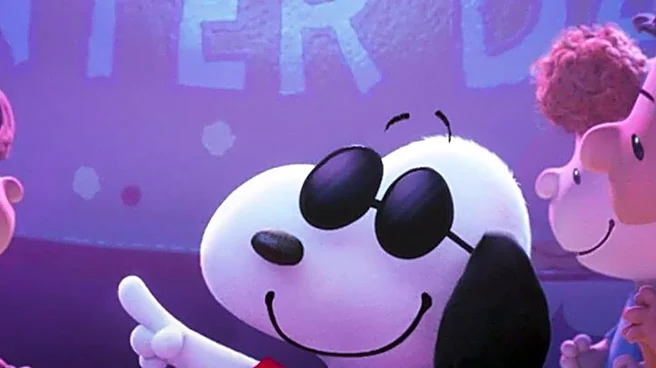
Charlie Brown Thanksgiving' arrived as the third major 'Peanuts' holiday special, following its now-legendary Christmas and Halloween predecessors. Like the others, it was guided by creator Charles M. Schulz’s unique blend of childhood angst and gentle humanism. The plot is classic Charlie Brown: pressured by the assertive Peppermint Patty, he reluctantly agrees to host a Thanksgiving dinner he can't possibly cook. What follows is not a grand feast but a backyard meal of toast, jelly beans, popcorn, and pretzel sticks, served by Snoopy and Woodstock on a ping-pong table. The special captures the core of Schulz's worldview: life is often a series of well-intentioned fumbles. The humor isn't in punchlines but in the relatable awkwardness of social obligation and the melancholy of a holiday that doesn’t quite live up to expectations. Yet, through its heartfelt conclusion where friendship triumphs over culinary disaster, it delivers a message of gratitude that has resonated for half a century.
The Gluttonous Rebellion of 'Garfield's Thanksgiving'
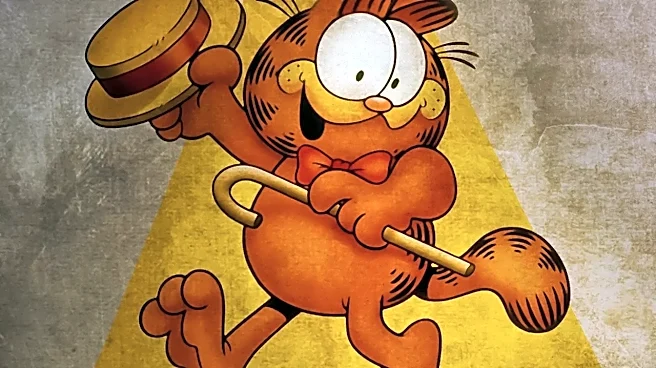
Sixteen years later, in 1989, a different kind of Thanksgiving special hit the airwaves, starring a character who couldn't be more different from the perpetually worried Charlie Brown. 'Garfield's Thanksgiving' was a perfect vehicle for America’s favorite fat cat. Created by Jim Davis, Garfield’s humor was sharper, more contemporary, and rooted in cynical observation and slapstick. The special’s plot is a masterclass in Garfield’s core motivations: food and defiance. After a trip to the vet results in a forced diet right before the biggest food holiday of the year, Garfield’s world is thrown into chaos. While his owner, Jon Arbuckle, fumbles through a disastrous attempt to cook a Thanksgiving meal to impress Dr. Liz Wilson, Garfield’s only concern is his own empty stomach. The humor comes from his gluttonous desperation and witty, fourth-wall-breaking commentary, voiced perfectly by Lorenzo Music. It's a story not about the spirit of giving, but the spirit of getting—specifically, getting a full plate of turkey.
Two Recipes for Holiday Humor
Placing these two specials side-by-side reveals two distinct philosophies of comedy that both found a massive audience. 'A Charlie Brown Thanksgiving' is a product of post-war earnestness. Its humor is observational and character-driven, exploring themes of friendship, inadequacy, and the quiet search for meaning. Schulz famously drew from his own feelings of alienation and insecurity, giving his characters a depth that felt both real and poignant. 'Garfield's Thanksgiving,' on the other hand, is a creature of the '80s. Jim Davis designed Garfield to be a universally relatable and marketable character, focusing on the primal, simple joys of eating and sleeping. His humor is broader, more physical, and steeped in a modern cynicism about things like diets and Mondays. Charlie Brown worries about letting his friends down; Garfield worries about missing a meal. Both are valid Thanksgiving anxieties, just from different ends of the emotional spectrum. One special asks us to be thankful for togetherness, the other for a well-stocked fridge.
An Enduring Place at the Table
Despite their differences, both specials became annual viewing traditions because they tap into fundamental, albeit contrasting, truths about the holiday. Thanksgiving is a day of gratitude and community, but it's also a day of stress, culinary pressure, and indulgence. 'Peanuts' offers a comforting reminder that things don’t have to be perfect to be meaningful. The makeshift meal of buttered toast becomes a symbol of friendship being more important than tradition. 'Garfield' offers a cathartic laugh at the absurdity of it all—the cooking disasters, the family dynamics, and the sheer gluttony of the day. It validates the part of us that just wants to kick back and eat. Together, they formed a perfect pair for holiday television, providing a balanced diet of heartfelt sentiment and sarcastic wit that mirrored the complex reality of an American Thanksgiving.