





The Myth: A Soccer Lottery
It’s a familiar sight: a high, looping ball is sent into a penalty box crowded with 15-plus players. What follows is a frantic scramble of shoves, jumps, and flailing limbs. A goal might come from a thumping header, a scrambled-in tap-in, or a disastrous
own goal. To the casual observer, it looks like pure, unadulterated chaos. The common wisdom is that set pieces are a game of pinball. The kicker just has to 'put it in a good area' and hope for a lucky bounce or a moment of individual brilliance. This view treats set pieces as a break in the tactical flow of the game—a roll of the dice rather than a calculated play.
Fact: Every Movement is Choreographed
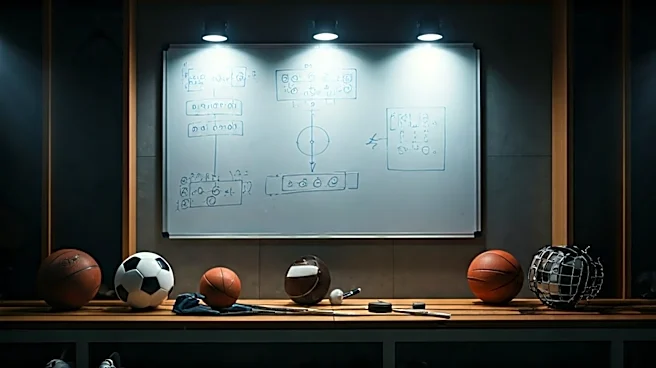
Contrary to the 'lump it in the box' theory, elite set pieces are as choreographed as a play in the NFL. Players aren't just running aimlessly; they are executing highly specific roles and routes. Watch closely, and you'll see intricate movements designed to create space and confusion. Some teams use 'screens' or 'picks'—much like in basketball—where one attacker blocks a defender to free up a teammate. Others use 'dummy runs' to draw defenders away from a target zone. The delivery itself is also precise. Kickers aren't just aiming for a general area; they are targeting specific zones, like the near post for a flick-on header or the back post for a taller player to attack. The goal is to create a high-percentage opportunity by disrupting the defensive structure before the ball even arrives.
Fact: The Rise of the Specialist Coach
If set pieces were just luck, teams wouldn't invest hundreds of thousands of dollars in specialist coaches. Yet, that's exactly what's happening across elite soccer. Figures like Nicolas Jover (Arsenal) and the legendary Gianni Vio (formerly of Italy's national team and Tottenham Hotspur) have become minor celebrities in the coaching world. Their entire job is to analyze opponents, design routines, and drill the players relentlessly. Vio, famous for his reported 4,830 unique routines, helped Italy win the 2020 Euros with a distinct advantage from dead-ball situations. When a team suddenly improves its set-piece conversion rate after hiring one of these specialists, it’s not a coincidence. It's proof that this is a dedicated, teachable skill—a clear domain of competitive advantage.
Fact: Data Dictates the Design
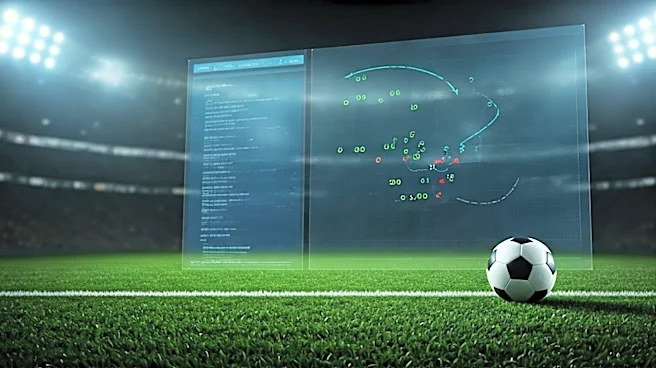
Modern soccer runs on data, and set pieces are a prime area for analytical exploitation. Coaches and analysts pour over video and statistics to identify an opponent's weaknesses. Do they use zonal marking, man-to-man, or a hybrid system? Is their goalkeeper reluctant to leave his line? Is there a specific player who is weak in the air? This information directly informs the play design. For example, if a team defends with a strict zonal system, attackers might try to 'overload' one zone with multiple runners. If a goalkeeper is known to be shaky under pressure, routines will be designed to deliver the ball right on top of him in the six-yard box. This data-driven approach turns what looks like a random scrum into a surgical strike on a pre-identified weak point.
Fact: Repetition Breeds Precision
No amount of brilliant design matters if the players can't execute it under pressure. That’s why practice is paramount. Top teams spend significant portions of their training week walking through and running set-piece routines. The kicker practices hitting the same spot over and over again. The attackers rehearse their runs, their blocks, and their timing until it becomes second nature. This relentless repetition builds the muscle memory and understanding needed to pull off a complex play in a split second during a match. When you see a perfectly executed corner-kick goal, you’re not witnessing a stroke of luck; you’re seeing the result of hours of tedious, behind-the-scenes work on the training ground.