

What Exactly Is Blocking?
Think of a director as a storyteller who uses actors and a camera instead of words. Blocking is how they decide where actors stand, where they move, and how they relate to each other and their environment in a scene. It’s the choreography of performance.
Is a character standing tall and centered to show dominance? Are two people huddled close together to signal intimacy or conspiracy? Are they separated by a wide, empty room to emphasize their emotional distance? Every movement, or lack thereof, is a deliberate choice designed to guide your eye and tell you something without a single line of dialogue. It’s what makes a scene feel tense, funny, or heartbreaking, often on a subconscious level. It's the director's way of making sure you’re looking at exactly what matters most in any given moment.
Case Study: The Tension of 'Slow Horses'
Saul Metzstein earned a 2026 directing nomination for the Apple TV+ drama "Slow Horses," a series that thrives on paranoia and simmering tension. The show’s blocking is a masterclass in communicating power dynamics and confinement. Characters are often framed in doorways, behind reflective surfaces, or at opposite ends of cramped, cluttered offices. This isn't just for aesthetics; it's to create a constant feeling of being watched or trapped. In the nominated episode "Scars," notice how characters rarely face each other directly in moments of conflict. They speak over their shoulders or are separated by furniture, forcing the audience's perspective to shift uncomfortably. Metzstein uses blocking to make the viewer feel like a spy, leaning in to catch a whispered threat or a suspicious glance. The physical space between bodies becomes as important as the dialogue itself, creating a palpable sense of distrust.
Case Study: The Comedy Chaos of 'The Bear'
On the comedy side, Christopher Storer's directing nomination for FX's "The Bear" showcases how blocking can generate both anxiety and humor, often simultaneously. The show is famous for its chaotic kitchen scenes, which look like uncontrolled mayhem but are actually meticulously blocked. In the episode "Bears," Storer orchestrates a symphony of movement. Characters pivot, collide, and narrowly miss each other in a confined space. This controlled chaos does two things: it creates a visceral, stressful energy that puts you right in the kitchen, and it sets up brilliant physical comedy. A simple turn to grab a pan can interrupt a crucial conversation, or two characters can be forced into uncomfortably close proximity, heightening their personal drama. It’s a ballet of burns and banter, where every step is planned to make the audience feel the pressure and laugh at the absurdity of it all.
The Silent Language of the Lens
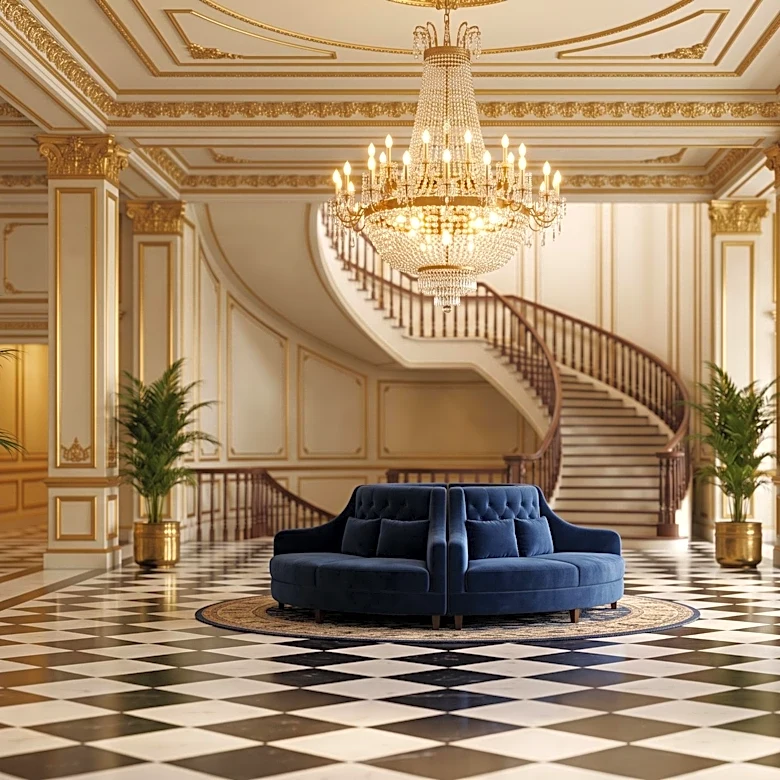
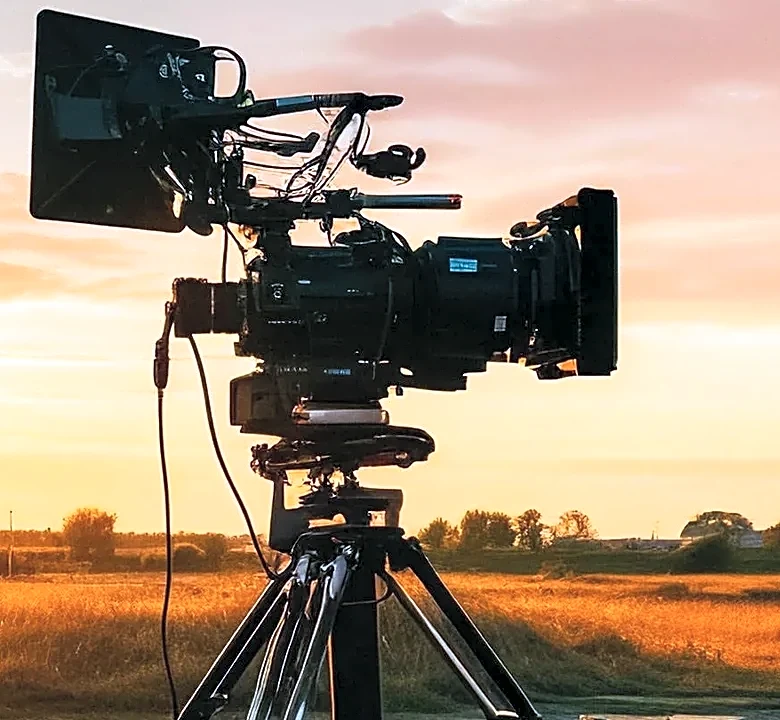
Ultimately, blocking isn't just about where the actors go; it's about where the camera is. A director's choices are a duet between the performers and the lens. For his nominated work on the new sci-fi drama "Pluribus," veteran director Vince Gilligan often places the camera at a low angle, forcing characters to tower over the viewer, creating a sense of unease and authority. In contrast, Lucia Aniello, a nominee for the final season of "Hacks," frequently uses wider shots where two characters are on opposite sides of a luxurious, empty room, visually screaming about the emotional gulf between them. These choices turn the physical environment into a character in its own right. The distance between people, the objects that separate them, and the angle from which we view them all combine to build the emotional foundation of the scene before a single word is spoken.