



More Than Just Glitter
When we think of 70s disco makeup, our minds often jump to shimmering eyeshadow, dramatic lashes, and high-shine lips. While those elements are essential, the true foundation of the look was a radiant, almost sweaty-looking skin finish. Unlike today's
matte or subtly contoured faces, the goal was a vibrant, lit-from-within glow that looked incredible under the flashing lights of a nightclub. The look was a celebration of life and movement, and the makeup was designed to match that energy. It wasn't about hiding imperfections but about creating a luminous canvas that felt alive and expressive. This philosophy stood in contrast to the heavier, more structured makeup of the previous decade.
The Mistake Most People Make Today
Recreating the 70s disco vibe often goes wrong at the very first step. Many modern attempts pile on glitter eyeshadow and spidery lashes while starting with a contemporary, often matte or semi-matte, foundation. They might use today's contouring methods, carving out cheekbones with matte brown shades. This creates a disconnect. The authentic disco look wasn't about sharp, sculpted lines; it was about soft, warm, sun-kissed definition. The spirit of 70s makeup was less about precise geometry and more about an all-over, seamless radiance. Forgoing the signature glowing base and blush technique means you're only capturing a fraction of the era's glamour.
The Hidden Step: Strategic Sheen and Blush Draping
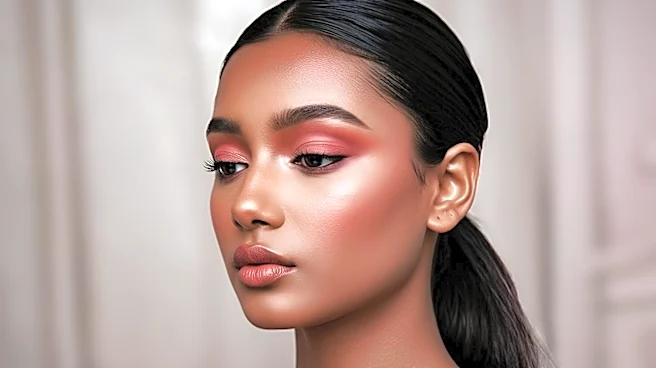
Here's the secret: the magic began with the base and the blush. Before foundation, many would apply a pearlescent cream or even a light facial oil to create an underlying sheen. Then, a dewy, light-coverage foundation was applied to even out the skin tone without masking that glow. But the real game-changer was a technique called “draping.” Instead of applying blush just to the apples of the cheeks, it was swept from the temples down onto the cheekbones in a 'C' shape. The blush itself was often a satin or shimmer formula in shades of rose, berry, or bronze. This method did two things: it lifted the face and seamlessly blended the cheek color with the highlighter and eyeshadow, creating a unified, radiant glow rather than distinct sections of color. This was the era’s version of contouring, using color and light instead of shadow.
Building the Rest of the Look
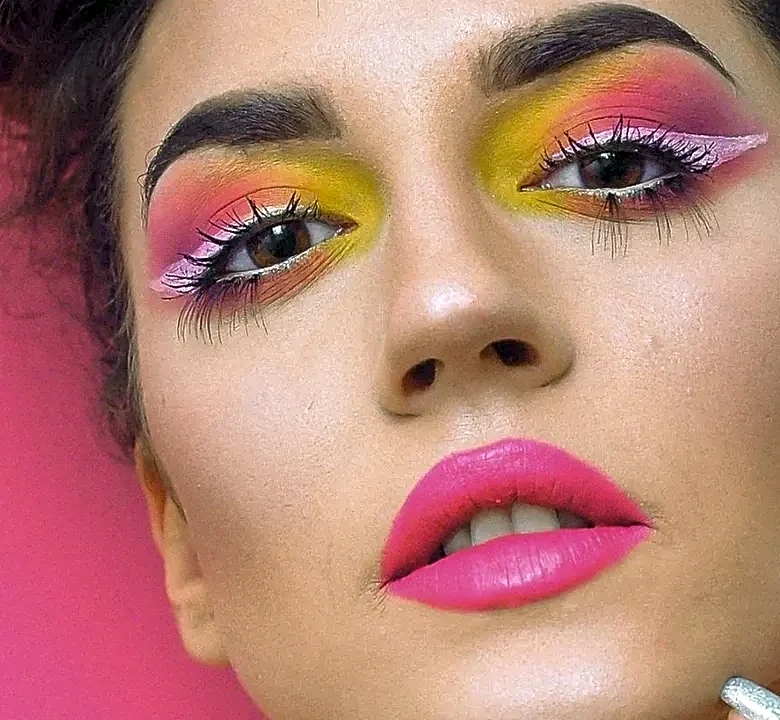
Once you've mastered the glowing base and draped blush, the rest of the look falls into place. The eyes were the other main focus. Shimmery or frosted eyeshadows in blues, greens, silvers, or golds were swept across the lid and often extended up toward the brow bone. A dramatic winged liner was common, as were heavy coats of mascara on both the top and bottom lashes to create a wide-eyed, doll-like effect. Lips were kept glossy and often in nude, peach, or coral tones, providing a shiny finish without competing with the bold eyes. The high-shine gloss complemented the dewy skin, completing a look that was cohesive from forehead to chin.