



A Quick Guide to the Premium Upgrades
Before you can decide, you need to know what you’re actually paying for. Think of it like this: IMAX is all about scale. Its massive screen and unique aspect ratio can show up to 26% more of the picture, creating an immersive visual experience. Dolby
Cinema, on the other hand, is the audio-visual perfectionist. It boasts superior contrast with Dolby Vision's true blacks and incredibly precise, object-based Dolby Atmos sound that can place a creepy whisper right behind your ear. Then there's 4DX, the theme park ride of cinema. With motion seats, wind, water, and even scent effects, it turns the movie into a physical experience. Each format offers a distinct advantage, but none are universally perfect for every type of scare.
For Massive Monsters and Apocalyptic Scale: Go IMAX
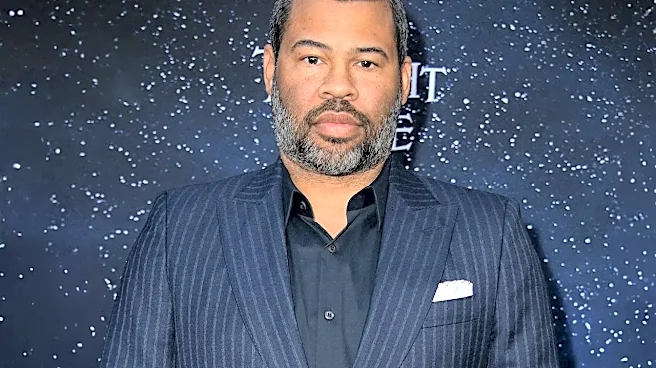
If your chosen horror film features giant creatures, widespread destruction, or vast, terrifying landscapes, IMAX is your best bet. Films with grand visual scope are what the format was made for. Think of a movie like this fall's creature feature 'Beware Boiúna,' about a giant snake awakened in the Amazon. The sheer size of the monster filling a seven-story screen is a spectacle a standard theater just can't match. Similarly, cosmic horror or films shot with IMAX cameras, like Jordan Peele's 'Nope,' gain a sense of overwhelming scale that enhances the terror. The expanded aspect ratio makes you feel small and helpless, which is exactly the point.
For Ghosts, Jump Scares, and Atmosphere: Pick Dolby Cinema
When a horror movie relies on what goes bump in the night, sound design is king. This is where Dolby Cinema shines. Its Atmos sound system can place individual sounds anywhere in the theater, including overhead. For a haunted house film like 'Never After Dark' or the psychological dread of 'Other Mommy,' the experience is transformative. A floorboard creaking above you, a faint whisper from the corner of the room, or the sudden silence before a jump scare feels palpably real. Combined with Dolby Vision's perfect blacks, which ensure shadows are truly dark and not a murky grey, it creates an unparalleled sense of tension and immersion for atmospheric horror. You're not just watching the haunting; you're in the house with it.
For Gory Slashers and Over-the-Top Fun: Try 4DX
Let’s be honest: sometimes you want your horror movie to feel like a roller coaster. For that, there's 4DX. It's an experience that is anything but subtle. The motion-synchronized seats will jolt you during a chase scene, you might feel a puff of air on your neck as a killer lurks, or even a spray of mist during a particularly gory moment. This format is perfect for films that don't take themselves too seriously, like a high-octane zombie movie such as 'Resident Evil' or a fun slasher with lots of action. It’s a gimmick, but it can be an incredibly fun one, turning a passive viewing into an interactive ride. It’s less about refined terror and more about gleeful, physical chaos.
When to Save Your Money and Stick with Standard
Not every horror film benefits from a premium ticket. In fact, some are actively worse for it. Slow-burn, character-driven horror and many independent psychological thrillers rely on intimacy, subtle performances, and quiet dread. For these films, the overwhelming scale of IMAX can be distracting, and the physical jolts of 4DX can completely shatter the carefully built tension. Found-footage films like 'The Influencer Project' are another example where a standard, no-frills presentation often serves the story's raw, realistic aesthetic best. If the horror comes from a conversation, a lingering look, or a dawning realization rather than a spectacle, save your cash. The standard format is more than enough to let the story do its terrifying work.