








It’s a Peer Review, Not a Popularity Contest
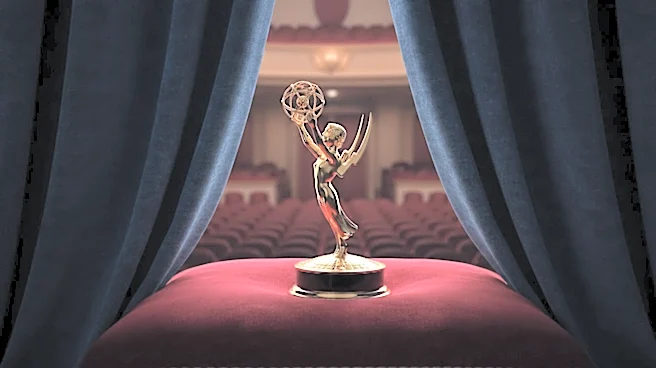
The first thing to understand is that the Emmys are not the People’s Choice Awards. They aren’t designed to measure what’s most popular with the general public. Instead, the Emmy Awards are a form of peer recognition. The Television Academy has more than
27,000 members, all of whom are industry professionals. They are divided into 31 "peer groups" representing their specific craft—actors, directors, writers, costume designers, and so on. When it comes time to nominate, these groups largely vote for their own. Actors vote for acting categories, directors for directing, and everyone gets to vote for the big program categories like Outstanding Drama or Comedy Series. The goal is to award what they see as the pinnacle of artistic and technical achievement, which can be very different from what draws the most eyeballs.
The Voters Are Not Like Us
While you might unwind with a high-octane network procedural or a comfortable sitcom, an Academy voter might be watching television with a different lens. They are analyzing the cinematography, the nuance of a performance, the originality of the script, or the complexity of the sound design. Their viewing habits are often geared toward the niche, critically-acclaimed shows their colleagues are buzzing about. With hundreds of scripted series released each year, voters simply can't watch everything. They are more likely to gravitate toward shows that are already part of the industry conversation, which often means prestige cable and streaming series, rather than broadcast shows with massive but less-discussed viewership.
The Power of the Campaign
You can’t win if voters don't see your show, and that’s where money comes in. Studios and networks mount elaborate and expensive "For Your Consideration" (FYC) campaigns. These are essentially targeted marketing efforts aimed directly at Academy members. They include everything from glossy ads in trade publications like Variety and The Hollywood Reporter to exclusive screening events, Q&A panels with the cast and creators, and, until recently, sending physical DVD screeners directly to voters' homes. A network like HBO or a streamer with a deep awards budget can spend millions to ensure their top contenders are front-and-center in voters' minds. A popular but less-funded show on a smaller network can easily get lost in the noise, no matter how many people tune in each week.
The 'Prestige' Factor and Genre Bias
There's also an undeniable, if unwritten, hierarchy of television. Certain networks and platforms have cultivated a reputation for producing "prestige TV," and that halo effect can be powerful. A dark, complex drama on a premium cable channel is often perceived as inherently more awards-worthy than a multi-camera sitcom on a broadcast network, even if the sitcom is brilliantly written and performed. Furthermore, the Academy has historically shown a bias against certain genres, particularly science fiction and broad comedies. While these shows might command huge, passionate fanbases and high ratings, they are often relegated to technical categories, struggling to break into the major acting or series races. This creates a built-in advantage for dramas and limited series that fit a more traditional awards mold, leaving many popular hits on the outside looking in.