


From Leftover to Luxury
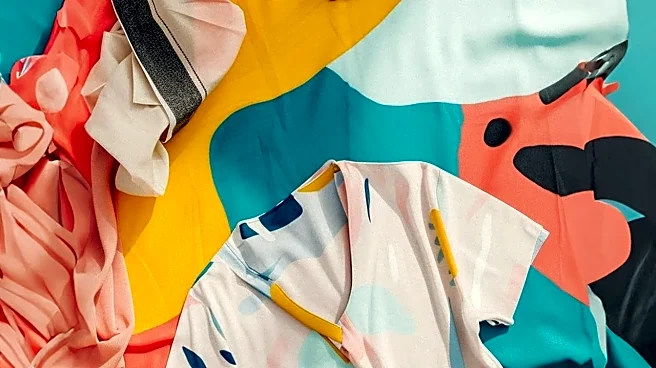
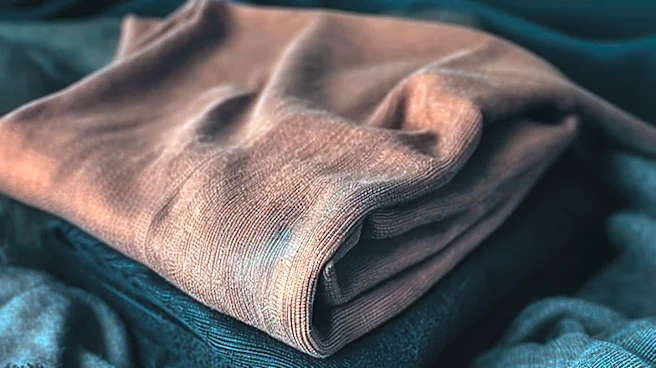
First, let's clear up what deadstock actually is. In simple terms, it's leftover fabric that wasn't used for its original purpose. This isn't just a pile of scraps. It can be entire rolls of high-quality textiles from a mill that produced too much, fabric from a canceled
order, or materials a major brand decided not to use in their last collection. Historically, these perfectly good materials would often end up in a landfill. Now, a new generation of designers sees them as a treasure trove of untapped potential, rescuing them before they become waste.
Fashion's Billion-Dollar Waste Problem
The turn to deadstock isn't just a quirky trend; it's a response to a massive environmental crisis. The fashion industry generates a staggering amount of textile waste annually, with estimates ranging from 92 to 120 million tonnes. To put that in perspective, it's like a garbage truck full of clothes and textiles being dumped in a landfill every single second. Less than 1% of clothing is ever recycled into new garments, making the reuse of existing materials a critical and immediate way to reduce fashion's footprint without waiting for recycling technology to scale. Using deadstock diverts this waste and reduces the demand for new fabric production, which in turn saves water, energy, and cuts down on carbon emissions.
A Catalyst for Creativity
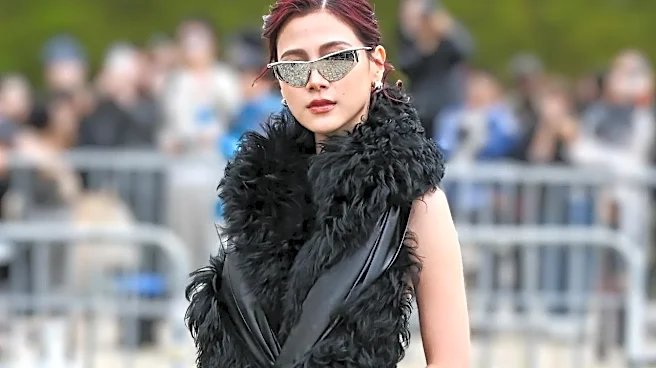
For designers, working with deadstock is more than just an ethical choice—it's a creative one. The finite nature of the material forces a different kind of design process. A designer can't just order more of a specific fabric; they have to work with the limited amount they have. This constraint breeds innovation, leading to unique silhouettes and problem-solving. At this September's New York Fashion Week, several designers have put this philosophy on full display. Conner Ives, for example, made his official NYFW debut with a collection built entirely from vintage and deadstock materials, proving sustainability can be structurally and aesthetically powerful. Brands like Collina Strada and Zoe Gustavia Anna Whalen also champion the use of upcycled and leftover textiles, making it a core part of their brand identity.
The New Exclusivity
In the world of fashion, scarcity creates desire. Because deadstock fabrics are available in limited quantities, the collections made from them are inherently exclusive. A brand might only be able to produce 50 dresses in a certain print, turning them into instant collector's items. This is a powerful marketing tool that appeals to a growing number of consumers who value uniqueness and responsible production. It allows smaller brands to create high-quality, limited-edition pieces without the massive financial risk of ordering huge quantities of custom fabric. This approach shifts the narrative from mass production to mindful creation, where the story behind the material is as important as the design itself.