




Feathers Take Flight in New Orleans
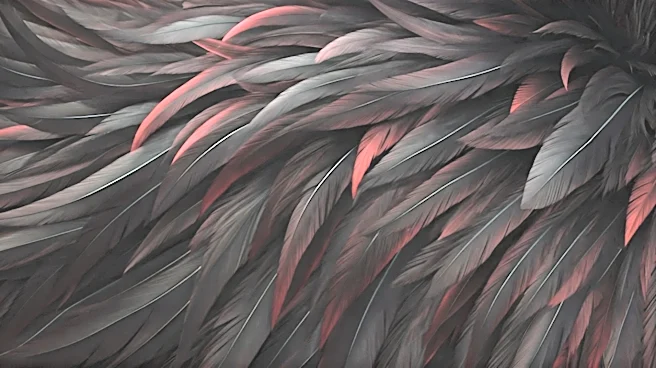
This year, the unofficial accessory of ESSENCE Fest seemed to be the feather. From lush, black ostrich feather trim on the cuffs of a crisp white blouse to playful, colorful plumes accenting the hem of a mini-dress, the detail was everywhere. It’s a look
that feels both fun and deeply glamorous. The visual effect is undeniable—a soft, airy movement that adds a touch of theatricality and luxury to any outfit. In a sea of vibrant looks and personal style statements, the feather trim stood out as a collective nod to something more, a shared language of glamour that feels both of-the-moment and deeply rooted in history. It transforms a simple garment into a piece of performance art, turning a walk through the French Quarter into a main-stage moment.
The Parisian Stage and a Harlem Renaissance
To find the roots of this glamour, you have to go back 100 years. As Black Americans moved north during the Great Migration, they didn't just seek new jobs; they forged a new identity. This cultural explosion, the Harlem Renaissance, was defined by an explosion of art, music, and unapologetic style. But the feather's most iconic early champion took her power to Paris. Josephine Baker, the American-born dancer who became a global sensation, masterfully used fashion as a tool of liberation. While famous for her banana skirt, Baker frequently performed in elaborate costumes dripping with feathers, transforming her body into a vessel of otherworldly opulence and captivating grace. Her feathered looks weren't just costumes; they were declarations of Black beauty and artistic freedom on a world stage that had never seen anything like her.
The Reign of the Disco Divas
The lineage of Black glamour continued through the mid-20th century, but it was the 1970s that cemented the feather's place in the pantheon of iconic style. Enter Diana Ross. Whether with The Supremes or as a solo superstar, Ross embodied a new level of glitz. Her stage presence was amplified by sequin-drenched jumpsuits and, of course, the dramatic feather boa. A toss of a feathered boa over her shoulder became a signature move, a gesture of pure, unadulterated star power. She and other divas of the era, like Donna Summer, used feathers to create an aura of untouchable glamour. They were no longer just performers; they were queens commanding their stages, and the plush, extravagant texture of feathers was a key part of their royal uniform. It was an aesthetic that said, "Look at me. I am magnificent."
A Symbol of Freedom and Joy
Feathers themselves carry a powerful symbolism of flight, lightness, and freedom. For a people whose history is defined by the struggle for freedom, embracing such an emblem is a potent act. It's a visual rejection of being weighed down. In many cultures, feathers also signify a connection to ancestral wisdom and spiritual protection. This symbolic weight makes the trend seen at ESSENCE Fest even more profound. It's not just an aesthetic choice; it’s an inheritance. The women rocking feather-trimmed outfits are, consciously or not, tapping into this powerful lineage. They are channeling the audacity of Josephine Baker, the commanding glamour of Diana Ross, and the spirit of countless Black women who have always used style to declare their presence, their worth, and their joy.