

The Talent Incubator
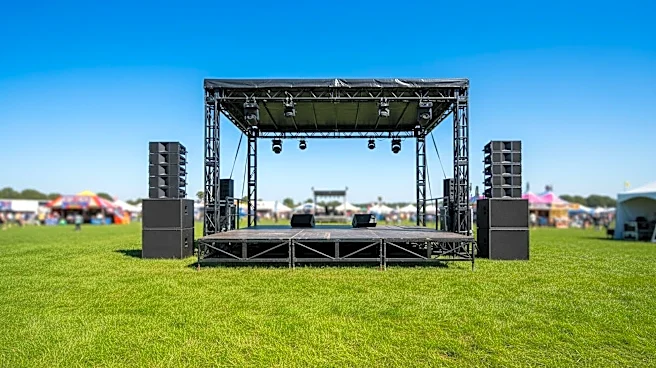
For every festival headliner, there are dozens of artists playing earlier in the day on smaller stages. These aren't just filler; they are the festival's R&D department. Talent buyers and curators see these “undercard” bookings as a calculated risk and a long-term
investment. They use these stages to introduce promising new acts, gauge audience reaction, and test an artist's ability to handle a festival environment. It's a high-stakes audition floor where a memorable 45-minute set can earn an artist industry buzz and a reputation for being a great live act. These smaller stages, like the Gobi or Mojave tents at Coachella, have a long history of being launchpads for artists who later achieve mainstream success. The intimate setting allows performers to connect directly with new listeners, building a loyal fan base one show at a time.
The Audience Discovery Engine
While headliners are the primary draw, a huge part of the festival experience is discovery. Fans wander from stage to stage, and a compelling sound bleeding from a smaller tent can lead them to their next favorite band. In these more intimate environments, every cheer feels personal, and the connection between artist and audience is palpable. This is where word-of-mouth begins. A standout performance on a side stage can ignite social media, with clips and reactions spreading far beyond the festival grounds. For many attendees, stumbling upon an unknown artist and watching them deliver a star-making performance is a more memorable experience than seeing the established headliner they came for. Festival organizers know this and curate the undercard to create these moments of spontaneous discovery, knowing that a buzzy side-stage act enhances the value of the entire event.
A Laboratory for New Sounds
Main stages often feature artists with proven commercial track records, playing genres that are already popular, like Pop, Rock, and EDM. Side stages, however, are where genre boundaries get blurry. They are sonic laboratories where bookers can program more experimental, niche, or hybrid sounds that might be considered too risky for the main stage. This is where you’ll find the post-punk band, the Afrobeats collective, the hyperpop producer, or the folk-metal group. These stages expose a diverse festival audience to sounds they might not seek out on their own, normalizing genre-blending and paving the way for new trends. An electronic music fan might find themselves captivated by a Latin artist, or a rock fan might discover a new appreciation for a hip-hop act. This cross-pollination is essential for expanding the collective musical palate and pushing the established canon in new directions.
The Path to the Main Stage
The journey from a 2 p.m. slot in the Gobi tent to headlining the Coachella main stage is a well-trodden path. Artists like The Black Keys and Calvin Harris once played smaller tents before becoming festival royalty. More recent examples abound across major festivals, where artists who created a massive buzz on a side stage one year are invited back for a bigger slot on a larger stage the next. This progression isn't accidental; it's a core part of the festival ecosystem. A successful side-stage performance provides proof of concept for promoters, demonstrating that an artist can draw a crowd and deliver a powerful live show. This success creates a ripple effect, leading to better tour placements, more media attention, and bigger opportunities. The side stage is the first rung on the ladder, a critical proving ground that filters and elevates the next generation of headliners who will one day define the sound of the main stage.