


The Set is Shorter Than You Think
Unlike a headliner's two-hour solo show, festival sets are brutally efficient. An artist might only have 20-30 minutes to make an impact. This means every single second counts. For a producer, this is a lesson in ruthless editing. Your four-minute album
cut with a long, atmospheric intro? It won’t work here. Festival sets force artists to get to the chorus, the drop, or the signature riff immediately. It's a reminder that for a broad audience, attention is the most valuable currency. When arranging your tracks, ask yourself: if I only had 30 seconds to win someone over, which 30 seconds would I choose? Now, how can you restructure the song to lead with that energy?
Medleys are a Superpower
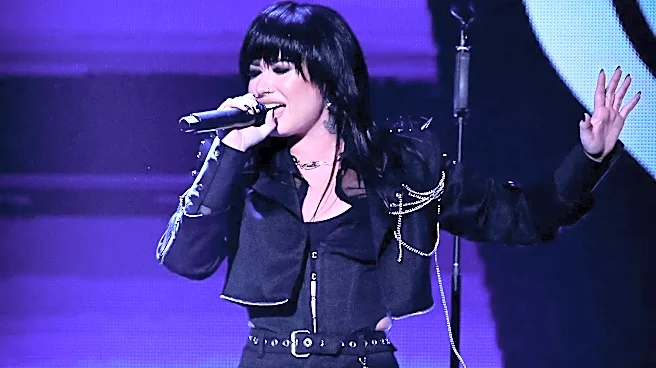
You’ll rarely see a major pop act at iHeartRadio play three full songs back-to-back. Instead, they use medleys to pack in as many hits as possible. A verse from one hit might crash directly into the chorus of another, linked by a custom transition. This is a crucial lesson in arrangement and key-matching. As a producer, being able to deconstruct your own songs (or an artist's catalog) and reassemble them into a high-impact medley is an invaluable skill. It shows you understand the DNA of each track—its tempo, key, and most importantly, its most recognizable moment. This isn't just a DJ pushing buttons; it's a complete re-production for a live environment.
Dynamics are for the Arena, Not Your Headphones
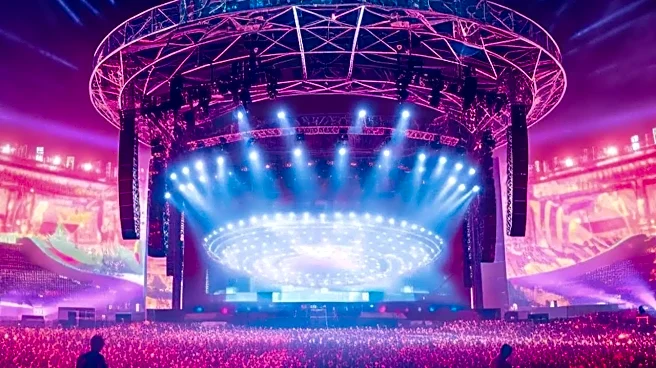
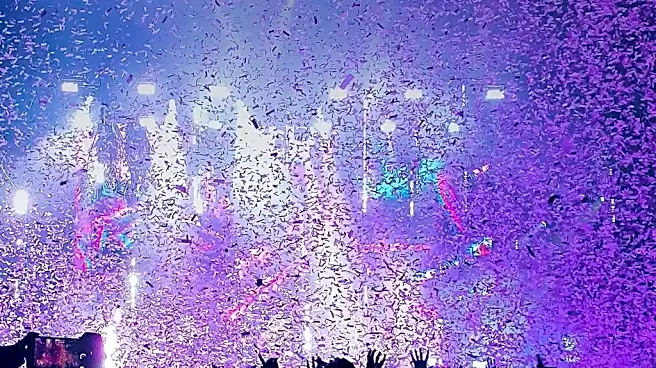
The dynamic range that sounds amazing in a studio can get completely lost in an arena filled with 20,000 screaming fans. Live festival sets operate on a different scale of loud and soft. The “quiet” moments aren’t truly quiet; they’re just less dense, perhaps dropping to just a vocal and a piano. The “loud” moments are colossal, with added sub-bass, extra synth layers, and wider backing vocals. Producers for live sets intentionally exaggerate these shifts to create palpable energy swings the entire crowd can feel. It’s a lesson in context. The perfect mix for Spotify and the perfect mix for a stadium are two different beasts. You have to produce for the space you want to fill.
Transitions and Interludes are the Glue
What happens between the songs is just as important as the songs themselves. The seamless, high-speed nature of an iHeartRadio set is made possible by pre-produced transitions, interludes, and sound design. These aren’t just fade-outs. They are custom-built musical moments—a synth riser, a drum fill, a distorted vocal chop—that bridge two different songs, often in different keys or tempos. For an aspiring producer, this is a huge area of opportunity. Creating an artist’s “show glue” is a specialized and vital role. It demonstrates an understanding of branding, pacing, and tension-and-release that goes far beyond making a beat.
The 'Live' Version is a Remix
The goal of a festival set is not to perfectly replicate the studio recording. It’s to create an enhanced, high-energy version of it. Notice the extra drum samples, the added synth arpeggios, and the beefed-up basslines. These elements are often added specifically for the live show to give the tracks more power and impact through a massive PA system. Think of it as creating an official “live remix” for every song. This might also include extending an outro for a dance break, adding a new instrumental solo, or incorporating a call-and-response section for the audience to participate in. The studio version is the foundation; the live version is the spectacle built on top of it.
Collaborations Create Moments
The iHeartRadio Music Festival is famous for its surprise on-stage collaborations. From a production standpoint, this is a masterclass in adaptability. It often requires creating a new arrangement that blends two artists' styles, keys, and vibes on the fly. For a producer, this means being able to think beyond a single artist’s sound. How would your track sound with a country singer on the second verse? Or if a legendary rock guitarist played a solo over the bridge? Thinking collaboratively opens up creative doors and prepares you for the kinds of spontaneous, memorable moments that define major live events.