









Start with the Right Turtleneck
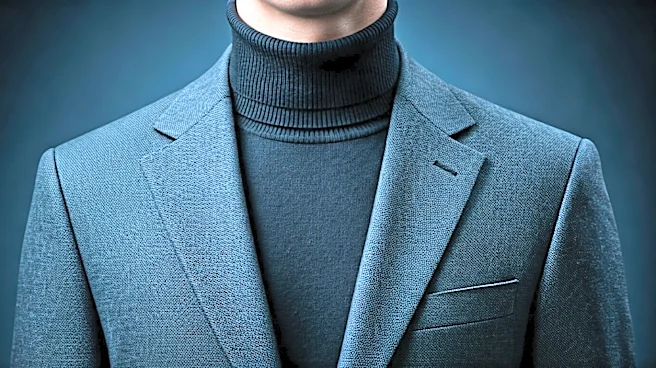
Not all turtlenecks are created equal. The foundation of this look is a fine-gauge knit. Think thin, refined materials like merino wool, cashmere, or a soft cotton blend. These fabrics are crucial because they layer smoothly under a suit jacket without
adding bulk. A chunky, cable-knit turtleneck, while great on its own, will bunch up under a blazer, creating awkward lumps and making you look like you’re preparing for a polar expedition, not a stylish evening out. The goal is a sleek, streamlined silhouette. The neck of the turtleneck should also be high and structured enough to stand up on its own without flopping over, but not so tight that it feels restrictive. The overall effect should be one of sharp, deliberate comfort.
Nail the Fit and Fabric Pairing
The fit of both the turtleneck and the suit is paramount. Your turtleneck should be slim-fitting, hugging your torso without being skin-tight. A baggy turtleneck will ruin the clean lines of your suit. Similarly, your suit jacket needs to have enough room to accommodate the extra layer. If your suit is tailored for a thin dress shirt, you may need a slightly more generous cut to wear a knit underneath comfortably. The shoulders should still sit perfectly, but you want to be able to button the jacket without any pulling or strain. Fabric coordination is another key detail. Think about texture. A rugged tweed or flannel suit pairs beautifully with a substantial merino wool turtleneck. A smoother worsted wool or cashmere-blend suit works best with an equally luxurious and fine cashmere or silk-blend turtleneck. Avoid pairing a very formal, shiny suit fabric with a casual knit; the clash in texture and formality rarely works.
Master Your Color Palette
Color can make or break this look. When in doubt, keep it simple. Here are three foolproof approaches: 1. Monochromatic: This is the easiest and often most impactful option. A black turtleneck under a black or charcoal suit is a classic, sleek choice popularized by everyone from artists to secret agents in film. Navy on navy or grey on grey works just as well for a sophisticated, unified look. 2. Tonal: This involves wearing different shades of the same color. For example, a light blue turtleneck under a navy suit, or a camel turtleneck under a brown suit. This adds a subtle layer of visual interest while remaining cohesive and understated. 3. Classic Contrast: This is your chance to introduce a complementary color. A cream or off-white turtleneck provides a fantastic, versatile base for almost any suit color, especially navy, charcoal, or earth tones like olive and brown. A rich burgundy or forest green turtleneck can add a confident pop of color under a neutral grey or brown suit. The key is to stick to classic, muted, or rich tones rather than bright, loud ones.
Know When and Where to Wear It
The turtleneck-and-suit combination makes a statement, so context is everything. It projects an air of creative intellectualism, think Steve McQueen or Michael Caine. This makes it perfect for creative workplaces, gallery openings, upscale dinners, or a stylish date night. It’s a great way to look put-together without the formality of a tie. However, it’s not appropriate for every situation. In highly conservative environments like corporate law, finance, or a traditional boardroom, a classic shirt and tie is still the expected and safer choice. It’s also generally not suitable for formal events with a strict dress code, such as a black-tie wedding or a gala. The look is a replacement for a business casual or smart casual outfit, not a substitute for formalwear. Think of it as elevating a casual look rather than dressing down a formal one.