


An Ocean of Glamour
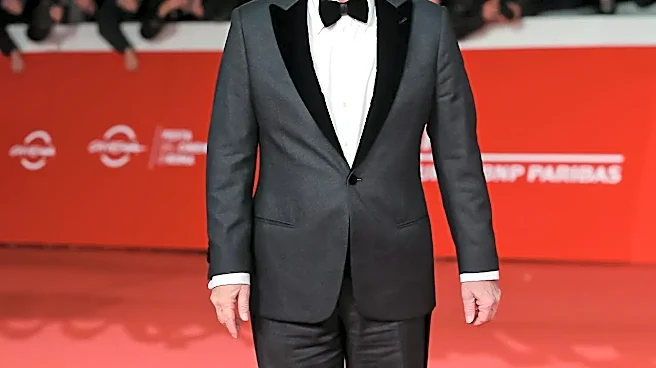
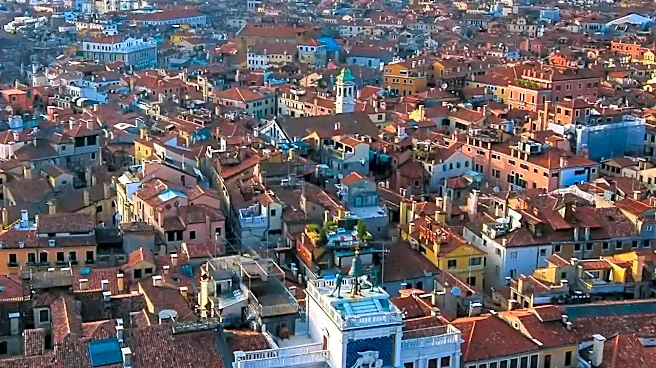
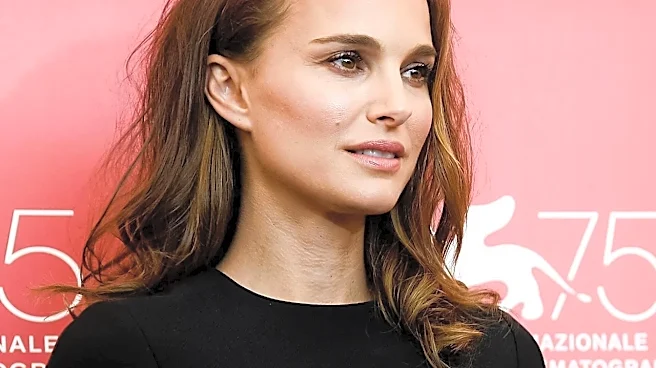
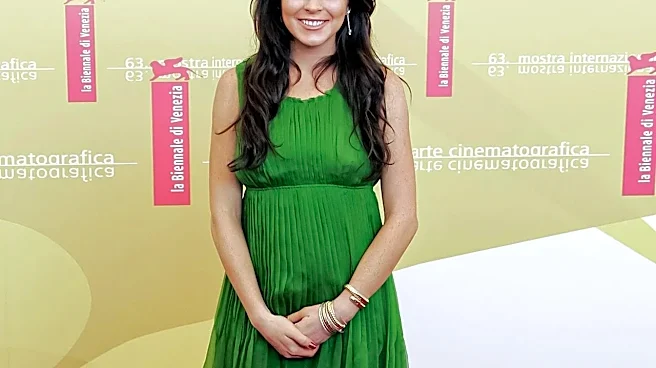
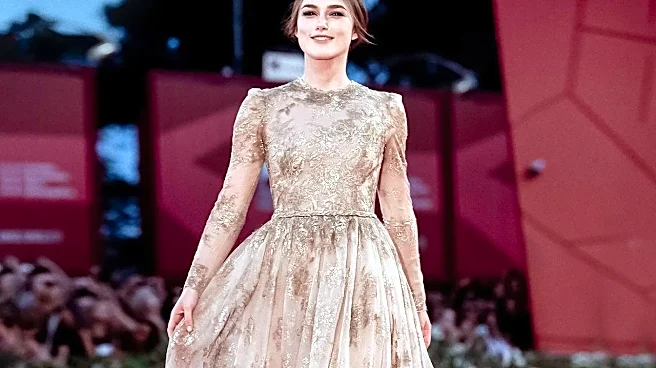
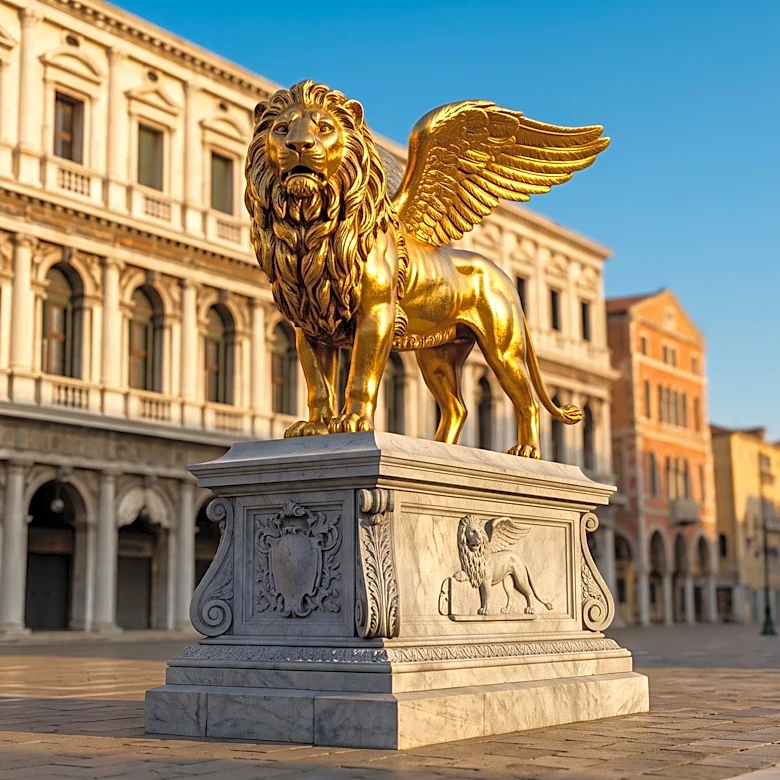
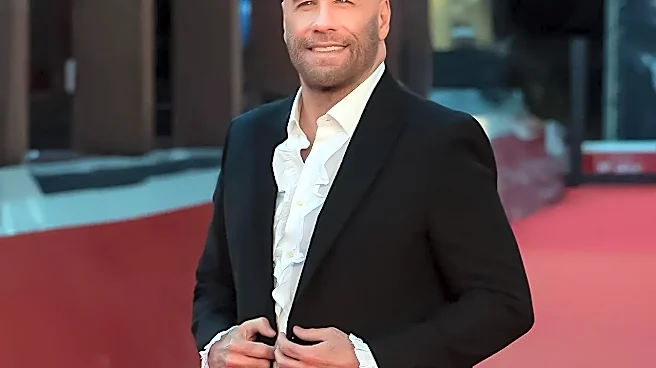
First, you have to understand the sheer spectacle of the Venice Film Festival. Held annually on the Lido, it's a whirlwind of sensory overload. The air is thick with prestige, history, and the clicking of paparazzi shutters. A-list stars arrive via polished
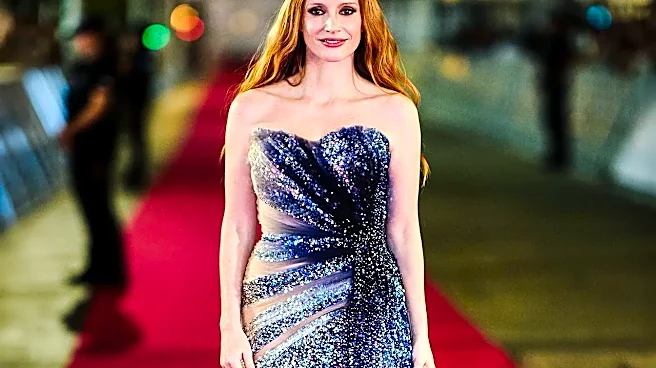
water taxis, gliding down canals in couture gowns and bespoke suits. The red carpets are blinding. The premieres are followed by standing ovations that have become a competitive sport, with outlets timing applause that can last ten, fifteen, even eighteen minutes. It is an environment of high drama, opulence, and noise, both literal and figurative. Every element is designed for maximum external impact, creating a baseline of extravagant expression before a single movie even screens.
A Whisper in a Loud Room
Against this backdrop of carefully managed chaos, a quiet performance doesn't just register; it resonates. When an actor forgoes grand gestures, shouting matches, and tear-soaked monologues, they create a powerful contrast. The performance becomes a refuge from the festival's noise. It invites the audience, which includes the world's most influential critics, to lean in and pay closer attention. This act of drawing the viewer inward feels inherently more artistic and serious. A performer who can command a screen with only a flicker in their eyes or a subtle shift in posture projects an immense confidence that is impossible to ignore. In a sea of loud, the whisper becomes the most compelling sound.
The High-Wire Act of Stillness
There’s a reason critics and fellow actors often admire these roles: they are incredibly difficult to pull off. Big, expressive acting gives a performer tools to work with—a dramatic speech, a physical transformation, a visible breakdown. An internal performance, however, strips most of that away. The actor must convey a universe of emotion—grief, rage, love, turmoil—while appearing to do very little. It’s a high-wire act of technical control and deep trust in the script. Every choice must be precise, as there is no room to hide behind theatrics. When it works, it feels less like acting and more like a profound moment of observed truth. This perceived difficulty is a form of currency at a prestige festival, signaling a performance that is not just good, but masterfully crafted.
The First Shot in the Oscar Race
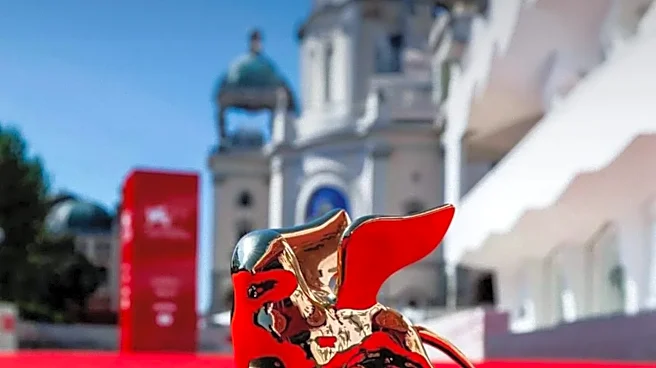
The Venice Film Festival is the unofficial but undisputed launchpad for awards season. A film that premieres well on the Lido is immediately placed into the Oscar conversation. A big, showy performance might get immediate attention, but a restrained one often has a longer tail. It gives critics something to write about, to unpack and analyze. It feels weighty and significant, the exact qualities the Academy tends to reward. While a bombastic role can sometimes feel like a desperate bid for an award, a subtle one comes across as an artist purely in service of their craft. This posture of artistic seriousness, whether intentional or not, is the perfect opening move in the long, grueling campaign that ends with a little golden statue. The buzz that begins in Venice is often a self-fulfilling prophecy, setting the narrative for the months to come.