


The German Wall Who Left His Line
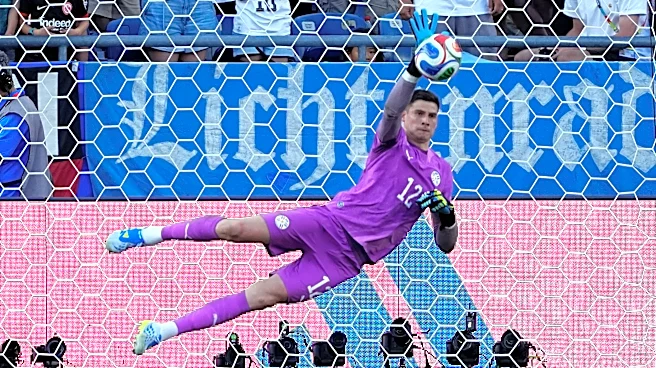
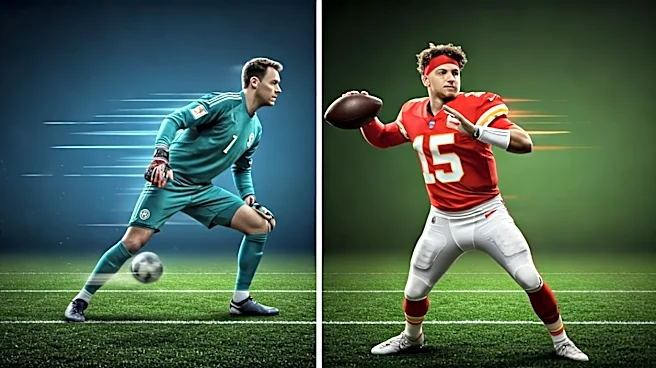
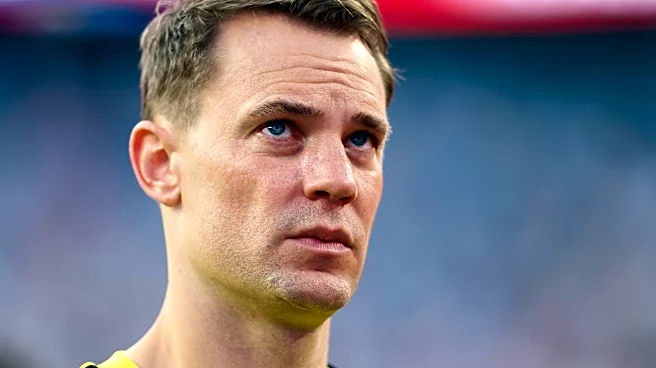
For decades, the goalkeeper’s job was simple: stay on your line, stop shots, and punt the ball far away. Then came Manuel Neuer. The German giant didn't just play goalkeeper; he played part-time center-back and deep-lying playmaker. Neuer pioneered the modern
“sweeper-keeper” role, positioning himself far outside the traditional penalty area to act as an eleventh outfield player. This allowed his teams at Bayern Munich and Germany to play a dangerously high defensive line, squeezing opponents because they knew Neuer was behind them to sweep up any long balls. His performance against Algeria in 2014 World Cup was a masterclass; he sprinted from his box repeatedly to intercept passes and make tackles like a defender. It wasn't just his aggressive positioning but also his elite footwork and distribution. Neuer didn’t just clear danger; he started attacks with precise passes and quick throws, turning a defensive role into an offensive launchpad.
The Magician Who Broke the Pocket
Across the Atlantic, a similar revolution was happening in the NFL. The quarterback prototype was long the fundamentally sound pocket passer who made decisions from a protected space. Patrick Mahomes looked at that model and decided to add a dose of backyard football magic. While he can operate within a traditional system, his genius thrives in chaos. When a play breaks down, Mahomes’ work has just begun. He’s known for an unconventional, improvisational style that includes no-look passes, sidearm throws from impossible angles, and even left-handed tosses when necessary. This creativity isn't just for show; it disorients defenses and opens up passing lanes that conventional mechanics would close. Coaches who once would have drilled that kind of improvisation out of a player now encourage it, a phenomenon known as the "Mahomes Effect." He has inspired a new generation of quarterbacks who understand that athleticism and creativity are no longer bonuses, but essential tools.
A Shared Philosophy of Proactive Genius
At first glance, a goalkeeper and a quarterback have little in common. But the genius of Neuer and Mahomes stems from the same core philosophy: a refusal to be reactive. Traditionally, both positions waited for the game to come to them—the keeper waits for a shot, the QB waits for a receiver to get open. Neuer and Mahomes flipped that script. Neuer actively hunts down danger before it reaches his box, changing the geometry of the field for his opponents. Mahomes doesn't just manage plays; he creates them on the fly, extending broken moments into highlights. Both players impose their will from positions that are supposed to be about control and risk management. Their innovation is rooted in supreme confidence, exceptional game-reading ability, and the courage to take calculated risks that others wouldn't dare. They turned their positions from defensive or systematic roles into proactive, attacking weapons.
The Blueprint for a New Generation
The true mark of a revolutionary is imitation. Today, you can see the influence of both athletes across their respective sports. In soccer, elite clubs no longer just want a shot-stopper; they demand a goalkeeper who is comfortable on the ball and can participate in the build-up play—a direct legacy of Neuer's style. Keepers like Alisson Becker and Ederson are prime examples of the Neuer blueprint becoming the global standard. In the NFL, scouts and teams have changed what they look for in a quarterback. Prospects are now valued for their ability to make “off-schedule” throws and create with their legs, a direct result of Mahomes proving how valuable those traits can be. Young athletes in both sports are growing up watching them, understanding that greatness isn't just about executing the plan, but about rewriting it when necessary.