





The Peak of Peacocking
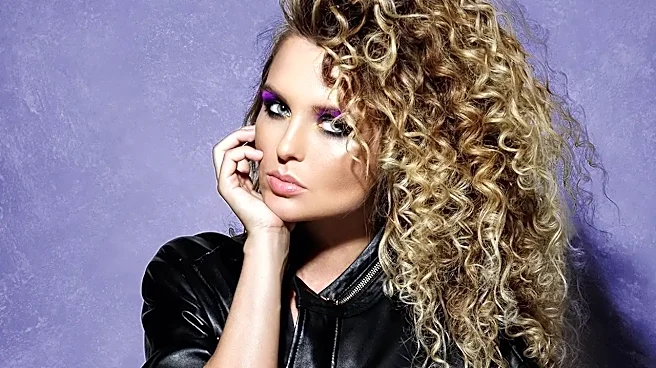
In the 1980s, particularly on the Sunset Strip in Los Angeles, hair was everything. Bands like Mötley Crüe, Poison, and Bon Jovi pioneered a look that was as crucial as their power chords. This wasn't just long hair; it was an architectural feat. Teased
to incredible heights, drenched in hairspray, and often highlighted or bleached, it was the ultimate symbol of the decade's maximalist philosophy. Bigger was always better. This style was a cocktail of influences, borrowing from the androgyny of 70s glam rock icons like David Bowie and the New York Dolls but amplifying it for the MTV generation. It was proudly rebellious and visually loud, a perfect complement to lyrics about partying, love, and defiance. For a generation of young fans, this hair wasn't just a style, it was a statement of identity that blended masculine rock swagger with traditionally feminine styling cues like makeup and flamboyant clothes.
The Inevitable Backlash
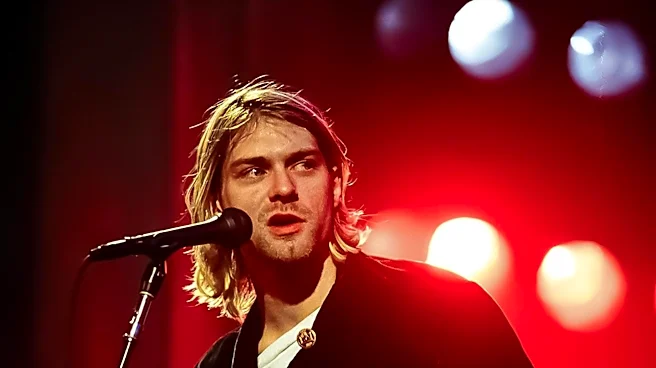
By the early 1990s, the party was over. The emergence of grunge music from the Pacific Northwest was the antithesis of everything glam metal stood for. Where glam was polished and performative, grunge was raw, introspective, and stripped-down. And the hair reflected this sea change perfectly. Grunge musicians like Kurt Cobain and Eddie Vedder still had long hair, but it was defiantly un-styled—often stringy, unwashed, and hanging in their faces. This wasn't a new look, but its context was a direct rebellion against the high-maintenance artifice of the previous decade. The flannel shirts and ripped jeans of grunge were a world away from the spandex and leather of glam. The shift was so swift and total that it made glam metal a pop-cultural punchline almost overnight, burying the genre and its signature hairstyles under a wave of supposed authenticity.
The Unseen Echo in the '90s and Beyond
Here's where the "quiet" influence comes in. While grunge rejected glam's look, it couldn't erase its impact. By making extreme hair a part of the male rock uniform, glam metal had broken down barriers. This paved the way for the next wave of rock subcultures to use hair as a key signifier. In the pop-punk and emo scenes of the late 90s and 2000s, hair was once again a central part of the identity. The spiky, frosted tips and later, the straightened, side-swept, jet-black hairdos of bands were a new form of stylized rebellion. It wasn't the same as glam's towering manes, but the underlying principle—that a man's hair could be a dramatic, colorful, and highly stylized form of self-expression—owed a debt to the pioneers of the 80s.
A Broader Definition of Masculinity
Perhaps the most enduring legacy of glam metal's aesthetic is its contribution to a more fluid idea of masculinity in mainstream music. While many of the artists presented as aggressively heterosexual, their adoption of makeup, elaborate hair, and androgynous clothing challenged conventional norms. They invited the gaze of the audience, presenting themselves as objects of desire in a way that was new for mainstream male rock stars. This flamboyant presentation helped normalize the idea that male performers could play with their image, blending masculine and feminine signifiers without sacrificing their power. Decades later, when male pop stars and rock artists from various genres experiment with bold fashion, makeup, or hairstyles, they are walking on ground that was first stomped on by glam metal's platform boots.