


The New Definition of 'Live TV Currency'
In an age of streaming and endless content, the value of a live television event has fundamentally changed. The old currency was simple: millions of eyeballs tuned into a single channel at a specific time. But as traditional ratings decline, a new, more
dynamic form of value has emerged: social currency. For an awards show like the VMAs, success is no longer just about how many people watch the broadcast, but how many people are talking, tweeting, and posting about it. This digital footprint—the explosion of real-time reactions, memes, and viral clips—is the new coin of the realm. It creates a secondary viewing experience that extends the show's life for days, making every performance and acceptance speech a potential conversation starter online.
Mining a Goldmine of Pop Culture History
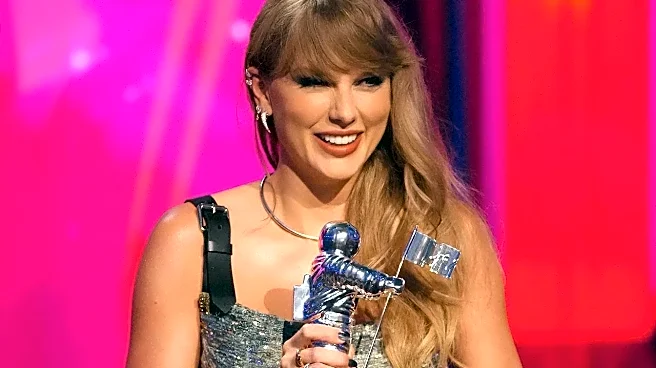
Unlike other awards shows, the VMAs sit on a unique goldmine: decades of genuinely shocking, unscripted, and culture-defining moments. These memories are its primary asset. Think of Madonna writhing on the floor to "Like a Virgin" in 1984, Britney Spears performing with a python in 2001, or Kanye West interrupting Taylor Swift in 2009. These aren't just fun throwbacks; they are foundational texts of modern pop culture, known even to viewers who weren't alive to see them happen. This vault of iconic moments gives MTV a powerful toolkit. The network has shifted its priority from creating entirely new moments to strategically mining its past, knowing that referencing these events can generate instant buzz.
The Nostalgia-to-Buzz Pipeline
So how does the show convert this memory into currency? The tactics are deliberate and increasingly common. A key strategy is the legacy tribute. Honoring an artist like George Michael or presenting Nirvana with the Video Vanguard Award, as seen in 2026, serves a dual purpose. It respects musical history while activating the nostalgia of an older demographic and educating a younger one. Another method is the "full-circle" moment, like when an artist wears a dress that pays homage to a past VMA look, creating a cross-generational link that is instantly shareable. Even the choice of presenters and performers is strategic, often involving artists who have their own storied history with the VMA stage. These moments are engineered to feel like organic parts of the show, but they are carefully chosen to spark conversation by connecting the present to a well-known past.
A Strategy for the Attention Economy
This reliance on nostalgia is a savvy, if sometimes transparent, play for the attention economy. It’s a way to cater to multiple generations at once. Millennials and Gen X remember the original moments, providing a comforting touchstone in a chaotic broadcast. For Gen Z, who know these moments as historical internet lore or TikTok sounds, seeing them referenced provides context and a sense of being in on the joke. The approach isn't without risk. Leaning too heavily on the past can make a show feel dated or creatively stagnant, more like a rerun than a premiere. Yet, in a fractured media landscape, guaranteeing a social media conversation by remixing its own greatest hits has proven to be a reliable formula for relevance. It ensures the VMAs aren't just a show, but a massive, multi-platform cultural event.