

From Niche Perk to Mainstream Event
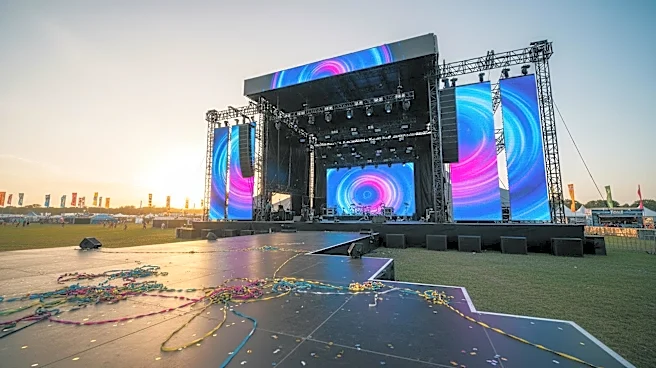
The idea of streaming a festival isn’t new. Coachella has been partnering with YouTube for over a decade, but for years it felt like a bonus feature—a nice-to-have for those who couldn't make it to the desert. The pandemic, of course, turned virtual events
from a novelty into a necessity, with livestreaming seeing a massive 300% surge in the first half of 2020. But what’s happened since is more significant. Instead of receding as in-person events returned, the streaming experience has exploded. In 2023, Coachella streamed every single stage for the first time, a move so successful the partnership with YouTube was extended through 2026. Now, it's an expectation. Lollapalooza's 2026 festival is being streamed exclusively on Disney+ and Hulu, integrating a major music event into the ecosystem of blockbuster streaming services. This isn't a backup plan; it's prime-time programming.
The Rise of the 'Couch Tour'
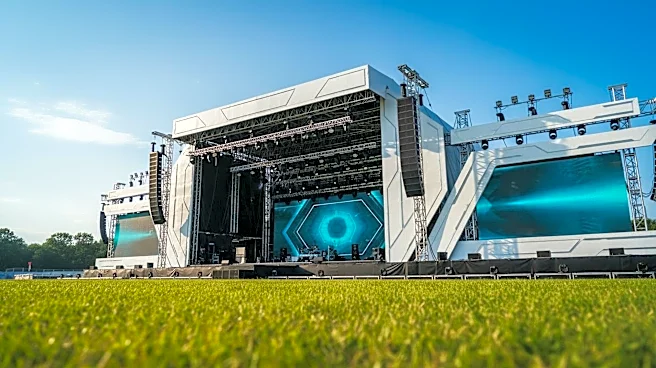
The term “Couchella,” once a slightly mocking hashtag for those watching from home, now represents a massive, engaged audience. For many, this “couch tour” has become the preferred way to experience a festival. The reasons are obvious: no long lines for bathrooms, no battling 100-degree heat, no spending hundreds or thousands on tickets, travel, and lodging. The at-home viewer gets multi-camera, high-definition views, often better than any spot on the actual festival grounds. YouTube's Coachella broadcast for 2026 featured 4K feeds and a multiview option to watch four stages at once. It’s an optimized, curated experience that physical attendance can’t match. This digital-first approach is paying off with staggering numbers. Individual sets from Coachella 2026, like Justin Bieber's, garnered tens of millions of views on social media in the days following the event, dwarfing the physical attendance of around 125,000 per day.
More Than Just Watching
A key misconception about livestreaming was that it would be a passive, isolating experience that killed the crucial community vibe of festivals. The opposite has proven true. Live chats and dedicated social media threads create a global digital festival ground. Fans share reactions, identify obscure tracks, and build a sense of community, with dedicated apps and Reddit threads popping up for fans on “couch tour” for bands like Goose and Billy Strings. Furthermore, a new layer of creator-led content has emerged, with influencers and streamers providing a raw, behind-the-scenes look that runs parallel to the official, polished broadcast. This hybrid model—part professional broadcast, part fan-led community—has demolished the old fear that streaming cannibalizes ticket sales. In fact, data has shown that many who watch a livestream are more likely to attend in person the following year, using the stream as a discovery tool for new artists and a way to vet the experience before committing.
The Future is Hybrid
Promoters and artists now see the livestream audience not as a secondary market, but as an equally valid one. For festivals, it provides new digital real estate for sponsors and a way to keep fans engaged year-round with highlight reels and archived sets. For artists, it offers a way to reach a global fanbase simultaneously; P-pop group SB19's historic 2026 Lollapalooza performance, for instance, can be watched live from Chicago to the Philippines. While nothing can fully replicate the feeling of being in a crowd, the industry has realized that’s not the point. The convenience, accessibility, and high-quality production of modern livestreams offer a different, but equally compelling, value proposition. It has expanded the very definition of what it means to “be there,” turning massive, localized events into global cultural moments shared by millions, both on the field and on the couch.