
The Case for a Universal Classic
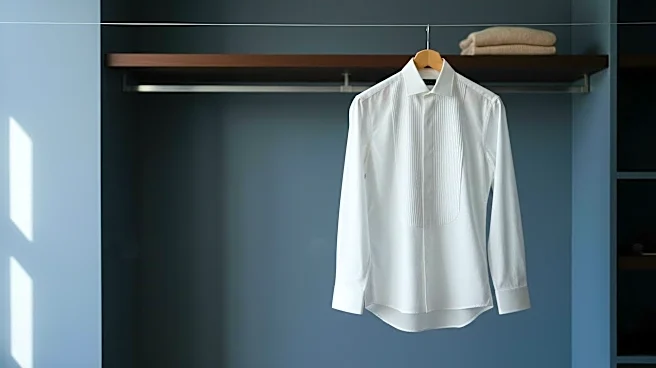
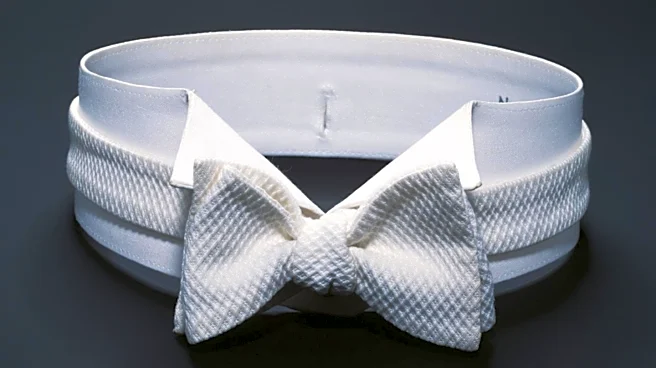
The traditionalist school of thought argues that the tuxedo shirt's power lies in its very structure. The signature elements—a stiff bib front (often pleated), French cuffs, and a sharp collar—are designed to create a clean, architectural silhouette under
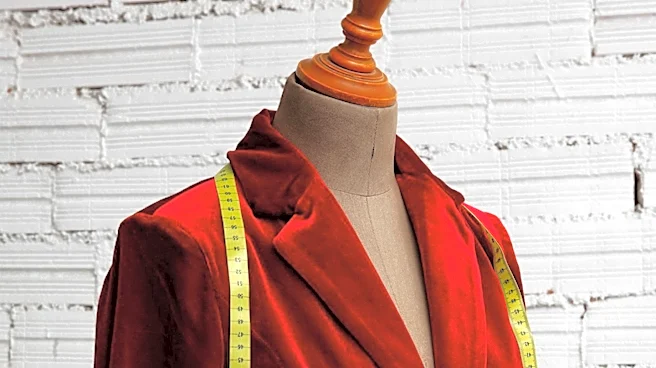
a jacket. Proponents of this view believe that with proper tailoring, the shirt doesn't just fit a body, but enhances it by providing a formal framework. The idea is that the garment’s crisp lines and high-quality cotton fabric are meant to drape elegantly, offering a polished look that can, in theory, be adapted to any frame. For this camp, the tuxedo shirt isn't about conforming to a person's natural shape but about elevating it to a formal standard. Tailoring is seen as the great equalizer, capable of adjusting the garment to sit correctly on the shoulders and taper at the waist, ensuring it looks intentional and sharp on anyone.
Where the Fit Gets Complicated
The counterargument begins where off-the-rack reality sets in. Designers who challenge the shirt's universal appeal point to its specific, often rigid, features. A pleated or starched bib front, for instance, can add visual bulk or create an awkward, stiff plane across a larger chest, rather than flattering it. For individuals with shorter torsos or wider hips, the traditional straight cut of a tuxedo shirt can lead to bunching at the waist or pulling across the seat. These fit issues reveal a fundamental tension: a design created for a specific, often lean, body type doesn't always translate gracefully. A collar that gaps or pinches, a bib that is too wide or narrow, or seams that pull at the shoulders are all common complaints that prevent the shirt from looking polished. This is where the disagreement becomes less about philosophy and more about the practical challenges of dressing diverse bodies.
The Modernist View: Rethinking the Blueprint
A growing number of designers argue that a classic should evolve. This modernist camp believes in preserving the spirit of the tuxedo shirt—its elegance and formality—while deconstructing its rigid form to be more inclusive. This approach moves beyond simple tailoring and into redesigning the garment itself. We're seeing tuxedo shirts made from softer fabrics with less structured bibs, or even forgoing the bib entirely for a sleeker look. Designers are introducing different collar styles, like minimalist mandarin collars, to flatter various face shapes and necklines. They are also incorporating darts and offering varied cuts (slim, classic, relaxed) to accommodate curves, broader frames, and different proportions from the outset. This philosophy is part of a broader push in fashion for inclusivity, arguing that clothes should be designed to celebrate the body's natural shape, not force it into a historical ideal.
Styling as the Great Equalizer
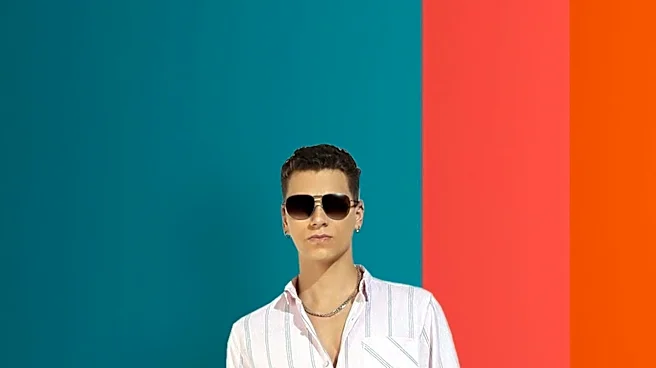
Beyond the design studio, there's a third perspective that empowers the wearer: the stylist's approach. Even if a traditional tuxedo shirt isn't a perfect fit off the rack, the way it's worn can dramatically alter its effect. For some, wearing the shirt partially unbuttoned and open over a silk camisole redefines its formal stiffness. For others, a full tuck into high-waisted trousers can create a more balanced and elongated silhouette, solving proportion issues. Playing with accessories, like choosing a specific bow tie to complement the collar style or forgoing it altogether, can also personalize the look. This view suggests that the tuxedo shirt is not a fixed uniform but a versatile component. It bridges the gap between the two design philosophies by putting the final interpretation in the hands of the person wearing it, proving that confidence and creative styling can often be the most important elements of all.