




The Ghosts of Golden Generations Past
For decades, Portugal has been a factory for world-class soccer talent, a nation seemingly on the perpetual verge of glory. Yet, despite generational stars, their status as a true World Cup powerhouse feels incomplete. What’s missing? To understand Portugal’s
present-day conundrum, you have to look back. This isn’t a new phenomenon. The pattern of dazzling talent and ultimate heartbreak is woven into the fabric of the Seleção. In 1966, the legendary Eusébio, the “Black Panther,” led the team to a third-place finish in their first-ever World Cup, lighting up the tournament with his goals and grace. It was a stunning debut, but it set a precedent: brilliant, but not the best. Fast forward to the early 2000s and the “Golden Generation” featuring Luís Figo, Rui Costa, and a host of other sublime technicians. They won youth championships and looked destined for senior glory. Yet, at the World Cup, their best result was a semi-final run in 2006, where a young Cristiano Ronaldo had joined the ranks. In both eras, the pieces were there—individual genius, deep talent pools—but they couldn’t solve the final puzzle.
The Cristiano Ronaldo Paradox
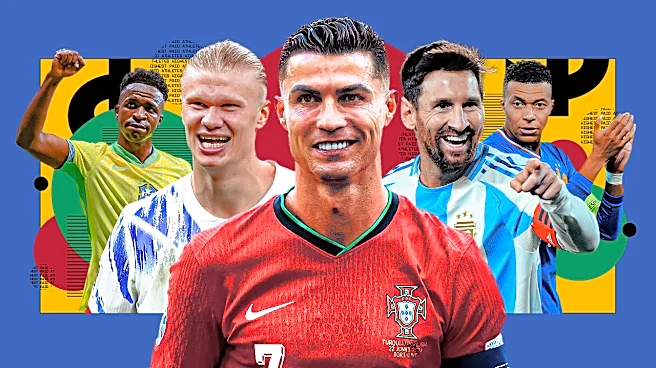
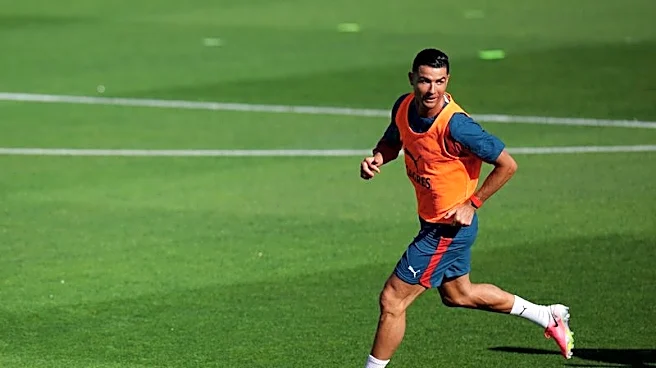
Then came Cristiano Ronaldo, a once-in-a-century athlete who elevated the team’s global profile and expectations to unprecedented heights. For nearly two decades, Portugal’s identity was intertwined with its greatest-ever player. His relentless drive and historic goal-scoring record made them a threat in any match. But this singular focus created a paradox. Was Portugal a great team, or a good team with a truly great player? At times, the system seemed geared entirely to maximizing Ronaldo, which could make them predictable. In other moments, his individual brilliance paper-thin over tactical deficiencies. The greatest exception, of course, was their triumph at Euro 2016. Ironically, they won the final against France after Ronaldo was forced off with an early injury, proving they could succeed as a collective. Yet that victory, while monumental, only made the subsequent World Cup disappointments—a Round of 16 exit in 2018 and a stunning quarter-final loss to Morocco in 2022—all the more confounding.
A Modern Talent Factory That Misfires
The argument that Portugal is just “Ronaldo and 10 other guys” has long been obsolete. The current squad is arguably the deepest and most balanced in the nation's history. Look at the roster: Premier League stars like Bruno Fernandes and Rúben Dias, La Liga’s João Félix, Serie A MVP Rafael Leão, and the creative engine of Manchester City, Bernardo Silva. This isn't a team short on elite, top-tier talent playing at the biggest clubs in the world. Yet, the 2022 World Cup campaign ended not with a bang, but a whimper. After demolishing Switzerland 6-1 in a match that seemed to announce their arrival as true contenders, they were shut down and defeated 1-0 by a disciplined and passionate Morocco. The loss raised familiar questions: Does the team have the right mentality for knockout football? Is there a tactical fragility that top-tier, organized opponents can exploit? Having an abundance of attacking talent is one thing; forging it into a cohesive, ruthless, tournament-winning machine is another matter entirely.
The Unfinished Business of Belief
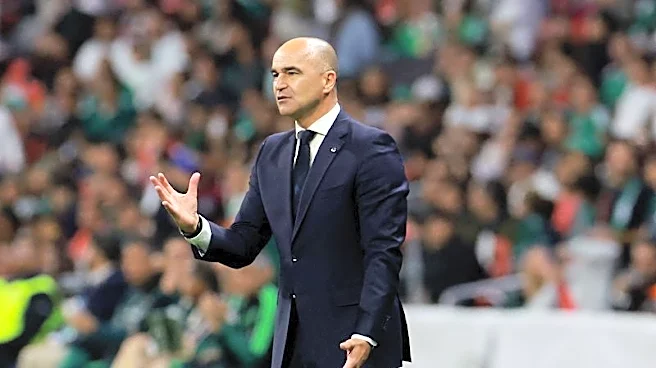
So, what will it take for Portugal to finally finish the job? The answer likely lies beyond just accumulating more talent. The final step is often mental and tactical. Nations like Germany, Argentina, and France carry an institutional belief, an unshakable confidence forged by past victories. They don't just hope to win the World Cup; they expect to. Portugal, for all its stars, has always felt more like a hopeful contender—a “dark horse” in the language of international tournaments. Under new manager Roberto Martínez, the team is attempting to build a new identity post-Ronaldo (though he remains a part of the squad). The challenge is to instill a system and a mindset that is greater than the sum of its brilliant parts. They need to transform from a team that can produce moments of magic into a team that can control 90 minutes of grueling, high-stakes World Cup football. Until they lift that trophy, their case as a true global powerhouse remains open, a compelling but ultimately unfinished story.