



The Ultimate Test of a Song
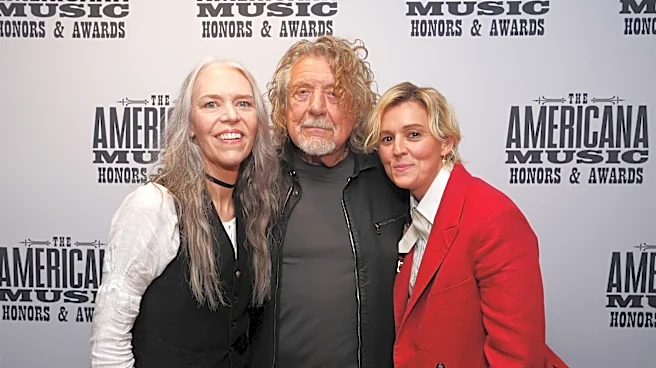
In the grand cathedral of Nashville's Ryman Auditorium, sound can get big. The 2026 ceremony was no exception, with a roaring reunion of Tom Petty’s Heartbreakers alongside Chris Stapleton and a ferocious performance from Robert Plant. But amid the welcome
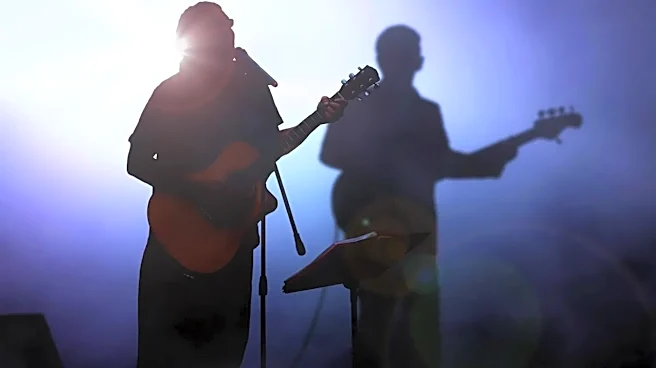
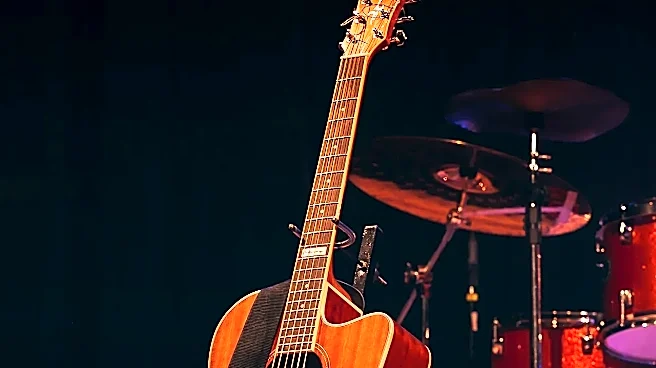
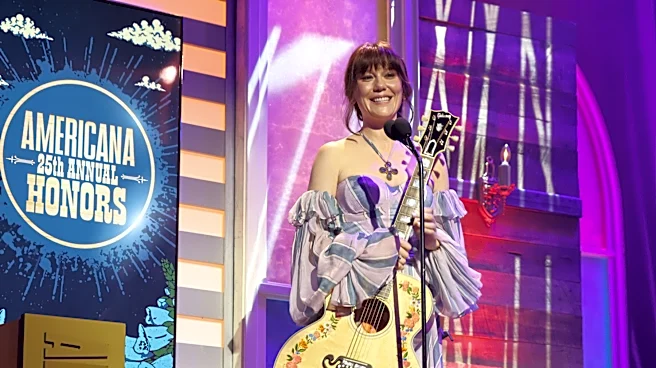
noise, the show's true currency was once again revealed in moments of stark simplicity. When Artist of the Year Molly Tuttle performed her song “Rosalee,” it was as an acoustic rendition, her masterful guitar work front and center. Similarly, the emotional tribute to the late Dolly Parton saw Brandi Carlile and I’m With Her gather around microphones with acoustic instruments to deliver a moving version of “Coat of Many Colors.” In these moments, there’s nowhere to hide. Stripped of layers of production, the song itself—its lyrics, its melody, its soul—is laid bare. It’s a high-wire act that proves a song’s worth, and it’s the kind of vulnerability the Americana audience craves.
A Direct Line to a Deeper History
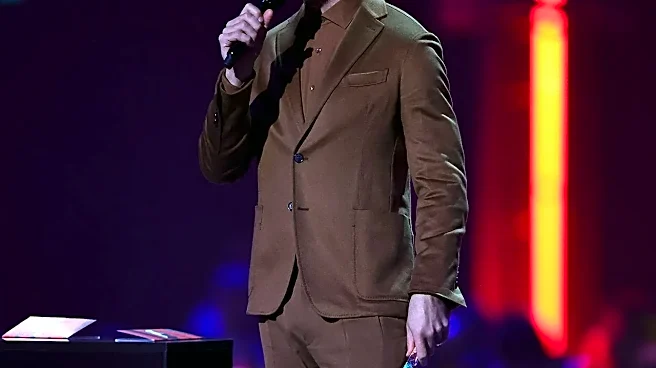
The focus on acoustic performance isn't just an aesthetic choice; it's a direct nod to the genres that form Americana’s foundation: folk, blues, and country. These are storytelling traditions born on front porches and in humble listening rooms, where a guitar was the primary engine of expression. By placing a solo or acoustic-led artist on its biggest stage, the Americana community reaffirms its connection to these roots. The hosts of the 2026 awards, acoustic duo The Milk Carton Kids, even framed the evening with a theme of championing real, human-made music in an age of artificial intelligence. When Hayes Carll and Elizabeth Cook paid tribute to the late Todd Snider with his “Play a Train Song,” they weren't just performing; they were participating in a sacred, long-standing ritual of passing stories down through song.
How Silence Becomes a Statement
In a culture saturated with noise, quiet can be the most powerful tool. A full band commands your attention through volume, but a single acoustic guitar invites you to lean in and listen. It changes the energy of a room, creating a shared, intimate experience. During the wider AmericanaFest this year, some artists took this idea to its logical extreme. After a full set, one band put down their electric instruments and gathered for an entirely un-mic'd final song, a quiet lullaby that held the audience completely still. In that moment, the lack of amplification became the point. It was a statement of confidence in the song and a gesture of trust in the audience, reminding everyone that music doesn’t need to be loud to be powerful. This act of drawing people in, rather than blasting them back, is a hallmark of the Americana ethos.
Celebrating the Songwriter First
Ultimately, the Americana genre is a celebration of the songwriter. While electrifying performers and instrumental wizards are lauded—as seen with Instrumentalist of the Year winner Mandy Fer—the song remains the star. An acoustic performance is the ultimate tribute to this ideal. It puts the architecture of the song on full display, highlighting the craft of artists like Brandi Carlile, who took home Song of the Year for “Returning to Myself.” The award was presented by legendary lyricist Bernie Taupin, a fitting symbol of the community’s reverence for songwriting. Seeing an artist alone on stage, armed only with their words and a few chords, is a reminder of where it all begins. It’s a testament to the idea that the most enduring magic in music often comes from the simplest and most honest of places.