






Turning Bandwagon Fans into Believers
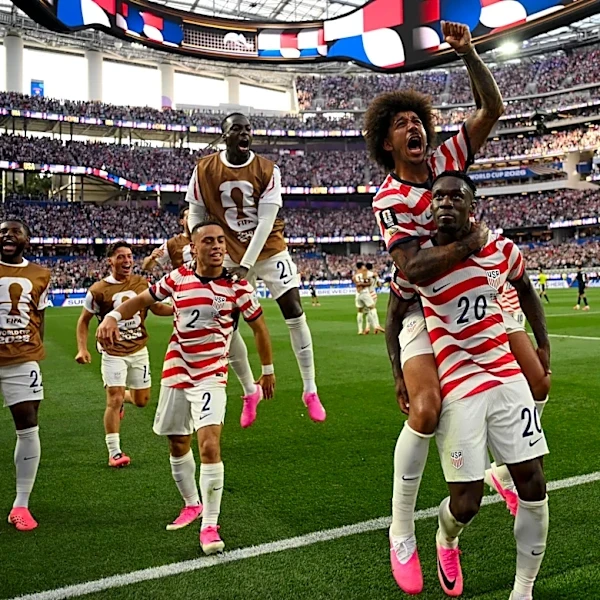
Think of a World Cup or a Copa América as the world’s biggest, most dramatic miniseries. For four weeks, bars are packed, office chatter is consumed by last-minute goals, and millions of Americans who don't typically watch soccer are suddenly experts
on offside traps. This is the 'bandwagon effect,' and it's step one. But the real magic happens after the trophy is lifted. A successful run creates a powerful emotional anchor. That casual fan who screamed at the TV during a penalty shootout is now more likely to tune into a Major League Soccer (MLS) game the next weekend, buy a jersey for their kid, or look up their local club. The tournament serves as a gateway, transforming fleeting, event-driven interest into a durable, year-round habit. It gives the domestic league a massive, pre-warmed audience to capture.
Inspiring the Next Generation of Players
There is no marketing campaign more effective than a hero. When kids see players like Christian Pulisic or Megan Rapinoe scoring on the world's biggest stage, the effect is immediate and profound. Youth soccer registrations historically see noticeable spikes following successful World Cup campaigns. The 1999 Women's World Cup victory, sealed by Brandi Chastain's iconic penalty, is the quintessential example; it fueled a generation of female athletes and cemented soccer's place for girls across the country. This isn't just about creating future fans; it's about building the talent pipeline. More kids playing means a bigger pool of potential professionals, better coaching development, and a more deeply ingrained soccer culture at the grassroots level. A national team's victory is an investment in its own future talent.
The Media and Sponsorship Gold Rush
Corporate sponsors and media executives speak the language of numbers, and nothing delivers numbers like a nation united behind its team. A deep tournament run generates massive television ratings, dominates social media, and puts soccer on the front page. This high visibility de-risks the sport for big-money players. Brands that were hesitant to invest in MLS or the NWSL suddenly see a proven audience. Media companies, seeing the astronomical viewership for World Cup matches, become more willing to pay top dollar for domestic league broadcast rights. This influx of cash is the lifeblood of a professional league. It funds better player salaries, improves stadium infrastructure, and pays for the marketing needed to keep the momentum going long after the tournament ends.
Creating Homegrown, Marketable Stars
For decades, the American sports landscape has been built on recognizable stars. Soccer has often struggled to produce athletes with the same household-name status as legends in basketball or football. International tournaments change that overnight. A goalkeeper who makes a string of heroic saves or a forward who scores a game-winning goal becomes a national celebrity. When these players return to their domestic clubs—or when their success drives interest in their European league games—they bring that newfound star power with them. This creates a virtuous cycle: the star raises the profile of their club, sells tickets and merchandise, and provides a familiar face for new fans to follow. It personalizes the sport, moving it from an abstract concept to a narrative driven by compelling characters.
The Ultimate Accelerator: Hosting the Tournament
If winning a cup is like a spark, hosting one is like pouring gasoline on the fire. The United States hosting the men's World Cup in 1994 is directly credited with the successful launch of MLS two years later. The anticipation, infrastructure investment, and sustained media focus leading up to the tournament create a multi-year runway for growth. All the factors—fan engagement, youth participation, commercial interest—are amplified. With the U.S. co-hosting the 2026 men's World Cup, the country is poised for another seismic shift. It's a deadline that forces investment and a marketing opportunity that guarantees the sport will be at the center of American culture, providing an unparalleled chance to convert that attention into a permanent, thriving soccer market.