



A Summer Camp Rebellion
The setup is deliciously absurd. Wednesday and Pugsley Addams, exiled from their gothic home to the perky, pastel nightmare of Camp Chippewa, are forced into the annual Thanksgiving play. The camp counselors, a gratingly cheerful duo named Gary and Becky,
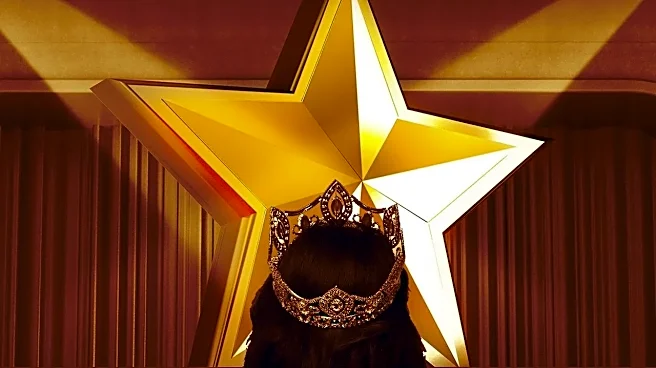
divide the children along stark visual lines: the wealthy, blonde, and conventionally attractive kids are cast as the Pilgrims. Wednesday, along with the camp’s other misfits—the kids of color, the nerdy, the kids with disabilities—are designated to play the Native Americans. From the outset, screenwriter Paul Rudnick and director Barry Sonnenfeld establish the play as a microcosm of social hierarchy. The saccharine script, meant to reenact a sanitized myth of peaceful coexistence, is the perfect stage for an Addams-style subversion.
Wednesday's Unscripted Monologue
The turning point comes when Wednesday, cast as Pocahontas, steps forward. After her brother Pugsley’s bizarre musical number as a turkey, Wednesday breaks character. She stares down the audience of WASPy parents and her pilgrim antagonist, Amanda Buckman, and delivers a monologue that torches the historical narrative. 'You have taken the land which is rightfully ours,' she begins, her deadpan delivery making the words cut deeper. She continues, forecasting a future of subjugation: 'Years from now, my people will be forced to live in mobile homes on reservations. Your people will wear cardigans and drink highballs'. It's a shocking, hilarious, and brutally honest speech that replaces the feel-good fable with a dose of historical reality.
Satire That Was Ahead of Its Time
Released in 1993, the scene was remarkably prescient. While critique of America's colonial past is more common today, 'Addams Family Values' delivered this message in a mainstream family comedy decades ago. Paul Rudnick noted that the studio gave them 'total permission' to do crazier things on the sequel, allowing for a more subversive message. The scene weaponizes the Addams Family’s core identity as proud outcasts. They don’t just reject the superficiality of the camp; they reject the false historical foundation it celebrates. Wednesday becomes a 'social justice warrior long before that became quite so fashionable', giving a voice not only to Indigenous peoples but to all the 'unpopular' kids forced to the margins. It’s a moment of cathartic wish-fulfillment for anyone who has ever felt like an outsider.
The Uprising and Its Lasting Legacy
The monologue is just the beginning. At Wednesday's command—'And for all of these reasons, I have decided to scalp you and burn your village to the ground'—the pageant descends into glorious chaos. The 'Native American' campers revolt, tying up the pilgrims and setting the cartoonish village ablaze. The camp counselors are seen being roasted on a spit, an apple stuffed in their mouths. The violence is pure slapstick, but its symbolism is powerful. It’s a literal dismantling of a whitewashed fantasy. The scene has become an iconic piece of pop culture, shared across social media every November as a corrective to the holiday's more simplistic platitudes. It taught a generation of viewers to look past the Rockwellian images of Thanksgiving and question the stories they were told.