



A Buffet Designed for Disagreement
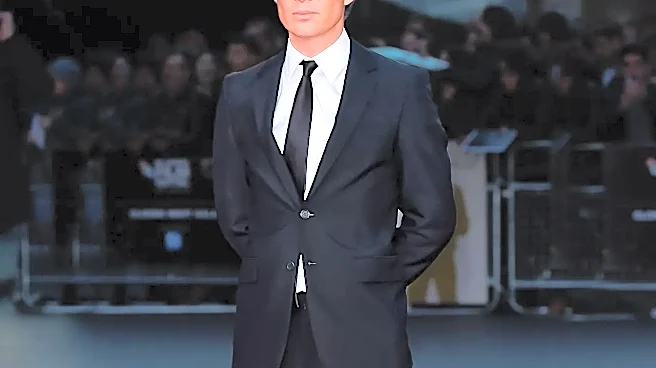
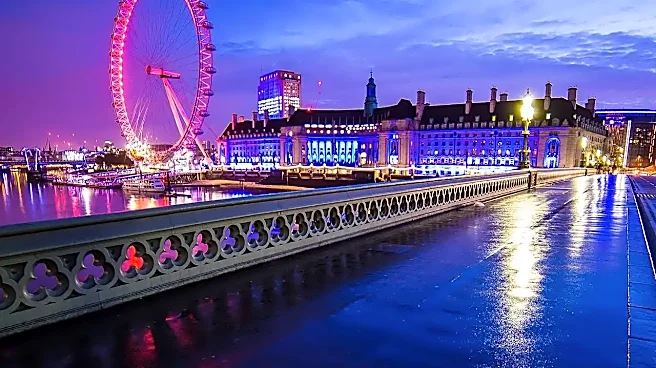
First, let's state the obvious: major festivals like the BFI London Film Festival are not programmed for consensus. Their entire purpose is to be a sprawling, diverse, and often challenging survey of global cinema. The 2026 festival, for instance, includes
251 works from 88 countries. One minute you can see a major Hollywood gala screening, the next a three-hour, dialogue-heavy Japanese drama, and then a bracing Danish documentary about a man's love for his Honda Civic. The curation is intentionally broad, spanning everything from future Oscar contenders to divisive experimental shorts. Organizers actively seek to represent a wide spectrum of voices and styles, which means your personal taste is almost guaranteed to collide with films made for a completely different palate. You and your friend aren't just choosing between two superhero movies; you're navigating a vast menu where one person’s delicacy is another's acquired taste.
The Powerful Pull of Personal Experience
Film taste is radically idiosyncratic, as a study from NYU professor Pascal Wallisch confirmed. Your reaction to a film is filtered through your own personality, memories, and even your brain's wiring for processing emotion. One person might score highly on openness and love a challenging horror film, while another who is more neurotic might gravitate toward a romance. A film about a character's illness might resonate deeply with someone who has faced a similar struggle, while leaving another viewer cold. The festival’s opening night film 'Elsinore', about actor Ian Charleson tackling 'Hamlet' while battling AIDS, is a perfect example; for some, its tale of perseverance is profoundly uplifting, while others may find the subject matter overwhelmingly tragic. You and your friend are never truly watching the same movie, because you are each bringing a different lifetime of context to your seat.
Hype, Fatigue, and the Festival Bubble
The festival environment itself is a powerful influencer. Hype is a huge factor; if you've heard for weeks that a certain film is 'the one to beat', your expectations can become so inflated that the movie itself can't possibly live up to them. Meanwhile, your friend, who went in cold, might be pleasantly surprised. Then there's simple viewing fatigue. At a festival, you might be on your third film of the day. A quiet, contemplative drama can feel slow and boring if you’ve just come from a loud, action-packed thriller. Your physical and emotional state—tired, hungry, exhilarated, or stressed—colors your perception. Research shows the festival experience is a form of escapism that encourages self-reflection but also operates as a bubble, disconnected from daily life. This heightened state makes every reaction feel more intense, turning a minor disagreement into a passionate debate.
The Social Pressure Cooker
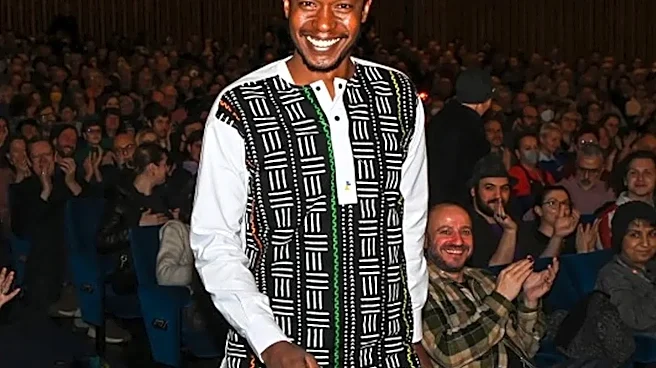
Festivals are inherently social events. You discuss what you've seen in queues, debate over drinks, and scroll through reactions on social media. This creates a subtle pressure. Sometimes, you might find yourself championing a film more forcefully simply because a friend dismissed it, turning a simple preference into a defense of your own taste. Attending a festival can foster a powerful sense of community and shared identity among attendees. That shared identity, however, also breeds a desire to define the group's taste. The post-screening debrief becomes a negotiation of that group's consensus. Arguing about the 'best' film isn't just about the film; it's about defining your own position within the social fabric of the festival. Did you discover the hidden gem, or did you fall for the over-hyped crowd-pleaser?