



The Reign of Hyper-Dewy Glass Skin
For the past several years, achieving 'glass skin' has been the undisputed goal of beauty enthusiasts everywhere. Popularized by K-beauty, the trend is defined by a complexion so dewy, luminous, and poreless that it mimics the reflective quality of a pane
of glass. It’s an ambitious look, often requiring a multi-step routine of hydrating essences, serums, and oils, all layered to create an almost wet-looking sheen. While stunning in photos, the reality of glass skin could often feel high-maintenance and, on some skin types, veer into greasy territory. It was a trend that celebrated perfection through an almost supernatural level of gloss, demanding dedication and a bathroom counter full of products.
Enter Satin Skin: The Softer Successor
Satin skin is the elegant answer to glass skin’s high-wattage shine. Instead of a wet, reflective finish, think of the subtle, lit-from-within glow of a pearl or the soft sheen of a satin fabric. This look is about creating a complexion that appears healthy, hydrated, and velvety-smooth, but with a more natural, skin-like texture. It’s not completely matte, nor is it overtly dewy. The finish is best described as 'luminous-matte'—it absorbs light as much as it reflects it, creating a soft-focus effect that blurs imperfections without masking the skin entirely. It’s a trend that prioritizes balance, aiming for skin that looks radiant and real, not artificially lacquered.
Spotted on the New York Red Carpet
At the Tribeca Festival, a hub of indie film and sophisticated style, this shift was palpable. Stars and attendees opted for complexions that felt modern and effortlessly chic. Instead of gleaming cheekbones that could be seen from space, makeup artists favored a more diffused radiance. Skin looked plump and healthy, but not slick. The tell-tale signs were there: a noticeable lack of intense, glittery highlighter and a strategic use of powder to control shine in the T-zone while allowing a natural glow to peek through on the high points of the face. The overall effect was one of polished restraint, proving that healthy skin doesn't have to scream for attention with blinding luminosity.
Why the Shift to a Softer Finish?
This move towards satin skin reflects a broader cultural shift in beauty. After years of maximalist routines and picture-perfect Instagram filters, there's a growing appetite for authenticity and ease. Satin skin feels more attainable and wearable for the everyday person. It doesn't require a flawless canvas to work; in fact, its soft-focus nature is more forgiving of texture and minor imperfections. It’s also more practical, holding up better throughout the day without needing constant touch-ups or blotting. This trend signals a move away from performative beauty and toward a look that celebrates healthy skin in its most believable, refined state. It’s beauty that works for you, not the other way around.
Your Guide to Achieving the Look
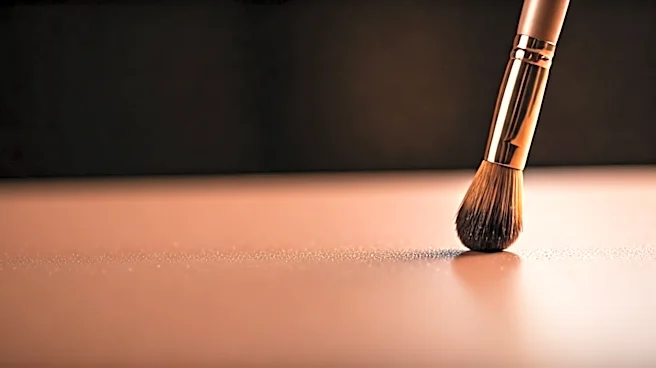
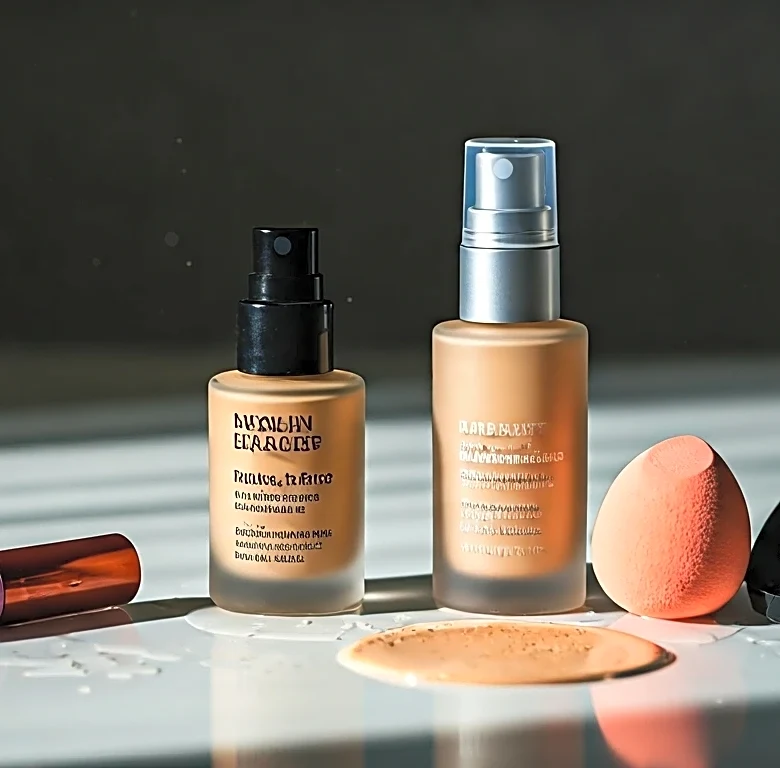
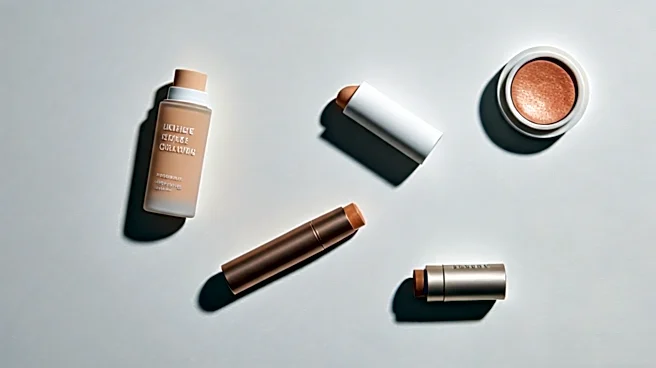
Getting the satin skin look is less about piling on products and more about smart technique. Start with well-hydrated and moisturized skin—this is non-negotiable for any glow. Next, opt for a foundation with a natural or 'satin' finish, or mix a drop of liquid illuminator into a matte foundation for a custom blend. Apply it sparingly, focusing on evening out your skin tone rather than creating a mask. Use cream-based products for blush and bronzer to maintain a seamless, skin-like texture. The final, crucial step is powder. Instead of dusting it all over, use a small, fluffy brush to selectively apply a fine, translucent powder only where you need it—typically the sides of the nose, the center of the forehead, and the chin. This simple step locks in your makeup while preserving that coveted, dimensional glow.