





The 'Pascal Effect' in Action
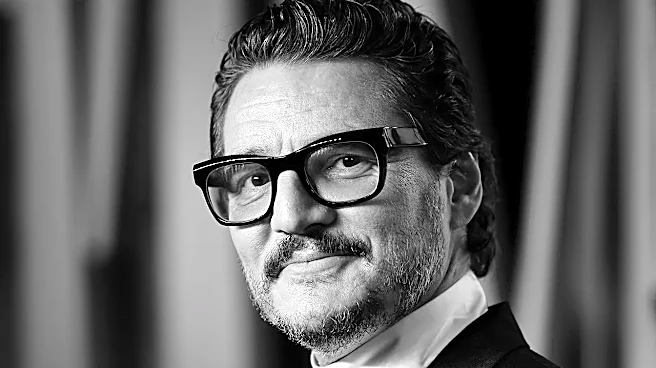
Before its premiere, HBO's "The Last of Us" was a high-stakes bet. Video game adaptations have a notoriously poisoned well at the box office and in the ratings, with only a few recent exceptions. But the conversation shifted dramatically with the casting
of Pedro Pascal as the hardened survivor Joel. The project was no longer just a genre adaptation; it was a prestige drama led by one of the most beloved actors working today. Pascal brought more than just name recognition; he brought a specific cultural currency. His roles as a reluctant but devoted father figure in both "The Mandalorian" and "The Last of Us" have solidified a unique screen persona that resonates deeply with audiences. He combines the rugged appeal of a classic leading man with a vulnerability and warmth that has made him an internet favorite. This combination de-risked the project, assuring both hardcore game fans and total newcomers that the story was in good hands.
More Than Just a Famous Face
Not all A-list talent has this transformative effect. The Pascal phenomenon isn't just about celebrity; it’s about cultural resonance. It’s a perfect storm of critical respect, massive online fandom, and broad demographic appeal. His presence signals a level of quality and creates a pre-built marketing narrative. We saw a similar dynamic with Zendaya and "Euphoria." Casting the former Disney Channel star in a gritty, adult drama about addiction was a bold choice. But Zendaya’s immense talent and credibility with a younger demographic turned the show into a cultural touchstone. She didn't just star in the series; she became its ambassador, lending her personal brand to a challenging project and making it accessible. Her two Emmy wins for the role cemented the show's prestige and demonstrated how a single, perfectly cast star can elevate a series into an award-winning phenomenon.
De-Risking the Streaming Wars
In today’s media environment, where the number of original scripted shows has exploded and is only recently beginning to contract, grabbing audience attention is harder than ever. For streamers and networks spending billions on content, a star like Pascal or Zendaya is an insurance policy. Their involvement immediately generates headlines, fuels social media buzz, and provides a focal point for marketing campaigns. Attaching a star who is not only famous but also genuinely loved and respected by critics and audiences can change a project's entire financial and cultural trajectory. It can turn what might be perceived as a niche or difficult series into a four-quadrant hit that launches a franchise or defines a network's brand for years to come.
The Blueprint for Fall TV
As networks and streamers unveil their fall slates, this strategy is more crucial than ever. The fight for viewers' time and subscription dollars is brutal. A project with a compelling premise is good, but a project with a compelling premise and a star who can single-handedly command a legion of devoted fans is a potential game-changer. It’s the difference between being another title lost in the algorithm and becoming the show everyone is talking about. The formula is clear: find a project with potential, attach an actor who embodies a specific, resonant cultural moment, and watch the conversation shift from "Should I watch this?" to "When can I watch this?" It’s a powerful tool in the arsenal of any studio looking to launch the next big thing, proving that sometimes, the right star isn’t just part of the show—they are the show.