





The Game Outside the Game
To an outsider, a 1-0 result can seem anticlimactic. But for fans steeped in the lore of the world’s game, the score is often the least important part of the story. The real contest is fought in the decades of history leading up to kickoff. The most charged
rivalries aren’t just about two teams wanting to win; they're about national identity, political disputes, cultural clashes, and regional pride playing out over 90 minutes. When a goal is scored, it’s not just a point on the board. It’s a moment of cultural catharsis, a release of tension built up over years, and a new chapter in a story that never ends. The rarity of goals makes each one feel monumental, capable of deciding not just a game, but a generation of bragging rights.
The Political Grudge Match
Nowhere is the intersection of politics and soccer more visible than in Spain's El Clásico, the clash between Real Madrid and FC Barcelona. This isn't just a game; it's a symbolic battle between Spanish centralism, represented by the royal-affiliated Real Madrid, and the Catalan independence movement embodied by Barcelona. During the Franco dictatorship, Catalan language and culture were suppressed, and the football club became a vessel for regional identity. Every match is a reenactment of this tension. An infamous 1943 cup match, which Madrid won 11-1 after Barcelona players were allegedly intimidated by state security, cemented the narrative of Madrid as the state's team and Barcelona as its victims. This history gives every tackle and every goal a political weight that transcends sport.
When History Casts a Long Shadow
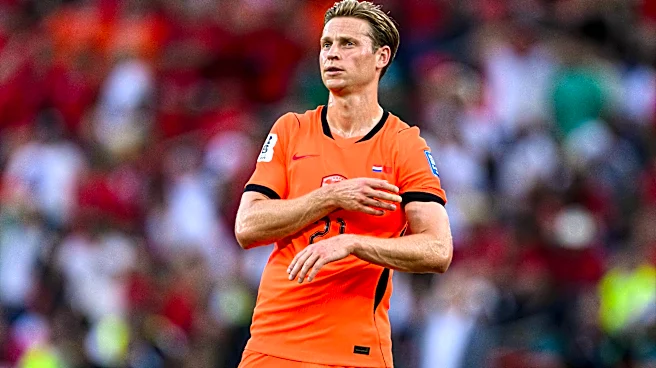
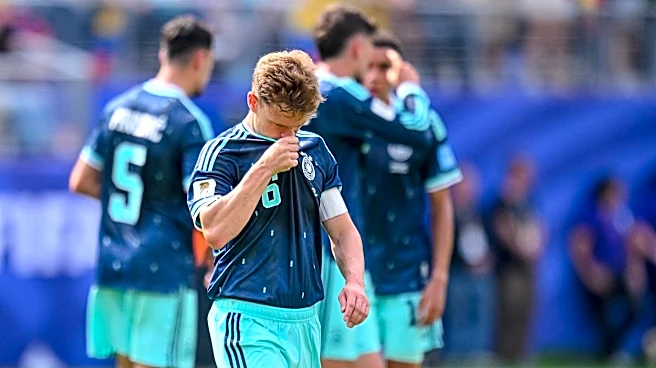
Some rivalries are haunted by the ghosts of actual wars. For the Netherlands, playing Germany is about more than just soccer; it’s layered with the trauma of World War II. The German occupation of the Netherlands left deep scars, and for decades, football was a way for the Dutch to claim a symbolic victory. The 1974 World Cup Final, which West Germany won 2-1 against a legendary Dutch team, was a national tragedy for the Netherlands. Their revenge came in the 1988 European Championship semi-final, when they defeated West Germany on German soil. The victory was celebrated with such fervor across the Netherlands that it felt like more than a game—it was a form of national vindication.
The Battle for Continental Supremacy
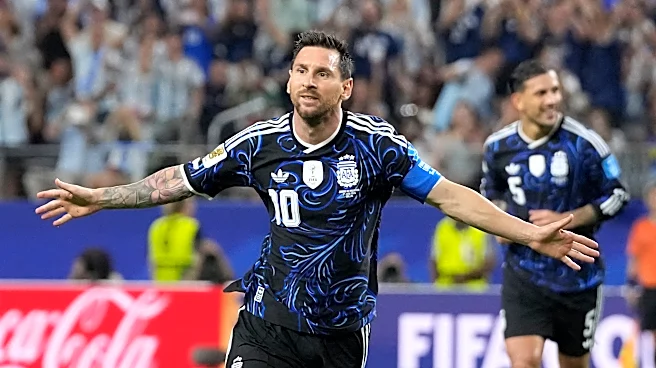
In South America, the rivalry between Brazil and Argentina is a pure footballing feud to determine the continent's undisputed king. This is the land of Pelé and Maradona, of five World Cups for Brazil and three for Argentina. The matches are often brutal, tense, and defined by moments of individual genius. It's a clash of styles and philosophies, with a head-to-head record so close it’s practically a statistical tie. They've met 110 times, with Brazil just ahead on wins. When these two nations meet, whether in a World Cup qualifier or the Copa América final, the pressure is immense because they are not just playing for a win; they are fighting for their place in football history.
The Fight for Bragging Rights Next Door
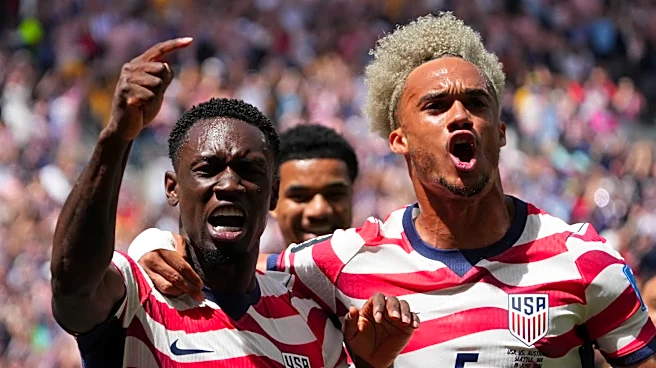
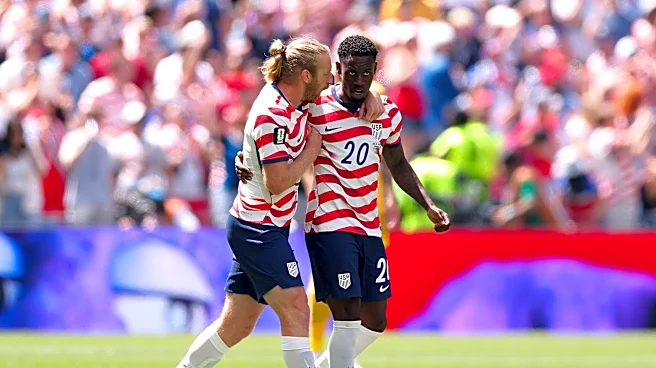
Perhaps the most relatable rivalry for American fans is the one fought across the southern border: USA vs. Mexico. For decades, Mexico dominated the series, but since the turn of the millennium, the U.S. has leveled the playing field, creating a true, bitter rivalry. Matches are defined by a unique atmosphere, where U.S. home games often feel like away matches due to the passionate support from Mexican-American fans. This adds a complex layer of identity and culture to the game. Famous clashes, like the U.S. victory in the 2002 World Cup, are landmark moments for American soccer, while every game offers a chance for both nations to assert their dominance in the CONCACAF region.