






From the Docks to the Closet
Long before it was a global fashion capital, Copenhagen was a city built on water. Its identity was forged in its bustling port, where fishermen, sailors, and dockworkers required clothing that could withstand harsh weather and hard labor. The original
Danish workwear was all about function. Garments were made from durable, dense materials like heavy cotton and wool, designed to offer protection from wind and sea spray. Think of thick, patterned fisherman's sweaters, not just for warmth, but with specific knits to increase insulation. The color palette was naturally subdued, favoring navy blues, blacks, and earthy tones that didn’t show dirt. The silhouettes were simple and unrestrictive, allowing for a full range of motion. This was not fashion; it was survival gear. Brands with deep roots in Danish and Scandinavian workwear, some dating back nearly a century, perfected these utilitarian designs, creating a foundation of quality and durability that would later be reinterpreted.
The Rise of the Bicycle Commute
Flash forward to the 20th and 21st centuries, and another functional need began to shape Copenhagen's style: the bicycle. The city evolved into one of the most bike-friendly places on earth, with cycling becoming the primary mode of transportation for a huge portion of the population. Unlike in many other countries where cycling is treated as a sport requiring lycra and specialized gear, in Copenhagen, it's simply how you get from A to B. This created a unique sartorial challenge: how to dress for a bike ride in the rain, and still look polished for the office, a cafe, or a gallery. The answer was not to change clothes, but to choose clothes that could do both. This philosophy demanded outerwear that was water-resistant but breathable, trousers with a fit that allowed for easy pedaling, and layering pieces that could adapt to changing weather. The bike commute cemented the need for clothing that was, above all, practical and versatile.
Where Function Becomes Fashion
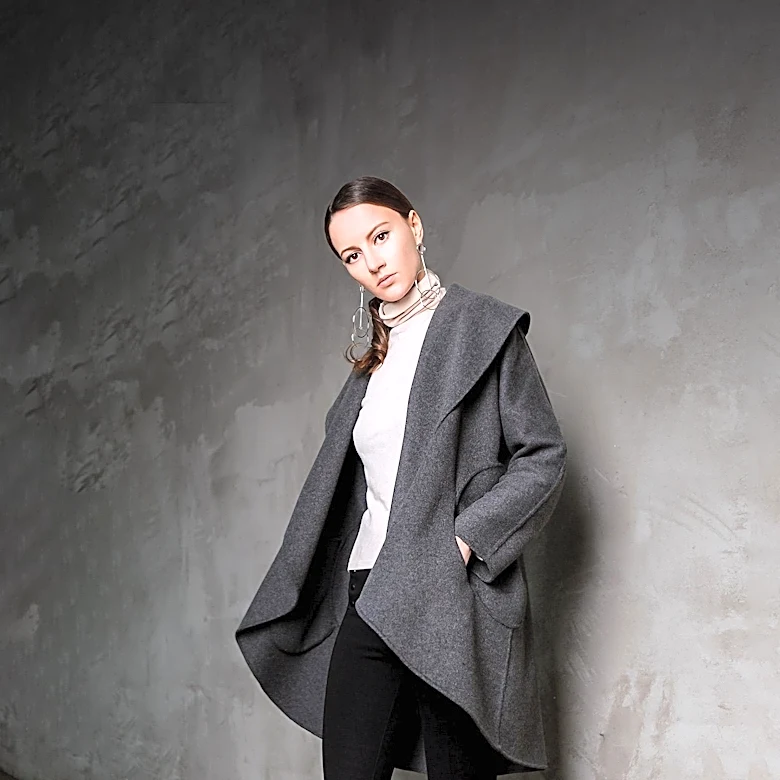
The modern Copenhagen workwear aesthetic exists at the intersection of these two histories. The rugged durability of maritime wear merged with the mobile, all-weather needs of the urban cyclist. The result is a distinct look that champions functionality. A classic chore coat, for example, has its roots in traditional work jackets but is beloved by cyclists for its deep pockets and sturdy fabric. Waterproof shells, once the domain of sailors, are now streamlined for a sophisticated urban commute. The emphasis is on high-quality, long-lasting materials that perform well and look better with age. The minimalist color scheme inherited from old work uniforms—navy, grey, black, and beige—makes for an easy, interchangeable wardrobe. It’s a style defined by what it isn't: loud, disposable, or impractical. This evolution was popularized globally by the rise of 'Cycle Chic,' a movement that started in Copenhagen and celebrated dressing stylishly on a bike.
The Core Principles of an Enduring Style
Today, designers and brands in Copenhagen continue to draw inspiration from this heritage. Brands like Mads Nørgaard explicitly reference sailor sweaters and classic workwear in their collections. The city's famed fashion week, while showcasing cutting-edge design, is still grounded in a street style defined by these practical principles. The core tenets are simple: invest in quality outerwear, prioritize natural and durable fabrics, embrace a neutral palette, and choose pieces that allow for movement and layering. It's a unisex or gender-fluid approach to dressing that values comfort and utility without ever sacrificing style. The look feels authentic because it is—it’s a direct reflection of a lifestyle centered on practicality, activity, and an appreciation for enduring design.