





Makeup as a Main Character
To understand the power of the crystal, you first have to understand that on 'Euphoria', makeup is never just makeup; it's a narrative device. Before the HBO series debuted in 2019, the dominant beauty trends, largely shaped by YouTube and Instagram influencers,
focused on a heavy, sculpted perfection—a contoured mask meant to hide flaws. 'Euphoria' shattered that mold. Head makeup artist Donni Davy introduced a concept she calls 'emotional glam,' where looks are designed to communicate a character’s internal state. The makeup isn't there to make the teens look traditionally beautiful; it's there to tell their stories, reveal their vulnerabilities, and illustrate their fantasies. Rue’s smudged, glitter tears reflect her battles with depression and addiction, while Jules’s playful, artistic designs signal her creativity and desire for freedom. Each choice is intentional, turning faces into canvases for cinematic storytelling.
The Language of the Crystal
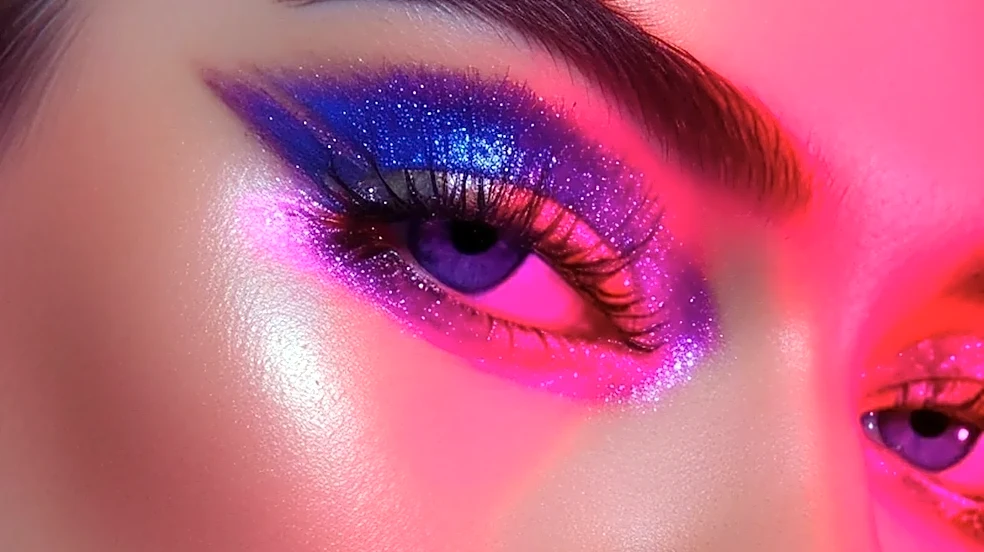
Within this new language, the rhinestone became a key part of the vocabulary. Glitter and gems aren't just for fun on 'Euphoria'; they often symbolize a fragile hope or a fractured innocence. For a character like Maddy, known for her fierce confidence and sharp, winged eyeliner, crystals serve as a kind of armor, a way of projecting the glamour and power she craves. For others, they can represent a tear, a moment of vulnerability made beautiful and visible. Davy has noted that these fantastical elements are meant to juxtapose the often brutal realities the characters face. The simple act of gluing a tiny, shimmering stone to the face became a way to wear an emotion, whether it was sadness, defiance, or a desperate wish to transcend a grim situation. It’s a small detail with immense emotional weight.
An Aesthetic Built for the Internet
The show’s visual rebellion arrived at the perfect time. Gen Z was already growing tired of the flawless, high-effort glamour that dominated social media. 'Euphoria' gave them permission to be messy, experimental, and emotional with their makeup. The crystal eye was perfectly suited for this shift. It’s visually arresting and instantly legible in a TikTok video or an Instagram post. The trend exploded online, with hashtags dedicated to recreating the looks garnering millions of views. It’s accessible enough for amateurs to try, yet striking enough to feel like a statement. While a full, intricate 'Euphoria' eye might be complex, anyone could stick on a single rhinestone and participate in the cultural moment. This low barrier to entry helped the aesthetic spread far beyond dedicated fans of the show, making it a universal symbol of a certain moody, expressive glamour.
From Screen to Sidewalk
Ultimately, the crystal became iconic because it broke rules and resonated on a deeper level. It represented a move away from makeup as a tool for correction and toward makeup as a tool for self-expression. The influence was massive, showing up not just on social media but on high-fashion runways and red carpets. Searches for 'crystal eye makeup' surged, and beauty brands quickly adapted, offering face gems and high-pigment palettes to meet the new demand. While the initial maximalist trend has since evolved into softer, more diffused versions of 'soft grunge' or 'romantic smoky' eyes, the core idea remains. 'Euphoria' didn't just create a look; it changed the 'why' behind wearing makeup for a generation. And that’s why a single, tiny crystal speaks volumes—it's a remnant of a cultural reset, a small sparkle that represents a much bigger shift in beauty.