








It Starts with the Metal Itself
The fundamental difference between platinum and white gold lies in their composition. Platinum is a naturally white metal, and jewelry made from it is typically 95% pure platinum. It’s one of the rarest precious metals on earth. White gold, on the other
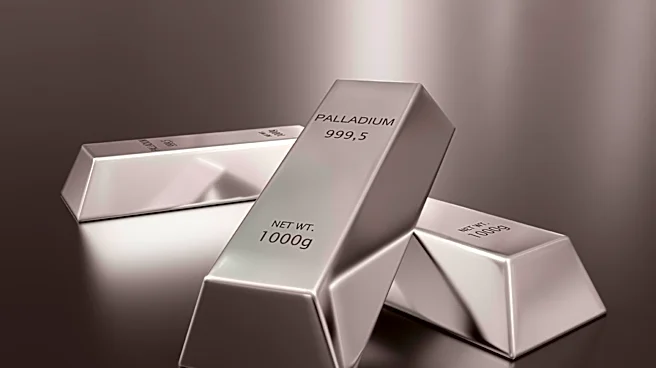
hand, does not exist in nature. It’s an alloy created by mixing pure yellow gold with white metals like palladium, silver, or nickel to give it a lighter color. This core difference—a pure, natural metal versus a man-made alloy—is the source of all the other distinctions in appearance, durability, and feel.
Color and Luster: A Tale of Two Whites
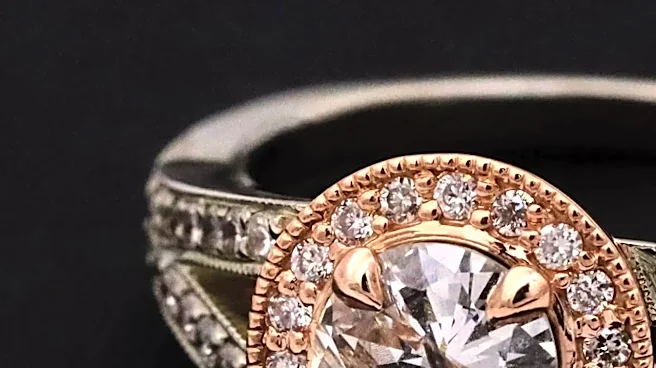
In the jewelry store, both metals boast a brilliant, silvery-white shine. But this initial similarity is deceptive. White gold’s bright finish comes from a thin coating of rhodium, another metal from the platinum family. This plating gives it a mirror-like shine. Over time, usually within 12 to 24 months, this plating wears away, revealing the slightly yellowish tint of the white gold alloy underneath. To maintain its bright white color, white gold requires re-plating. Platinum, being naturally white, never needs plating. It won't yellow or change color. Instead, over many years, it develops a soft, satin-like finish known as a patina. Some people cherish this unique aged look, while others prefer to have it polished back to a high shine.
Durability Isn't Just About Scratches
Here’s where many buyers get confused. White gold is technically “harder” than platinum, meaning it is more resistant to surface scratches. However, platinum is much denser and more durable in the long run. When white gold gets scratched, a tiny amount of the metal is lost forever. Over decades, this can cause prongs holding a stone to thin out. When platinum is scratched, the metal is merely displaced; no volume is lost. Think of it like cutting into a block of cheese versus pushing a finger into it. Platinum's density also means it holds gemstones more securely over a lifetime, making it an excellent choice for heirloom pieces meant to be worn daily.
The Sensitive Skin Factor
For those with metal allergies, this is a critical distinction. Because platinum is so pure (95%), it is naturally hypoallergenic and considered the safest choice for sensitive skin. White gold can be a different story. Many white gold alloys contain nickel, a common allergen that can cause skin irritation for a significant portion of the population. While the rhodium plating provides an initial barrier, once it wears off, the nickel can come into direct contact with the skin. If you have sensitive skin, platinum is the worry-free option.
Decoding the Price Tag: Upfront vs. Long-Term
Platinum rings are almost always more expensive than their white gold counterparts, often by 40-60%. This isn't necessarily because the raw material is more expensive per ounce—in fact, gold has often traded at a higher price. The price difference comes from three things: platinum is much denser, so more of it is needed to make the same ring; it's used in a purer form (95% vs. 58.3% for 14k gold); and it requires more skill and specialized tools to work with, increasing labor costs. However, the initial savings on a white gold ring should be weighed against the long-term maintenance cost of re-plating it every few years to keep it looking new.