




The Original Design Blueprint
Let’s start with the source material. A traditional tennis bag was, by necessity, designed to do one thing: carry a long, somewhat awkward object. Early racquet bags from the late 19th and early 20th centuries were simple canvas or leather sleeves, built
with a north-south orientation for the simple reason that a racquet is taller than it is wide. This utilitarian choice created a distinct, elegant vertical silhouette. As the sport professionalized, bags grew to accommodate multiple racquets, shoes, and apparel, but that foundational verticality remained a key part of the design language. It was a shape born from pure function.
Lost in Translation
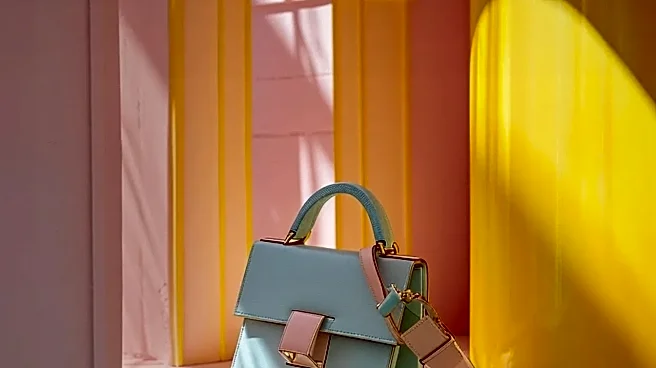
As tennis-inspired fashion moved from the court to the runway, something interesting happened. The functional soul of the racquet bag often got lost. Designers, accustomed to the east-west architecture of most totes and shoulder bags, frequently adapted the idea of a racquet bag without preserving its unique form. They would borrow materials or add a sporty stripe but place them on a conventional rectangular handbag. The result is often a stylish accessory that nods to the sport but misses the opportunity to embrace the distinctive, statuesque shape that made the original so unique.
Making the Case for Vertical
So why does going vertical matter? First, aesthetics. A tall, slim bag creates a different line against the body. It can feel more modern and architectural, standing out in a sea of slouchy totes. It has an elongating effect and an understated elegance that feels both sporty and sophisticated. But the argument isn't just about looks. Functionally, a vertical bag is surprisingly practical for modern life. Think about the items you carry every day: a water bottle, a tablet, a rolled-up sweater, an umbrella. These are all objects that fit more naturally into a taller, narrower space. Instead of piling everything horizontally, a vertical bag allows items to be stacked, often making them easier to find and access.
More Than a Gimmick
Choosing a vertical silhouette for a racquet-inspired handbag isn't just a clever gimmick; it's a thoughtful design decision. It honors the heritage of the object that inspired it, connecting the modern accessory back to the practical needs of a player. When crafted from premium materials like leather or durable canvas instead of purely technical nylon, the bag transcends its sporty origins. It becomes a piece that can move seamlessly from a weekend brunch to a creative office. It proves that the most successful design translations don't just copy surface details; they understand and reinterpret the core logic of the original, creating something new, beautiful, and genuinely useful.