





A New Uniform for a New Economy
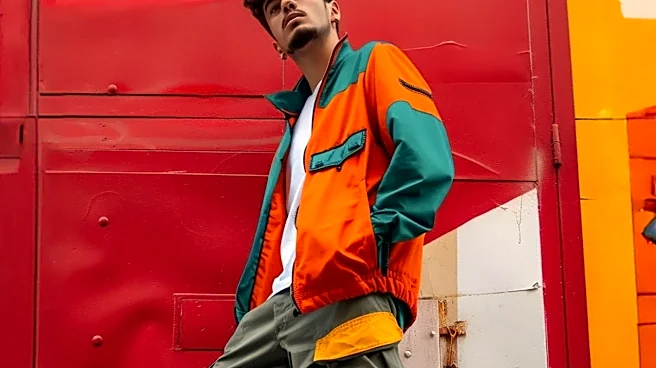
The decade began in the shadow of the 2008 financial crisis, which left a lasting psychological mark on consumers. The flashy, logo-heavy luxury of the 2000s felt out of touch. In its place grew a desire for something more grounded and authentic. Streetwear,
with its gritty roots in the skate, surf, and hip-hop scenes of the '80s and '90s, was the perfect antidote. Brands like Supreme and Stüssy had been building credibility for decades, representing a form of rebellion and community. As millennials came of age in a tougher economic climate, they gravitated toward clothing that signaled cultural fluency over inherited wealth. The hoodie and sneaker became a new kind of uniform, one that was more inclusive and, in many ways, more comfortable.
The Social Media Megaphone
Before the 2010s, fashion trends were dictated by magazines and runways. That all changed with the rise of social media. The launch of Instagram in 2010, along with the visual scrapbooking of Tumblr, gave brands a direct line to their audience for the first time. Instead of waiting for a magazine editor's approval, brands could build a following, tease new products, and create a narrative entirely on their own terms. This digital shift democratized fashion, turning everyday people into influencers and 'fit pics' into a new form of cultural currency. A kid in Ohio could see what was cool in Tokyo or New York in real-time, completely flattening the landscape of influence. Niche subcultures were no longer confined to specific cities; they were now global movements.
The Kanye and Virgil Effect
While social media provided the platform, a new breed of celebrity curator provided the spark. No two figures were more important than Kanye West and his protégé, Virgil Abloh. They didn't just wear streetwear; they lived it, preached it, and ultimately elevated it. When West collaborated with Louis Vuitton in 2009 and Abloh interned at Fendi alongside him, it was a sign of things to come. Throughout the decade, their influence was undeniable. West's Yeezy brand with Adidas created a frenzy with every release, while Abloh's Off-White blurred the lines between streetwear and luxury. Abloh's historic appointment as the artistic director of Louis Vuitton's menswear in 2018 was the ultimate coronation—the kid from the skate shop was now running the palace. They proved that cultural influence was the new power in fashion.
The Economics of Hype
The final ingredient was a new economic model based on a simple principle: manufactured scarcity. Pioneered by brands like Supreme, the "drop" model involved releasing limited quantities of new products at specific times, often weekly. This strategy transformed shopping from a simple transaction into a cultural event, with fans lining up for blocks or furiously refreshing websites. The limited supply guaranteed that items would sell out instantly, fueling a massive and lucrative resale market on platforms like StockX and Grailed. A t-shirt or sneaker was no longer just a piece of clothing; it was an asset, a tradable commodity whose value could skyrocket moments after its release. This 'hypebeast' culture turned consumers into collectors and investors, adding a layer of financial speculation that made every drop feel like a high-stakes game.