

The Sugar Rush of Spectacle
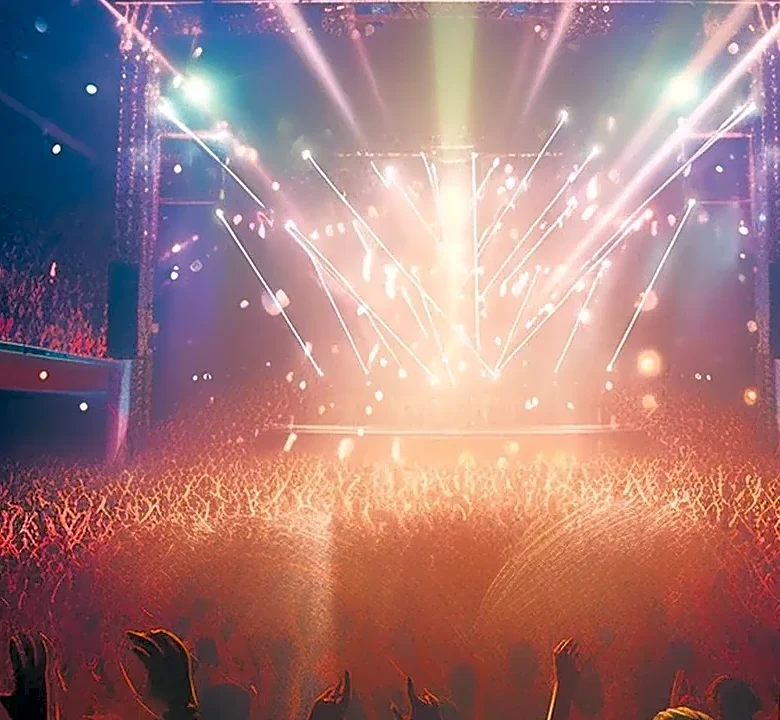
An artist bleeding out on stage, a pop-star kiss, an interrupted acceptance speech—these are the moments the VMAs were built on. They are designed for maximum impact and immediate reaction, a perfect formula for virality in the age of social media. The clips
are short, shocking, and endlessly shareable. This creates what marketers call a massive spike in attention. Viewership for awards shows, while not at the peak of decades past, can still draw millions, especially when simulcast across multiple platforms. That collective focus is a rare and valuable commodity. But the attention generated by pure spectacle is often just that—attention on the moment, not the music. It’s a sugar rush of drama that provides a temporary high but lacks nutritional value for a growing career.
From Viewer to Listener: The Great Divide
The fundamental challenge for any artist is converting a casual viewer into a dedicated listener. A viral VMA moment creates millions of viewers, but the path to converting them is fraught with friction. People share a clip of a wild antic because it's entertaining gossip, not necessarily because they're suddenly invested in the artist's discography. In today's media landscape, watching a clip on TikTok or X is a passive act. Taking the next step—opening a streaming app, searching for the artist, and listening to their music—requires active intent. That's a huge leap. Unless the viral moment is intrinsically tied to a powerful song, most viewers simply consume the clip and scroll on, the artist's actual work lost in the shuffle of the next trending topic.
When the Music Is the Moment
Of course, there are exceptions. The key difference often lies in whether the music itself is the centerpiece of the viral event. A truly transcendent performance of a new song can have a massive and lasting impact. We’ve seen how a powerful awards show performance can lead to enormous spikes in streams and sales, sometimes overnight. Think of an artist who uses their stage time not for theatrics, but to deliver a vocally stunning, emotionally resonant rendition of their song. In these cases, the virality isn't just about the spectacle; it's about the art. The clip that gets shared is of the song being performed masterfully. This is the kind of virality that directly feeds musical growth because the hook is the music itself. Viewers aren't just talking about what happened; they're talking about what they heard.
The Modern Attention Economy
Ultimately, the VMA stage is a microcosm of the modern attention economy. Virality is a tool, but it's not a strategy in itself. In an era where artists are expected to be content creators across multiple platforms, a single shocking moment is no longer enough to build a career. Long-term growth comes from consistently good music, building a community, and giving a fan base a reason to stick around long after the awards show confetti has been swept away. A viral moment is a multiplier; it can amplify existing talent and a strong body of work, but it cannot create it from thin air. It might open the door, but it's the music that has to convince people to stay.