





1. The All-Time Profitability King
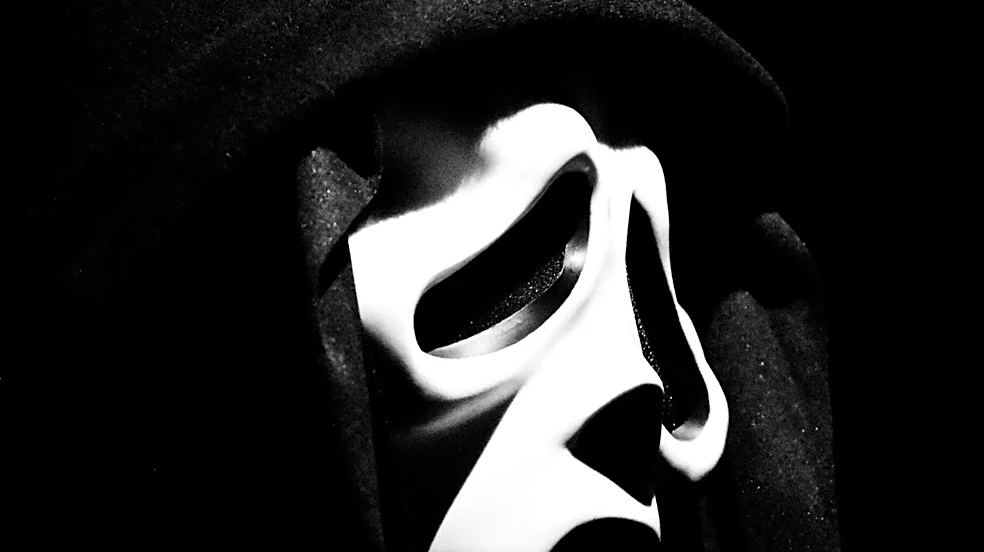
The entire 'Halloween' series, spanning over a dozen films, has grossed more than $800 million worldwide, a staggering figure for a horror franchise. But the most important number traces back to the very beginning. John Carpenter’s original 1978 masterpiece
was produced on a shoestring budget of around $325,000. It went on to earn a stunning $70 million at the global box office during its initial run. That makes it one of the most profitable independent films in history. This incredible return on investment—earning back its budget many, many times over—set the template for the slasher genre. It proved that you didn't need a blockbuster budget to achieve blockbuster returns, a philosophy that has defined the most successful entries in the series for decades to come.
2. The Power of the Legacy Reboot
By the 2010s, the franchise had gone through multiple timelines and a gritty two-film reboot from director Rob Zombie. In 2018, director David Gordon Green and production company Blumhouse took a radical approach: they ignored every single sequel and made a direct follow-up to the 1978 original. The result, also titled 'Halloween', was a box office juggernaut. Made for a lean $10 million, the film opened to a massive $76.2 million in the U.S. and ultimately grossed over $259 million worldwide. It shattered records, becoming the highest-grossing film in the franchise (unadjusted for inflation) and the biggest opening ever for a horror film with a female lead. This success demonstrated the immense financial power of nostalgia when paired with a fresh, focused vision, creating a new blueprint for reviving legacy horror.
3. The Jamie Lee Curtis Effect
While Michael Myers is the villain, Jamie Lee Curtis as Laurie Strode is the franchise's soul, and her presence is a reliable box office draw. The films in which she plays a central role are among the series' highest performers. After the original, she returned for 1998’s 'Halloween H20: 20 Years Later', which ignored the convoluted sequels of the time and grossed nearly $65 million. But her biggest impact came with the 2018 reboot trilogy. The 2018 film became the most successful in the series, and Curtis herself noted it was the 'biggest movie opening with a female lead over 55'. The sequels 'Halloween Kills' and 'Halloween Ends' also posted strong numbers, grossing over $130 million and $105 million worldwide, respectively, despite simultaneous streaming releases that likely cut into their theatrical totals. Simply put, when Laurie Strode is on the poster, audiences show up.
4. Opening Weekend Dominance
A key to 'Halloween’s' financial success is its ability to create event-level excitement, especially on opening weekend. The 2018 film's $76.2 million debut was, at the time, the second-biggest October opening in history. Its sequel, 'Halloween Kills' (2021), opened to a powerful $49.4 million, even with a day-and-date release on Peacock. The trilogy-capper, 'Halloween Ends' (2022), continued the trend with a $41.3 million opening. This pattern shows that the brand is powerful enough to draw enormous crowds immediately, a crucial factor for profitability in modern moviegoing. The franchise doesn't just trickle into theaters; it arrives with the force of Michael Myers himself, ensuring a healthy return before the second weekend even begins.
5. The Mid-Franchise Slump and Rebound
Not every trip to Haddonfield has been a financial success. The series' box office nadir came with 'Halloween 5: The Revenge of Michael Myers' (1989), which earned a meager $11.6 million worldwide, barely breaking even on its production budget. This was part of a stretch from the late 80s to the mid-90s, including 'Halloween 4' and 'Halloween: The Curse of Michael Myers', where returns were diminishing. What this slump reveals is the audience's fatigue with convoluted lore and the absence of a clear anchor like Laurie Strode. The strong rebound with 'H20' in 1998, which brought Curtis back, and the monumental success of the 2018 trilogy, prove that the franchise's value is highest when it returns to its simple, terrifying roots: a final girl, a relentless killer, and one fateful Halloween night.