
More Than a Costume, It's an Identity
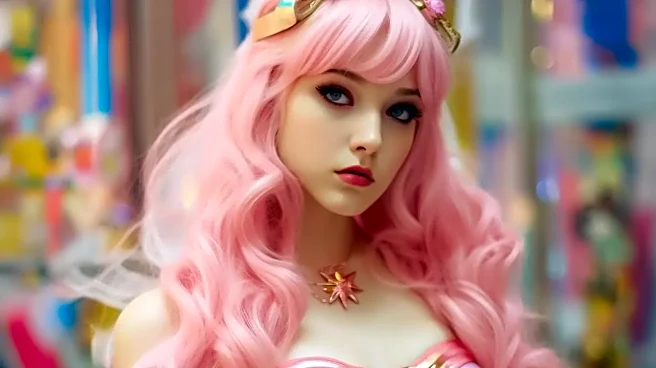
Before a single dollar is made, it starts with passion. Cosplayers spend hundreds of hours and significant sums of money to meticulously craft outfits. This isn't for a paycheck; it's an act of love for a character
or story. Psychological studies and surveys of cosplayers reveal that the motivations are deeply personal: creative fulfillment, a sense of community, and a unique form of self-expression. By embodying a character, fans explore facets of their own identity and connect with others who share their passion. This act of transforming into a hero allows them to step out of their daily lives and into a world of fantasy, if only for a weekend. It’s a powerful, personal experience that has nothing to do with corporate strategy.
Marketing That Money Can't Buy
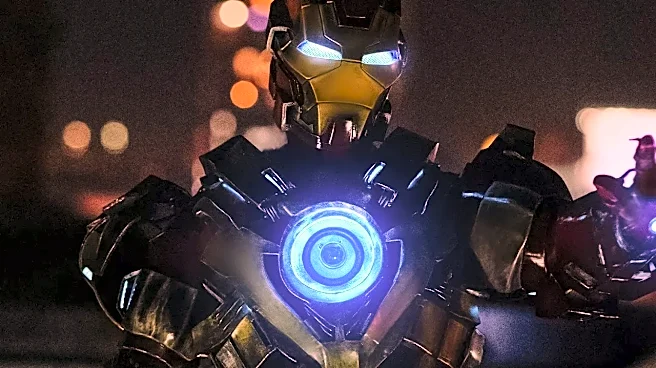
For franchises like Marvel, DC, or Star Wars, this grassroots movement is invaluable. A fan in a detailed Captain America costume, posing for photos and sharing their work online, is a walking, talking billboard—but one that feels entirely authentic. This is user-generated content in its most potent form. It carries an endorsement that a studio-placed advertisement never could because it’s driven by genuine enthusiasm. When a fan pours their heart into building a perfect replica of a Jedi's lightsaber or a superhero's armor, they are not just celebrating a brand; they are reinforcing its cultural relevance. This authenticity creates a powerful emotional connection with other fans, generating earned media that spreads far beyond the convention walls.
The Unspoken Social Contract
This delicate ecosystem works because it operates on an unspoken agreement. Brands largely tolerate and even encourage cosplay because of its immense promotional value. They might provide official photo booths or run contests, as DC has done at NYCC, subtly validating the fans' efforts. However, this support rarely crosses the line into overt commercialization. The moment a franchise tries to directly control or monetize fan cosplay in a heavy-handed way, the magic is broken. It would no longer feel like a community celebrating shared stories; it would feel like an ad. The power of cosplay-as-marketing lies in its perceived independence. As long as it remains a fan-led phenomenon, it functions as a pure expression of loyalty that reinforces the very IP it celebrates.
From Convention Floor to Viral Feed
The impact of New York Comic Con, an event that draws a quarter of a million people, isn’t confined to the Javits Center. Every costume is destined for the internet. A great cosplay will be photographed hundreds of times and shared across Instagram, TikTok, and other platforms, reaching millions of people who aren’t at the event. This digital ripple effect amplifies the marketing power exponentially. A single, brilliantly executed costume can become a viral moment, sparking conversations and renewing interest in a character or series. It’s a self-perpetuating cycle: fans create, share their creations online, inspire others, and deepen the cultural footprint of the franchise, all without any direct investment from the corporation that owns the rights.