

An All-American Icon
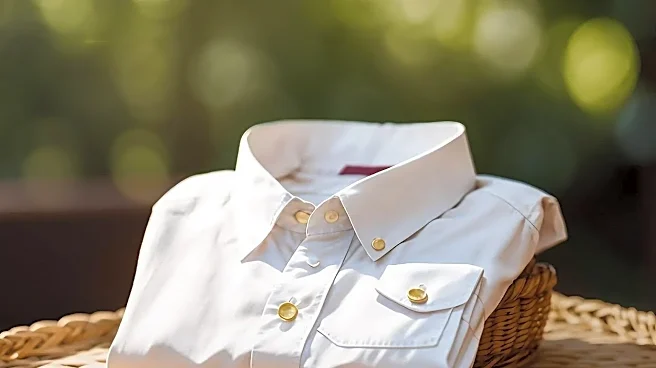
Few garments have earned their place in the menswear hall of fame like the Oxford cloth button-down, or OCBD. Born from the practical needs of English polo players who wanted to keep their collars from flapping in their faces, the style was famously brought
to America by Brooks Brothers in the late 1800s. It soon became the unofficial uniform of Ivy League campuses, Hollywood icons like Paul Newman and Steve McQueen, and presidents. Its magic lies in its versatility; the unique basket-weave texture of Oxford cloth is durable yet soft, structured enough for a blazer but casual enough for rolled-up sleeves with jeans. It’s a shirt that effortlessly bridges the gap between dressed-up and relaxed, which is why it has remained a favorite for over a century.
Looking Past the Obvious Clues
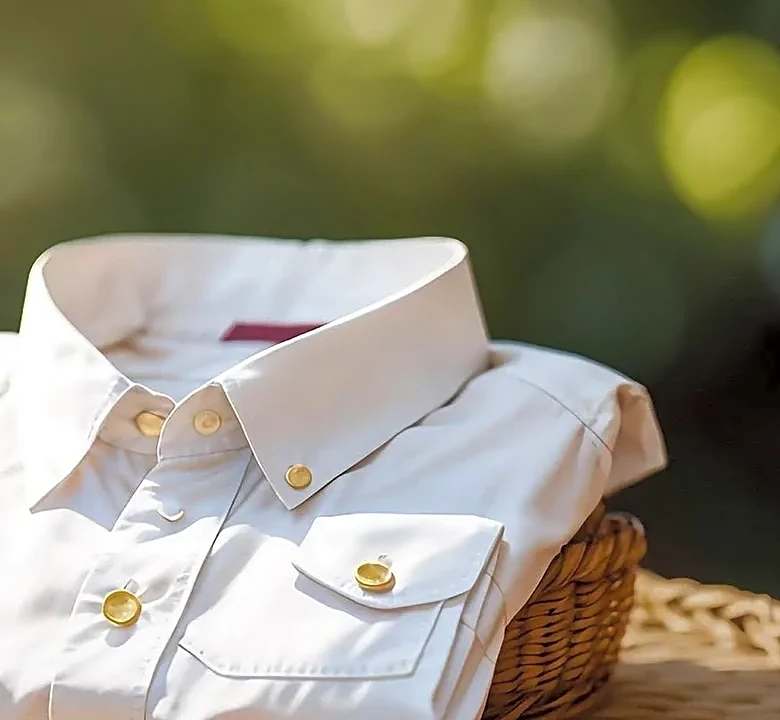
When shopping for a quality OCBD, most style-savvy guys know a few things to look for. They might check for a substantial, soft-but-sturdy feel in the Oxford cloth itself. They might inspect the buttons, knowing that mother-of-pearl buttons, with their cool touch and subtle iridescence, are a sign of luxury compared to cheap, uniform plastic ones. The truly dedicated might even look for a graceful “collar roll”—the gentle curve of the collar points when buttoned down—or check for single-needle tailoring, a stronger and cleaner stitching method used on higher-end garments. These are all valid signs of a well-made shirt. But there’s another, more subtle checkpoint that often separates the truly great from the mass-produced.
The Real Tell Is On Your Sleeve
The hidden detail that speaks volumes about an Oxford shirt's craftsmanship is the gauntlet button. Look at the sleeve. There’s a slit that runs up from the cuff, known as the sleeve placket, which allows you to easily roll up your sleeves. On a high-quality shirt, you will find a small, functional button located about halfway up this placket. This is the gauntlet button. Its purpose is simple but crucial: it keeps the placket neat and closed, preventing it from gaping open and exposing your forearm. It ensures a clean, tapered line from your cuff up your arm, maintaining the shirt’s sharp silhouette whether your sleeves are buttoned or rolled.
Why This Tiny Button Matters So Much
So, it’s just a small button. Why is it such a big deal? Because its presence is a deliberate choice that signals a manufacturer's commitment to quality over cost-cutting. Adding a functional gauntlet button requires more fabric, more precise cutting, and an extra step in the sewing process. It’s a detail that many mass-market brands skip entirely to save time and money, often replacing it with a simple, unfinished slit. The inclusion of a gauntlet button shows that the shirtmaker is honoring the traditional construction methods of classic menswear. It’s a sign that they aren't cutting corners on the small stuff, which is a strong indicator that they haven’t cut corners on the big stuff either, like the quality of the fabric, the stitching, or the overall fit.
How to Spot Quality in Seconds
Now you have an insider’s trick for your next shopping trip. When you’re evaluating an Oxford shirt, simply turn your attention to the sleeve. Ignore the price tag for a moment and examine the placket. Does it have that small, functional button sitting cleanly in the middle of the opening? Or is it just a simple, unadorned slit? A shirt without a gauntlet button isn’t necessarily a bad shirt, but its absence suggests a garment built for speed and volume rather than for longevity and thoughtful detail. The presence of that button, however, is a quiet nod to craftsmanship—a small but powerful signal that you’re holding a product made with a higher degree of care and consideration.