





When Every Moment Is Special, None Are
The core theory seems sound: more stars equals more viewers. In practice, however, it creates an emotional and narrative traffic jam. When a show packs itself with a dozen blockbuster musical numbers, 30 presenter bits, and countless montages, it’s applying
a blowtorch where a spotlight would do. Each “moment” is designed to be a viral clip, but when they’re stacked one after another for over three hours, they cancel each other out. The result is a flat line of manufactured hype. A great show, like a great film, needs pacing—peaks and valleys that let the audience breathe and invest. Overstuffing eliminates the valleys, and without them, the peaks lose all meaning. Viewers are left with a highlight reel that, ironically, has no highlights.
The Audience Attention Deficit
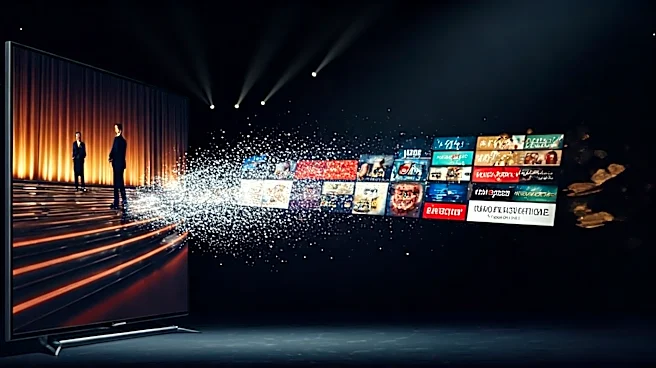
Producers are fighting a losing battle against the second screen. Today’s audience has an infinite scroll of alternatives at their fingertips. A meandering, overlong broadcast is an open invitation for viewers to check social media, switch to a streaming service, or just go to bed. The steady decline in viewership for shows like the Oscars over the past two decades isn't just about what movies are nominated; it’s a systemic shift in how people consume media. The days of a captive, monoculture audience are long gone. A three-hour-plus show is now a relic, asking for a level of sustained attention that the modern entertainment landscape no longer supports. The next morning, viewers can watch the five minutes that truly mattered—the winning speeches, the one standout performance—on YouTube, making the live broadcast itself feel redundant.
And the Award Goes To... A Rushed Pre-Show
In the scramble to fit in one more celebrity-filled sketch or anniversary performance, the actual awards often become an afterthought. At recent ceremonies like the Tonys and Grammys, dozens of categories are handed out in a non-televised or streamed pre-show. This sends a clear message: the craft being honored is less important than the spectacle used to sell it. When a writer or a sound designer’s career-defining moment is shunted off-air to make room for a musical number that doubles as a marketing opportunity, the very purpose of the event is undermined. It transforms the ceremony from a celebration of excellence into a long-form advertisement, where the awards themselves are just the inconvenient filler between star-powered commercials.
The Producer's Impossible Mandate
It’s easy to blame the producers, but they are caught in a crossfire of competing demands. The network wants ratings, which they believe come from stuffing the show with as many famous faces as possible. The Academy or guild wants to honor its members and preserve its legacy. The in-house audience of nervous nominees creates a tense atmosphere. And the at-home viewers simply want to be entertained without feeling like their time is being wasted. The bloated, everything-and-the-kitchen-sink format isn't a coherent strategy; it’s a nervous compromise. It’s an attempt to be all things to all people, which in television, as in life, usually results in satisfying no one. The relentless quest for “moments” is a symptom of a deeper anxiety that, without constant stimulation, the audience will simply disappear.