





The Edwardian Foundation of Formality
To understand Ascot, you have to start in the Edwardian era. When King Edward VII, a monarch with a passion for horse racing and high society, took the throne in 1901, he transformed the royal race meeting into the absolute pinnacle of the summer social
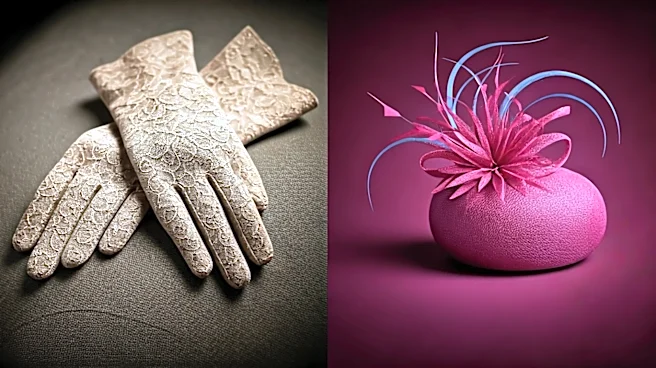
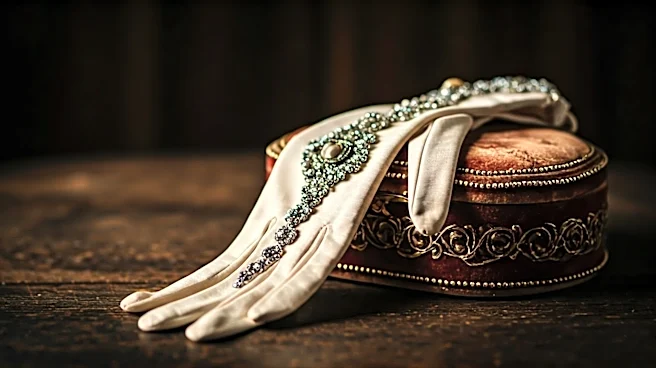
season. The dress code wasn't just a suggestion; it was a rigid reflection of one's place in society. For women, this meant floor-sweeping S-bend corsets, elaborate lace and silk dresses, and enormous, heavily decorated hats adorned with everything from ostrich feathers to entire stuffed birds. It was about displaying wealth and status. The most famous example of this era's sartorial gravity was the "Black Ascot" of 1910, when the entire racecourse went into mourning for King Edward VII, creating a somber yet stunning sea of black.
Post-War Realities and Rising Hemlines
The 20th century, with its two world wars and radical social shifts, inevitably challenged Ascot's sartorial status quo. Post-war austerity meant fabrics were rationed and ostentatious displays were frowned upon. The Dior-led "New Look" of the 1950s brought back a certain glamour, but the real test came in the 1960s. As hemlines shot up across the Western world, Ascot faced a crisis. Miniskirts were an absolute anathema to the event's organizers. In 1967, they famously enforced a rule that dresses and skirts must be "a decent length," a vaguely defined directive that highlighted the growing chasm between the stuffy establishment and the freewheeling spirit of the times. The battle for the knee had begun, and Ascot was a key front.
The Diana Effect: A Global Fashion Stage
Everything changed in the 1980s with the arrival of Diana, Princess of Wales. She single-handedly transformed Royal Ascot from a primarily British upper-crust affair into a global media event. Her every outfit was scrutinized, photographed, and broadcast around the world. From her elegant suits and wide-brimmed hats to her more playful polka-dot ensembles, Diana understood the power of fashion as communication. She managed to respect the event's traditions while infusing them with a modern, approachable glamour that captivated the public. After Diana, attending Ascot wasn't just about being seen by the right people; it was about having your picture taken by the world's press. Designers clamored to dress attendees, and the celebrity fashion stakes were raised forever.
Codifying Polish for the 21st Century
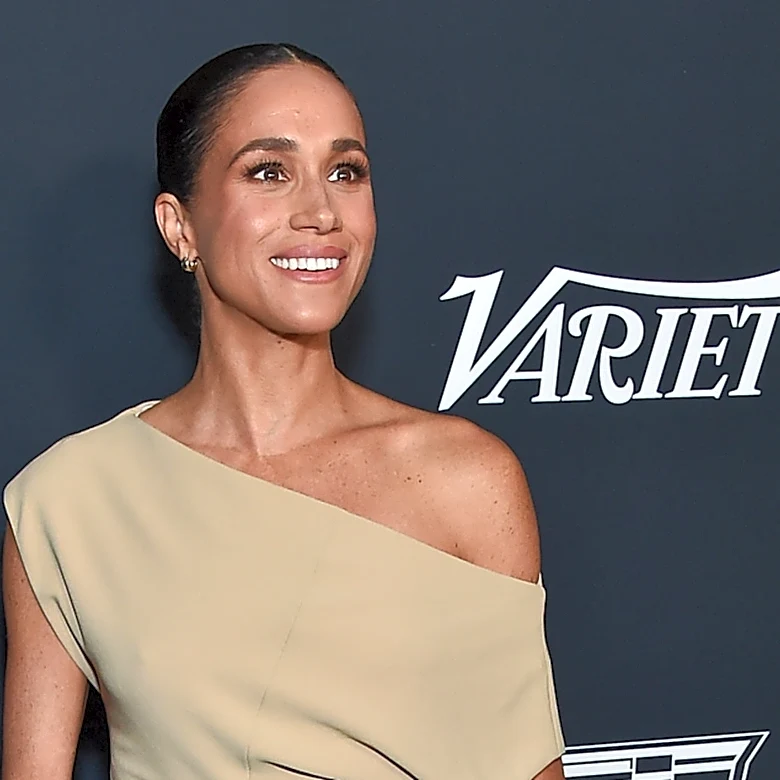
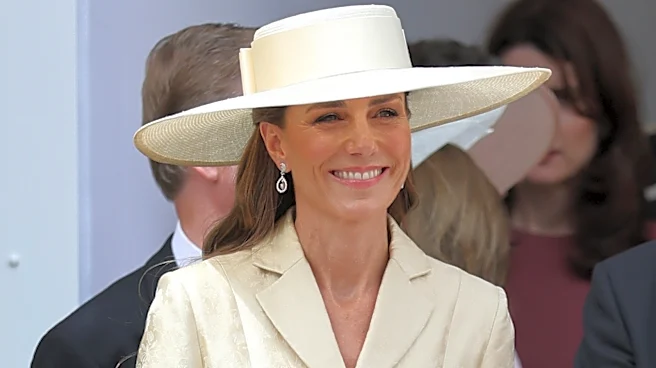
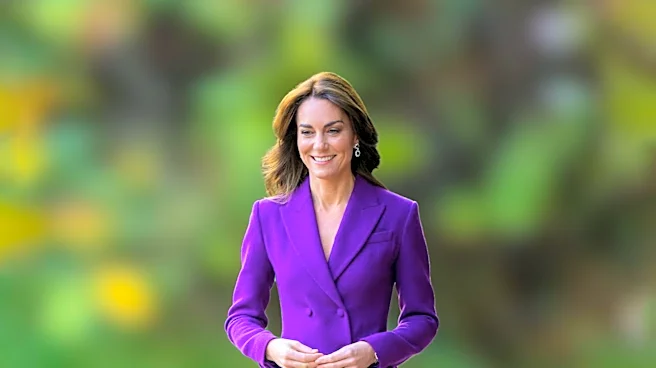
The 21st century has seen Ascot attempt to reclaim control. In response to increasingly skimpy outfits and the rise of the barely-there fascinator, organizers introduced a formal, detailed Style Guide in 2012. Straps on dresses must now be at least one inch wide, fascinators were banned from the Royal Enclosure in favor of proper hats, and midriffs must be covered. This wasn't a return to Edwardian stuffiness, but a move toward modern polish. The new generation of royals, particularly the Duchess of Cambridge (now Princess of Wales), Kate Middleton, became the embodiment of this new era. Her classic, elegant, and often re-worn outfits set a tone of sophisticated restraint. The arrival of Meghan Markle introduced a dose of modern American minimalism, further cementing Ascot's status as a platform where tradition and contemporary high fashion meet, negotiate, and create something entirely new.