


The Titan of the Silver Screen
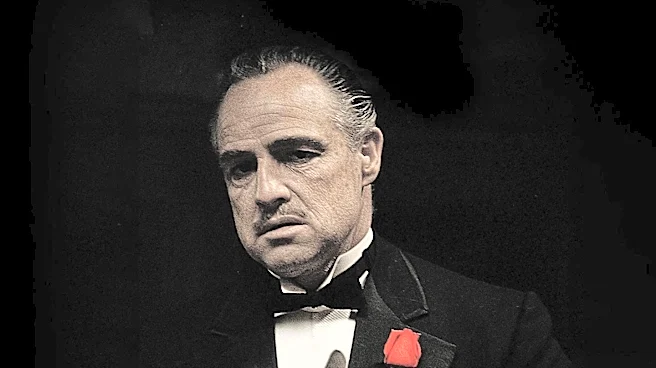
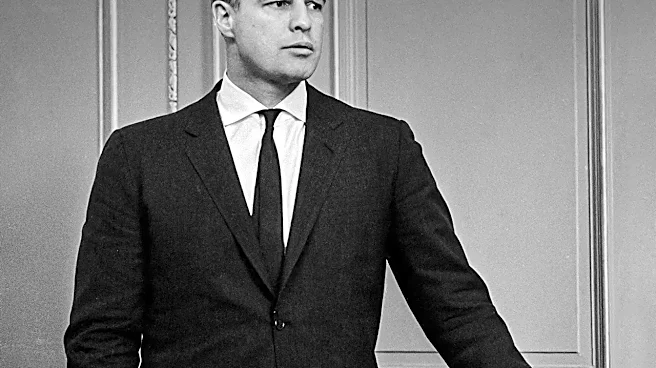
To say Marlon Brando changed acting is an understatement. With his raw, naturalistic style in films like 'A Streetcar Named Desire' and 'On the Waterfront,' he shattered the polished conventions of Hollywood. He was the brooding biker in 'The Wild One,'
the conflicted mob boss in 'The Godfather,' the terrifying embodiment of war's madness in 'Apocalypse Now'. He was, for a time, the greatest actor alive, a man whose presence defined the very medium he often professed to despise. Yet, as his fame grew, so did his eccentricity and reclusiveness. The brilliant, disciplined actor of the 1950s gave way to a man who saw his profession as a sham, famously phoning in later performances and demanding his lines be fed to him through an earpiece. This very disdain for the craft, however, set the stage for one of the strangest and most fascinating performances of his life.
A Stage on Mulholland Drive
In the early 2000s, less than two years before his death, an aging and financially strained Brando embarked on a bizarre new project. At the suggestion of his assistant to find new income streams, he decided to create and sell a series of acting masterclasses on video. Titled 'Lying for a Living,' the 10-day seminar was to be Brando's final word on the art of performance. He rented a warehouse, hired a camera crew, and invited an eclectic mix of young actors and Hollywood A-listers to participate. The roster was staggering, with attendees including Sean Penn, Whoopi Goldberg, Nick Nolte, and Edward James Olmos. Robin Williams reportedly attended every session, and figures like Leonardo DiCaprio and Michael Jackson made appearances. For the price of admission, these stars were promised a look inside the mind of a genius. What they got was pure, unfiltered chaos.
Welcome to 'Lying for a Living'
The seminar was less a class and more a piece of surrealist theater directed by Brando himself. He made his grand entrance on the first day in drag, wearing a blonde wig, a black gown, and garish makeup, before launching into a bizarre monologue and mooning the stunned audience. The sessions that followed were equally unpredictable. Brando brought in a troupe of little people to improvise with Samoan wrestlers, had students strip naked, and plucked a homeless man from a dumpster for impromptu acting lessons. The director he hired, Tony Kaye, showed up dressed as Osama bin Laden just over a year after 9/11. Yet, amid the madness, there were moments of profound insight. In one exercise, Brando brought in a real used-car salesman to try and sell a car to the famously quick-witted Robin Williams. The salesman was so relentlessly authentic that he left Williams speechless, a lesson in the power of truth that no acting class could script.
The Raw and Unfiltered Brando
The entire 'Lying for a Living' saga was captured on hundreds of hours of tape. Brando’s core philosophy, which he had shared in interviews for years, was that everyone is an actor. We perform every day, he argued, hiding our true feelings to be accepted. Acting was simply a professional version of the lies we tell to survive. The workshop was this philosophy made manifest: a chaotic, often hilarious, and deeply personal performance piece. It was Brando turning his own life, his own weirdness, and his own complex relationship with truth into a final, sprawling act. The tapes are the ultimate hidden performance, not just of an actor teaching, but of a man laying bare his own contradictions. After a power struggle with the director caused many students to walk out, the project ultimately collapsed. The recordings were locked away and, following Brando's death, their ownership passed to an estate that has vowed never to release them.