


The Myth of "I Woke Up Like This"
Before it was a product category, "French Girl Hair" was a feeling. It’s the aesthetic of icons like Brigitte Bardot and Jane Birkin: hair that looks like it has lived a life. It’s textured, a little tousled, and never looks like you spent hours on it—even if you did. For years, this ideal was more of a cultural trope than a commercial strategy. It was something to aspire to, not something you could purchase in a bottle. The look suggested a carefree confidence, an indifference to perfection that felt quintessentially French. Brands knew the allure was potent, but they struggled to connect their styling products to an aesthetic defined by its apparent lack of them.
Cannes: The Perfect Red Carpet Runway
Unlike the formal, high-glamour intensity of the Oscars, the Cannes Film Festival
offers a different kind of stage. Spanning nearly two weeks in the French Riviera, its events range from daytime photo calls by the sea to glamorous evening premieres. This unique environment—sun, sea breeze, and a more relaxed European sensibility—provided the perfect backdrop to showcase "effortless" beauty. A stiff, lacquered updo looks out of place on the Croisette; a soft, wind-swept wave looks right at home. Celebrities like Léa Seydoux, Marion Cotillard, and Eva Green became walking advertisements for this look. Their hair wasn't just 'done'; it had movement, texture, and an aspirational ease that felt both glamorous and attainable.
The L'Oréal Connection
This transformation from cultural vibe to commercial product wasn't accidental. It was engineered, largely by the festival's longtime official partner, L'Oréal Paris. For decades, the beauty giant has used Cannes as its primary global marketing platform. The sponsorship is far more than a logo on a backdrop. L'Oréal flies in an army of its top celebrity hairstylists and makeup artists, who work with the stars attending the festival. When a celebrity steps onto the red carpet with perfectly imperfect waves, the L'Oréal machine kicks into high gear. Within minutes, the brand's social media channels and press teams are distributing the 'get the look' breakdown, naming the exact L'Oréal Paris or Kérastase products used to achieve that 'effortless' style. Suddenly, the abstract ideal had a shopping list.
Selling a Feeling, Not Just a Formula
Cannes allowed brands to master the art of selling a feeling. They weren't just marketing a texturizing spray; they were marketing the fantasy of being a star on the French Riviera. The product became the tangible key to unlocking that intangible confidence. This strategy fueled the rise of entire product categories. Sea salt sprays promised beachy, post-swim texture. Dry shampoos offered second-day volume and grit. Hair oils and serums delivered shine without sacrificing that piece-y, undone quality. The marketing copy shifted from promising 'strong hold' and 'perfect curls' to offering 'lived-in texture' and 'natural movement.' The message was clear: you, too, can have hair that looks like you just stepped off a yacht in Cannes, all with the help of this one can or bottle.
The Globalization of a French Ideal
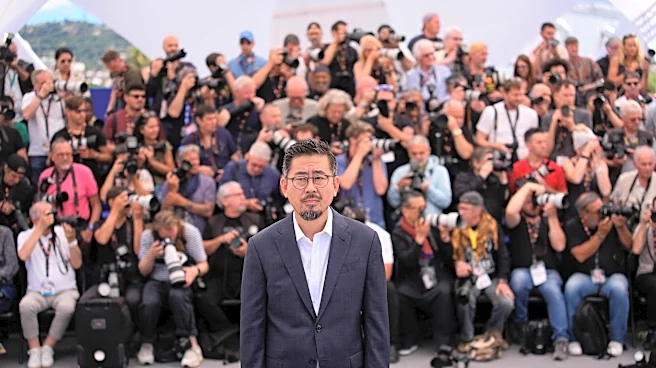
The masterstroke of the Cannes strategy was its global reach. The festival is one of the most photographed events in the world, with images blanketing magazines, websites, and social media feeds from New York to Tokyo. By codifying "French Girl Hair" on this international stage, brands successfully exported a very specific, once-niche European aesthetic and made it a global phenomenon. Consumers in the U.S. and beyond were no longer just seeing a French actress; they were seeing a look they could replicate. The festival became an annual, high-profile tutorial, teaching the world how to buy its way into one of culture’s most enduring and elusive beauty standards.