


The Foundation: It All Starts with Lace
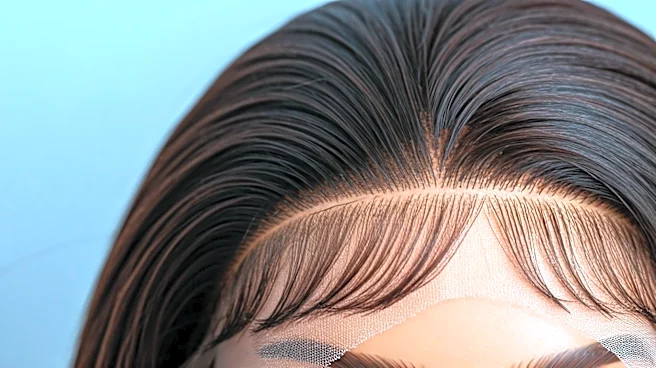
The journey to an undetectable hairstyle begins with the wig’s foundation: the lace. For red carpet events, stylists almost exclusively use lace front wigs, which feature a sheer mesh panel along the front. Individual hair strands are hand-tied to this
lace, creating the illusion that the hair is growing directly from the scalp. The quality of this lace is paramount. Many top stylists prefer “HD lace,” an ultra-thin, transparent material that is significantly less visible on the skin than older, thicker lace types. This near-invisibility is the first step in creating a look that can withstand flash photography and high-definition cameras without revealing its secrets. The goal is to create a base so seamless that it becomes a perfect canvas for the rest of the installation. [1, 5, 14]
The Art of the ‘Melt’
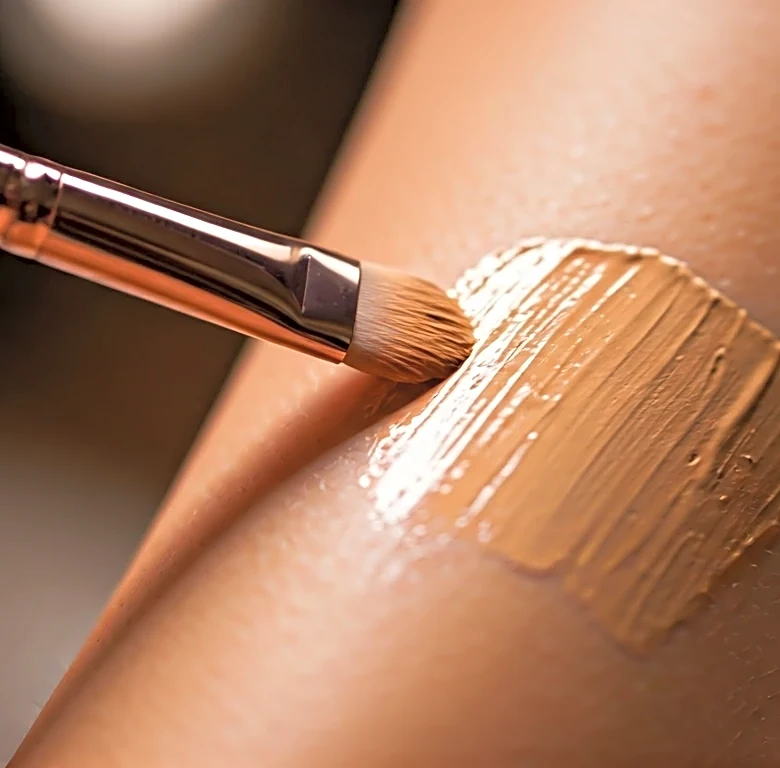
You’ll often hear stylists and wig enthusiasts talk about a lace being “melted.” This term doesn't involve actual heat in the way you might think. Instead, “melting” is the process of seamlessly blending the edge of the lace into the skin until it appears to have vanished. [1, 3] This is achieved using specialized products like strong-hold adhesive sprays or gels. [2, 7] A stylist will apply a thin layer of adhesive along the client's hairline, carefully press the lace into it, and then often tie a band around the hairline for several minutes. [2, 3] This pressure, sometimes combined with cool air from a blow dryer, helps the adhesive cure and truly fuse the lace to the skin, making the transition from skin to wig undetectable. [1, 9] Some stylists even apply a bit of foundation that matches the wearer's skin tone along the part and hairline to further camouflage the lace. [1, 4]
The Final Touch: Hairline Engineering
This is where true artistry comes into play. A wig straight out of the box rarely has a natural-looking hairline. Celebrity stylists perform what can only be described as “hairline engineering” to customize it. This involves several meticulous steps. First, they often bleach the tiny knots where the hair is tied to the lace to make them invisible. [4] Next, using tweezers, they pluck individual hairs from the wig's hairline to mimic the natural, imperfect density of a real one. A natural hairline isn’t a perfectly straight, dense line; it's softer and has variation. [6, 13] Finally, they expertly style the “baby hairs” along the very edge to soften the look and complete the illusion. This entire process is about creating controlled irregularity, ensuring the final look is flawlessly natural rather than artificially perfect. [6, 23]
More Than a Hairstyle
On a platform like the BET Awards, which for decades has celebrated Black excellence, these hair moments are more than just glamour. They are a display of incredible skill, innovation, and cultural expression. [18, 22] Wigs have a long and complex history within Black culture, evolving from symbols of status in ancient Africa to tools of protective styling and self-expression today. [8, 16, 17] The modern lace front, perfected by Black stylists, represents the pinnacle of this evolution. [5] The ability to flawlessly transform a look for a single night is a testament to the hairstylists who have pushed the boundaries of the craft, turning hair into a headlining act of its own. [21] These moments aren't just about looking good; they're about showcasing a powerful art form on one of culture's biggest nights.