
Chaos by Design
You can’t tell a linear story to 50,000 people a night when they’re all moving in different directions. That’s the fundamental challenge—and creative opportunity—of Halloween Horror Nights. Unlike a film or a TV show, there’s no way for Universal’s creative team
to ensure a guest experiences House A before Scare Zone B. A guest might start their night at the back of the park, see the “ending” of a character’s story first, and only encounter their “origin” hours later. This operational reality forces the event’s narrative to be nonlinear. Instead of a straightforward plot, the story is atomized, scattered across haunted houses, scare zones, merchandise, and even online marketing materials. This fragmentation isn't a bug; it's a core feature born of necessity. The park itself becomes a living storybook, but the pages are shuffled, and it’s up to you to put them in order.
The Lore Is a Puzzle Box
Instead of feeding you a simple plot, HHN gives you a puzzle box. Each original house and scare zone is a piece of a much larger, often multi-year mythology. A symbol on a wall in one house might reference a character from a scare zone five years prior. A seemingly random prop could be the key to understanding an Icon’s motivation. This approach transforms a passive viewing experience into an active treasure hunt for dedicated fans. The story isn't just what happens in front of you; it’s in the environmental details, the costumes, and the seemingly throwaway lines uttered by scareactors. This creates two distinct ways to enjoy the event: you can simply walk through and appreciate the surface-level scares, or you can dig deeper, connecting the dots and uncovering a hidden layer of narrative that makes the world feel richer and more cohesive.
An Icon in Fragments: The Case of Dr. Oddfellow
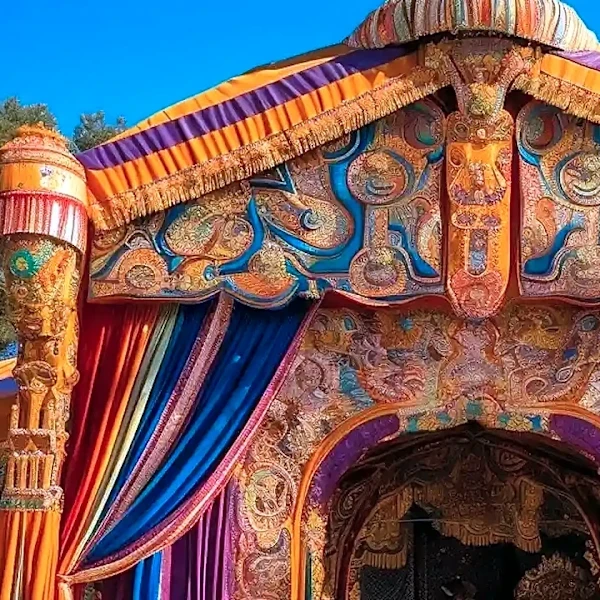
To understand how this works in practice, look at a character like Dr. Oddfellow. First introduced in 2000 as the sinister circus owner who employed and murdered Jack Schmidt (before he became the infamous Jack the Clown), Oddfellow was a background figure for years. His story was told in fragments: a name here, a circus reference there. Then, at a more recent event, he took center stage. His own haunted house showed his obsession with immortality and the sacrificial rituals he performed using the signs of the Zodiac. The scare zones, meanwhile, acted as extensions of his traveling carnival, showcasing other performers and dark bargains. A guest who experienced his house might see him as a straightforward villain. But a long-time fan would see the culmination of a story seeded over two decades, connecting his actions back to the origins of the event's most famous Icon, Jack the Clown. His full story wasn't told in one night; it was assembled over 20 years.
The Community as Co-Author
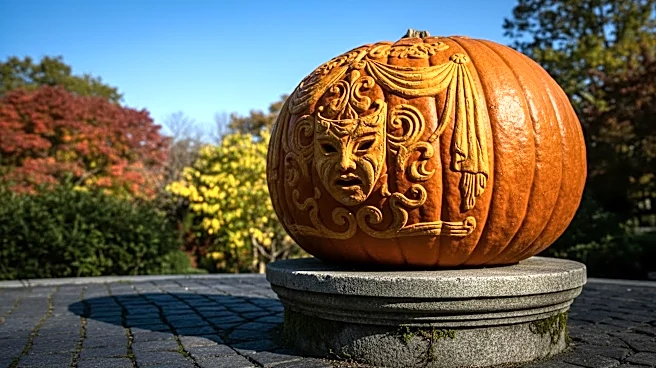
This nonlinear method has a powerful side effect: it builds an incredibly passionate and engaged fan community. When the official story is a collection of puzzle pieces, fans inevitably gather to solve it together. Online forums, podcasts, and social media channels are filled with fans sharing clues, debating theories, and compiling timelines that are often more detailed than any official source. Universal’s creative team is well aware of this, and they lean into it, sometimes leaving threads deliberately ambiguous to fuel speculation. They even adopt fan-created elements, like the unofficial pumpkin mascot 'Lil' Boo,' who went from a fan observation to an official character with merchandise. In this ecosystem, the lore isn't just handed down from the creators; it's co-authored by a community of decoders who find joy in solving the narrative puzzle. The fragmented story doesn't just make the event more interesting—it makes it a shared cultural hobby.