



The Effortless Ideal of a Bygone Era
Picture it: Centre Court, sometime in the 1950s. The spectators are a vision of understated elegance in floral dresses and tailored suits. The players, like Althea Gibson or Maureen Connolly, are paragons of athletic grace in pleated skirts, cinched waists,
and crisp collars. There’s a palpable sense of glamour, but it’s an effortless kind. The lipstick is perfect, the hair is coiffed, and there's no visible sign of sweat, smudged makeup, or sun-induced panic. This is the reference point lodged in our collective style consciousness—a flawless, unruffled beauty that seems to exist outside the practicalities of heat and sun exposure. In this archived fantasy, sun protection was an afterthought, consisting of little more than a chic visor or, for spectators, a wide-brimmed hat. Tanning itself was a symbol of leisure, and the lotions of the day were designed to encourage a tan, offering minimal SPF.
The Unforgiving Mandate of Modern Suncare
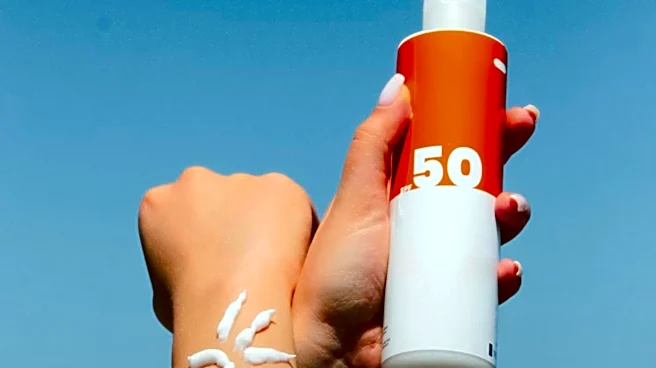
Fast-forward to today, where our relationship with the sun is governed by science, not style. We are armed with the knowledge of UVA and UVB rays, the long-term risks of photoaging, and the non-negotiable commandment to reapply sunscreen every two hours. Dermatologists constantly remind us that even sitting near a window exposes us to damaging rays. This has created a new, unavoidable anxiety. That initial morning application of SPF 50, so carefully layered under primer and foundation, is merely a starting point. Its effectiveness diminishes as it’s absorbed, rubbed off, or simply broken down by daylight. To fail to reapply is to knowingly invite sun damage. This modern mandate crashes directly into the 1950s ideal. We want the archival elegance, but we are bound by contemporary health imperatives that the women in those photos never had to consider.
The Messy Reality of Reapplication
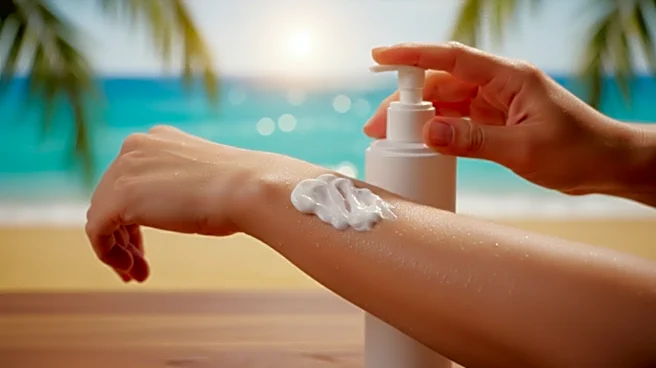
This is why the debate rages on. It’s a practical problem born from a cultural clash. How do you add a fresh layer of sun protection without completely destroying a carefully applied face of makeup? The options are fraught with compromise. SPF mists and setting sprays offer a touch-free application but raise concerns about even coverage; a quick, sparse spritz likely isn't providing the advertised protection. SPF powders are brilliant for mattifying shine but can look cakey and make it difficult to apply enough product to achieve meaningful UV protection. Sunscreen sticks are portable and precise but risk dragging or smearing the makeup underneath if not applied gently. A newer technique involves patting liquid sunscreen over makeup with a damp beauty sponge, which can work but requires patience and a delicate touch to avoid lifting your foundation. Each method is an attempt to solve an impossible equation: add a wet or dry layer over existing layers without creating a mess.
Chasing a Flawless, Filtered Past
Ultimately, the obsession with perfecting SPF reapplication is not just about preventing sunburn. It’s about chasing an impossible ideal. We are trying to achieve the 1950s aesthetic of effortless beauty while adhering to the stringent scientific standards of the 2020s. We want to look as poised and unbothered as a spectator at Wimbledon in 1957, while simultaneously managing a complex routine of defensive skincare. The endless cycle of product innovation and technique debates is a direct result of this tension. The beauty industry keeps offering solutions because we keep demanding a way to reconcile the vintage fantasy of glamour with the modern reality of skin health. We want to believe there is a single product that will let us have both, allowing us to maintain a flawless façade without sacrificing our very real, very contemporary understanding of what the sun does to our skin.