





The Tyranny of the Schedule
Let’s be honest. The moment you enter the gates to The Farm, you’re waging a war against time and distance. Your carefully curated plan to see the end of a set at the What Stage and sprint a mile to catch the beginning of another at This Tent seems brilliant
on paper. In the sweltering Tennessee sun, it’s a recipe for exhaustion. This is the paradox of the modern music festival: an event designed for liberation becomes a frantic, box-checking exercise. The fear of missing out (FOMO) is so powerful that it can actually make you miss the entire point. You see the bands, but you don’t experience the festival. You’re so focused on the next destination that you become blind to the journey. By Sunday afternoon, you’re not radiating good vibes; you’re a sunburnt, dehydrated husk, counting the minutes until you can collapse in an air-conditioned car, wondering if the fun you were supposed to have got lost somewhere between stages.
Discovering Magic in the Margins
The true, enduring magic of Bonnaroo doesn’t happen on a fixed schedule. It lives in the liminal spaces—the unstructured moments between the big-name acts. It’s the impromptu jam session you stumble upon in the campground at 2 a.m. It’s the bizarre, delightful art car that appears out of nowhere, blasting a song you’ve never heard. It’s the deep conversation you have with a stranger from Ohio while waiting in line for a spicy pie, a conversation that reminds you why you came here in the first place. These moments can't be planned. They can’t be put on a spreadsheet. They require something most of us have forgotten how to give ourselves: permission to be aimless. By scheduling “nothing,” you are actually scheduling “anything.” You’re creating a vacuum that the universe of The Farm will happily fill with weirdness, wonder, and human connection. This is where your best stories will come from—not from the headliner’s encore you could watch on YouTube, but from the unscripted adventure you had getting lost on the way there.
How to Actually Schedule 'Nothing'
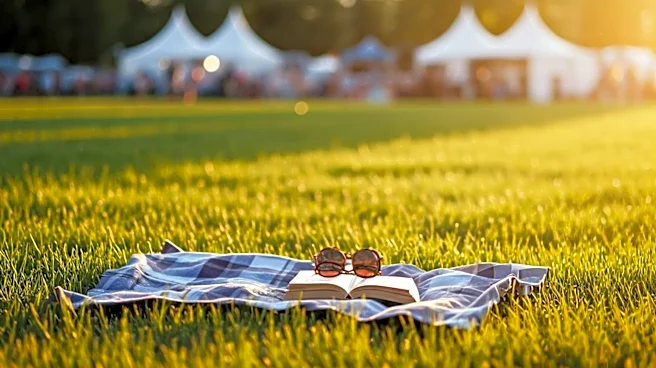
This isn't about being lazy; it's about being strategic. The key is to be intentional with your downtime. First, when you’re building your schedule, physically block out a 90-minute to two-hour window each day. Label it “Wander” or “Get Lost.” Treat this block with the same respect as a headliner’s set. Second, commit to the plan. When that time slot arrives, put your phone away. Don’t look at the app. Don't check the time. Your only goal is to walk without a destination. Head toward a part of the festival grounds you’ve never seen. Follow a sound that intrigues you. Sit under a tree and just people-watch. Maybe you’ll discover the silent disco, find a cool vendor in the market, or just enjoy a precious moment of shade and quiet. The point isn’t to find something specific; it's to release yourself from the obligation of looking for it. Let serendipity be your guide.
Redefining a 'Successful' Festival
For years, the metric for a successful festival trip has been a quantitative one: “How many bands did you see?” It’s time for a qualitative shift. Instead of a checklist of artists, think of your Bonnaroo goals in terms of experiences. Did you connect with your friends? Did you discover something unexpected? Did you leave feeling recharged and inspired, not just drained? Building in downtime is the single best way to achieve this. It prevents the burnout that turns the final day into a slog. It prioritizes your well-being, ensuring you have the physical and mental energy to truly appreciate the music when you are at a show. A great festival experience is a balanced one. It’s a mix of earth-shattering main stage performances and quiet, personal discoveries. You need both. The big moments are the skeleton, but the unplanned moments in between are the soul.