




A Game of Flow, Abruptly Halted
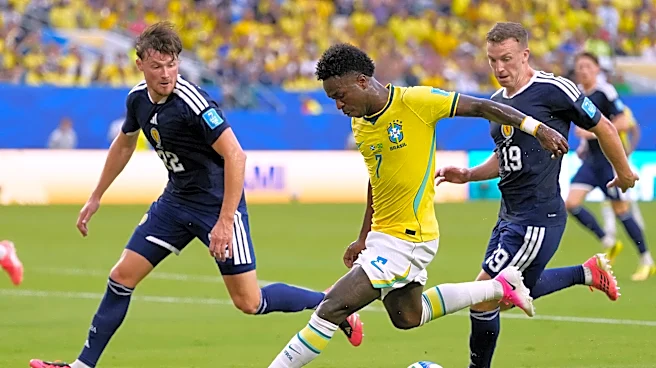
Unlike the clock-stopping, set-piece nature of American football or basketball, soccer thrives on fluidity. For 120 minutes, two teams engage in a grueling, tactical ballet. There are no timeouts to draw up a final play, no guaranteed last-second heave.
This is why, for many U.S. viewers, the end of a tied match can feel anticlimactic. And yet, after all that running, when two sides still can’t be separated, the game transforms. It discards its team-based identity and morphs into a series of isolated, one-on-one duels. The penalty shootout is a jarring shift, often criticized for being a departure from the spirit of the game, like settling a chess match with an arm-wrestling contest. But it’s this very departure that creates its unique, gut-wrenching tension.
The Longest Walk in Sports
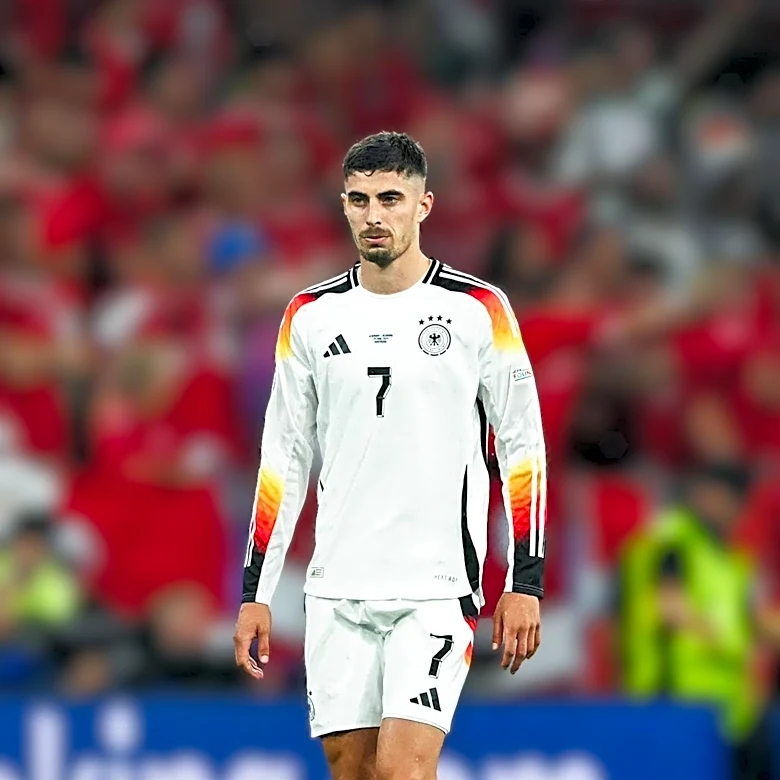
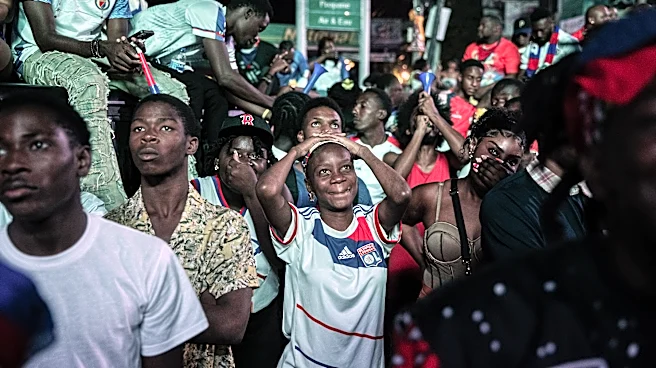
The spectacle begins with what’s often called the longest walk in sports. A player, chosen from those still on the field, leaves his teammates at the center circle and walks, alone, to the penalty spot 12 yards from the goal. For those few seconds, the weight of a two-hour battle, a nation's hopes, and his own legacy settles on his shoulders. The crowd hums, a mix of desperate prayers from one side and jeers from the other. This walk isolates a single athlete in a way that’s almost cruel, stripping the game down to its rawest essence: one kicker, one goalkeeper, one shot. It’s a moment so thick with pressure that the very act of walking feels like a monumental task.
A Psychological Battlefield
A penalty shootout is less a test of skill and more a battle of minds. Physiologically, the body enters a state of fight-or-flight; heart rates spike, muscles tense, and fine motor control becomes compromised. This is why world-class players, who can strike a ball with pinpoint accuracy in open play, sometimes miss the target completely. Research shows players face intense psychological pressure, with success rates dropping significantly from in-game penalties to shootout scenarios. The fear of losing often feels stronger than the hope of winning. A player who must score to prevent defeat converts less than 60% of the time, but a player taking a kick to win the match outright succeeds over 90% of the time. It’s a brutal illustration of loss aversion, where the shootout becomes a test of who can best manage their fear.
Soccer's Walk-Off Home Run
This is where the shootout becomes soccer’s answer to the final play. Like a walk-off home run in baseball or a buzzer-beater in basketball, the entire outcome of the contest is distilled into a single, dramatic event. The key difference, and what arguably makes it even more agonizing, is that it’s not just one play. It’s a series of them, a slow-motion cascade of five individual dramas. Each kick carries the potential for immediate, game-ending glory or failure. Teams that shoot first have a statistical advantage, winning about 60% of the time, because of the mounting pressure on the team that is always playing catch-up. This sustained tension, spread across multiple players and moments, creates a unique form of collective drama that is both thrilling and torturous to watch.
Where Legacies Are Made (and Broken)
Ultimately, the penalty shootout is a crucible where careers are defined. In the 1994 World Cup final, Italian superstar Roberto Baggio, who had carried his team to that point, famously skied his penalty, handing the trophy to Brazil. Inversely, Italy found redemption in the 2006 final, winning on penalties after France’s David Trezeguet hit the crossbar. These moments are unforgettable. They are what fans remember for decades, the single frames that encapsulate the ecstasy of victory and the despair of defeat. While some argue it's a lottery, the evidence points to a test of mental fortitude, where technique is secondary to nerve. It’s a flawed, dramatic, and unforgettable system—the perfect, imperfect ending for the world’s most popular sport.